
Now Reading: Mumbai Indians Crown IPL’s Most Valuable Franchise at $2.1 Billion
-
01
Mumbai Indians Crown IPL’s Most Valuable Franchise at $2.1 Billion


The IPL money race has a new headline. Mumbai Indians now sit on top of the league’s valuation table at $2.1 billion, according to Sportico. Every franchise has crossed $1.5 billion, and the average team is worth $1.7 billion. From a $724 million launch to this, the growth is staggering.
Mumbai Indians Lead the IPL Valuation Table
Mumbai Indians are the league’s most valuable franchise, with an enterprise valuation of $2.1 billion. Chennai Super Kings follow at $1.75 billion, while Kolkata Knight Riders are valued at $1.73 billion.
Delhi Capitals complete the leading group at $1.70 billion. The gap between the top and the rest is real, but the whole league is packed tightly at the top end.
| Franchise | Valuation (USD) |
|---|---|
| Mumbai Indians | $2.1 billion |
| Royal Challengers Bengaluru (Sportico value) | $1.85 billion |
| Chennai Super Kings | $1.75 billion |
| Kolkata Knight Riders | $1.73 billion |
| Delhi Capitals | $1.70 billion |
| League average | $1.7 billion |
RCB and Rajasthan Royals Change Hands
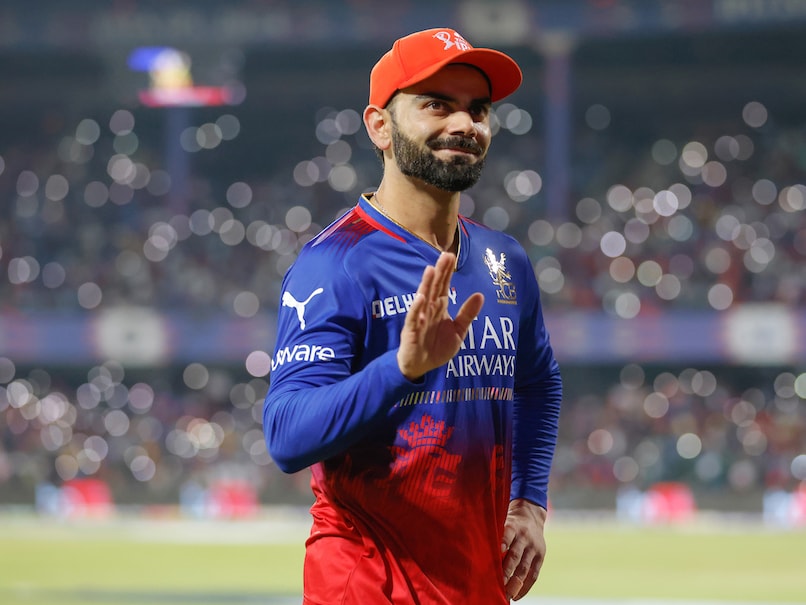
Ownership has been a major storyline this year. A consortium involving Blackstone, Bolt Ventures, Aditya Birla Group and Times of India Group acquired Royal Challengers Bengaluru for $1.78 billion in March.
The deal includes the men’s IPL franchise and its Women’s Premier League team. Sportico values RCB at $1.85 billion.
Rajasthan Royals Land a New Owner
Two months later, a consortium led by Lakshmi Mittal, with Adar Poonawalla also involved, acquired Rajasthan Royals for roughly $1.65 billion. That is a huge leap for a team that went for $67 million in 2008.
From $724 Million to Billions
The IPL launched in 2008 as an eight-team competition. The original franchises were sold for a combined $724 million, with bids ranging from $67 million for Rajasthan Royals to $112 million for Mumbai Indians.
Current valuations are up nearly 1,800% from the average franchise value in 2008. Limited availability has fuelled investor demand, with no further expansion in sight.
Stake Sales on the Horizon
Lucknow Super Giants are reportedly exploring a 15% to 20% stake sale at an enterprise valuation of $1.5 billion to $2 billion. Kolkata Knight Riders are also reportedly seeking a buyer for a 20% stake at a $1.8 billion valuation.
The Centralized Revenue Model Behind the Boom
Around 75% of franchise revenue comes from central distributions managed by the BCCI. The model rests on the board’s five-year, $6.2 billion broadcast-rights package for 2023-27, signed in 2022.
After production costs, the BCCI retains half of the media-rights fees. It then distributes about 90% of the remainder, plus other league-level earnings, equally among the 10 franchises. The final 10% is allocated based on performance.
Steady Income, No Relegation
Central payments give each team roughly $50 million to $55 million a year. With no relegation, those payments are recurring and dependable. Teams also earn from ticket sales and sponsorships.
Sportico estimates average franchise revenue hit $74.4 million in the 2026 season.
Why Investors Love the IPL Multiple
The IPL’s average revenue multiple is 22.9, the highest among major global sports leagues. Its multiples sit in a narrow band of 22 to 24.
| League | Revenue Multiple |
|---|---|
| IPL | 22.9 |
| NBA | 14.6 |
| NFL | 12.7 |
Costs are also controlled. The player salary cap was about $16 million for 2026, and franchises avoid major capital spending by playing at state-owned and operated venues.
Media Rights Renewal and Room to Grow
Investors are betting on audience and broadcast growth. The IPL drew 1.2 billion unique viewers across linear and digital platforms in the 2026 season.
The BCCI could expand the schedule from 74 to 94 matches for the broadcast cycle beginning in 2028, a proposal reportedly considered before. There is also room to grow broadcast revenue outside India.
Lalit Modi’s Prediction Looks Spot On
IPL founder and first commissioner Lalit Modi predicted this trajectory after the inaugural season. I’m no financial analyst, but given the huge success of the league, and its future potential, I would venture to say that franchisees bought assets that were heavily underpriced,
Modi said at the time.
Nearly two decades on, the numbers back him up. With Mumbai Indians leading the pack and fresh money flowing in, the IPL’s value story shows no sign of slowing.