
Now Reading: South Africa hit by another seamer injury blow before Australia ODIs
-
01
South Africa hit by another seamer injury blow before Australia ODIs


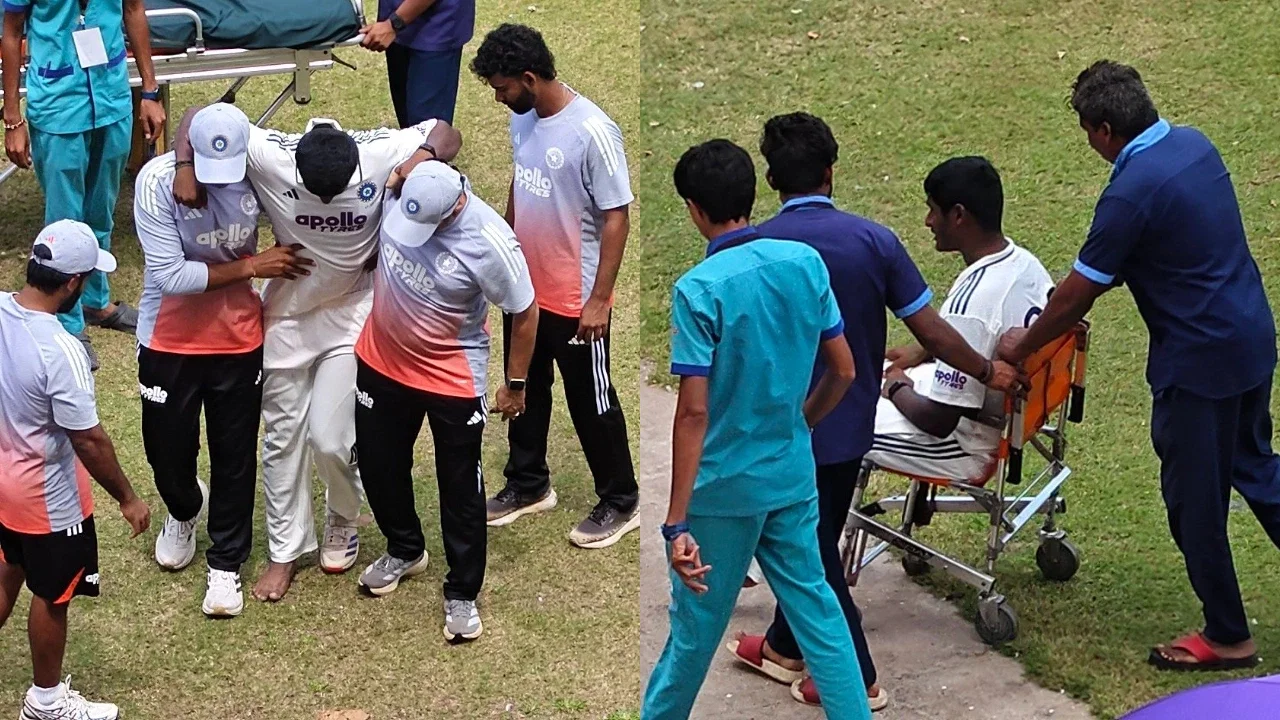
South Africa’s build-up to their three-match ODI series against Australia has been thrown into further turmoil, with another fast bowler ruled out through injury. Kwena Maphaka has withdrawn with a hamstring problem, adding to a growing list of pace absentees and leaving the Proteas’ seam attack seriously stretched ahead of Thursday’s opener in Durban.
Another setback for a depleted pace unit
Maphaka’s absence is especially damaging because it arrives on top of an already worrying injury list. Kagiso Rabada and Lungi Ngidi, South Africa’s first-choice strike pair, are both sidelined with hamstring issues of their own. In addition, Ottneil Baartman is unavailable with a hamstring injury, while Nandre Burger is recovering from a back problem.
The result is a radically changed bowling group for a major international series. What was expected to be a familiar, experienced pace attack has instead turned into an inexperienced and heavily reshuffled unit, with South Africa forced to make rapid adjustments just days before facing Australia.
Lizaad Williams steps in
Lizaad Williams has been called up as Maphaka’s replacement, bringing some added experience to a squad that has been stripped of its senior quicks. South Africa will now lean on Williams, the Jansen twins Marco and Duan, Gerald Coetzee, Corbin Bosch and Nqobani Mokoena as they try to contain one of the world’s most dangerous ODI batting line-ups.
The scale of the challenge becomes clear when looking at the numbers. Between them, the six available seamers have played only 72 ODIs. That total underlines just how inexperienced this bowling group is for a series against a top-tier opponent like Australia.
Pressure on South Africa’s selectors
For South Africa, the injuries are more than just a short-term headache. They raise fresh questions about depth, workload management and how the team balances immediate results with long-term planning. Australia will arrive in Durban expecting to test a bowling attack that has lost much of its pace, control and international know-how.
There is still talent in the group, of course. Gerald Coetzee can generate hostility, Marco Jansen offers bounce and seam movement, and Lizaad Williams brings a different angle with his experience. But the margin for error is now far smaller, and South Africa may need a collective effort rather than reliance on one marquee name to keep the series competitive.
Series schedule and what comes next
The first ODI is scheduled for Thursday in Durban, followed by the second match in Johannesburg on Sunday. The series concludes in Potchefstroom on September 30, giving South Africa little time to settle a reshaped attack before the contest unfolds across three venues.
As one South African cricket observer put it, injuries are now forcing the side to “rebuild its pace plan on the fly.” That sentiment captures the mood around the squad: concern, urgency and a growing need for the replacements to deliver immediately.
With Australia in town and South Africa’s seam resources severely reduced, the series has already taken on a different feel. What was supposed to be a high-quality contest between two strong ODI sides now carries an added storyline: can South Africa’s next wave of fast bowlers rise quickly enough to withstand the pressure?
| Injury/Absence | Role | Status |
|---|---|---|
| Kagiso Rabada | Fast bowler | Hamstring injury |
| Lungi Ngidi | Fast bowler | Hamstring injury |
| Kwena Maphaka | Fast bowler | Hamstring injury |
| Ottneil Baartman | Seamer | Hamstring injury |
| Nandre Burger | Seamer | Back injury |
The timing could hardly be worse. South Africa now head into a key home ODI series with their bowling attack understrength, under pressure and under the microscope. Australia will sense an opportunity, while the Proteas will be hoping the next man in can help steady the storm.