
Now Reading: Tuchel backlash after World Cup exit exposes England’s real problem
-
01
Tuchel backlash after World Cup exit exposes England’s real problem


Thomas Tuchel’s World Cup exit with England has triggered a familiar wave of anger, scrutiny and blame. Yet the noise around the manager may be masking a larger truth: England’s biggest obstacle to success is not one tactical choice, but a football culture still struggling to build lasting tournament control.
The backlash came fast
England’s semi-final loss to Argentina quickly became a referendum on Tuchel’s decisions, especially the moments late in the game when the side appeared to lose control. Critics focused on substitutions, caution and the feeling that the team went too defensive when the pressure peaked.
But the response has been bigger than one match. In the weeks after the tournament, Tuchel has been treated as if the job was simple: arrive, manage, and deliver a title. That expectation ignores how difficult the World Cup is and how much of tournament football is shaped long before the final whistle.
What really happened in the turning point
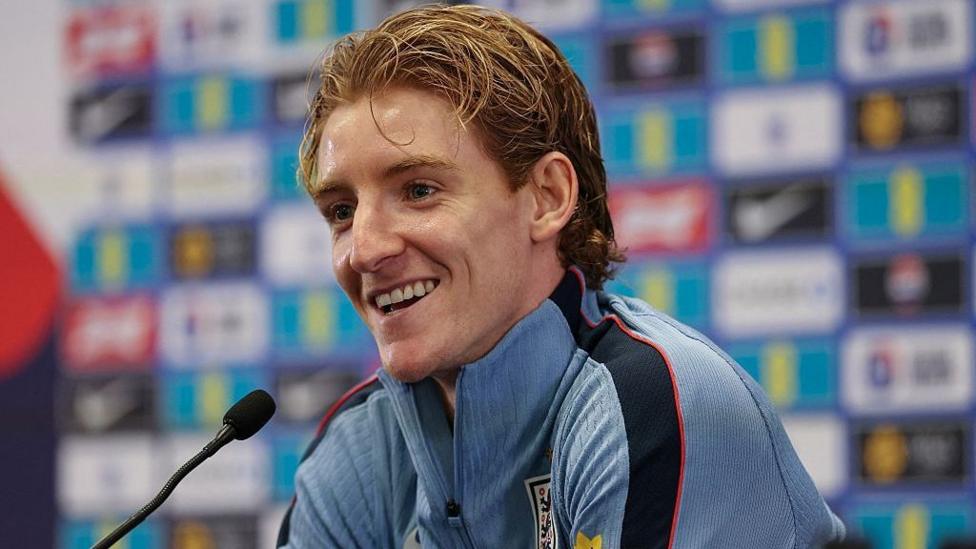
England were leading after Anthony Gordon’s goal on 55 minutes, but the momentum shifted sharply. The article argues that England did not merely fail in the final stretch; they began to panic and retreat well before the game reached its decisive phase.
That distinction matters. Tuchel may not have solved the collapse, but the evidence suggests he did not create it either. Instead, England were trapped by the same old pattern seen in late-stage knockout matches: losing rhythm, surrendering the ball and shrinking under pressure when structure mattered most.
| Key reference | Detail |
|---|---|
| Opening goal | Anthony Gordon scored on 55 minutes |
| Late-game stretch | England were within five normal-time minutes of the final |
| Tournament trend | England again struggled to control midfield rhythm in a knockout tie |
England’s deeper problem is structural
The article’s central argument is that the outrage around Tuchel reveals a much bigger obstacle: England do not yet have a coaching culture capable of producing a clear, repeatable tournament identity. In other words, the problem is not only who is in the dugout, but what the broader system expects from the dugout.
That’s why the debate has become so charged. Tuchel is being judged against an impossible standard, as though one coach alone can fix years of inconsistency, uncertainty and technical weakness in tight matches. The reality is more complicated.
As one line of thought in the analysis puts it, “A World Cup is an examination of an entire sporting culture.” That is the heart of the issue. Winning at this level is usually the product of long-term development, not a short-term managerial fix.
Why the blame keeps circling back
Gareth Southgate was also the target of sustained criticism despite delivering England’s most successful six-year stretch in decades. Tuchel’s situation has become even more politically charged because of the transactional nature of his appointment and the fact that he is a foreign manager entering a highly emotional national debate.
There is also an uncomfortable reality behind the reactions: England still do not have a clearly defined coaching identity of their own. The article points out that if Tuchel were replaced by an English successor, the shortlist would still consist of coaches with mixed records and unresolved questions about style, game management and elite-level consistency.
That is not an argument against ambition. It is an argument for patience. England can demand better, but they cannot shortcut the process of building a footballing model that survives the pressure of major tournaments.
Reason for optimism remains
Despite the frustration, there are genuine reasons for optimism ahead of Euro 2028. England will have home advantage, a strong group of players and a manager with proven ability at elite level. The squad also showed enough resilience to suggest that the ceiling is not fixed.
The key, though, is learning from the World Cup exit without overreacting to it. England reached the semi-final, beat the hosts in Mexico City with 10 men, and were only minutes away from the final. That is not failure without value. It is a warning sign, but also a platform.
Tuchel now has no real space for error, and the narrative around him will remain harsh. Still, the next two years offer England one of their best chances to win something. Whether that chance becomes real will depend less on blame and more on whether the team, the manager and the system can finally align.
“The biggest obstacle to making this work is not the team or the manager, but the energy around them.”
If England are serious about ending the cycle, they will need to move beyond anger and start confronting the deeper conditions that keep producing the same disappointment.