
Now Reading: When West Indies Last Won an ODI Series in India
-
01
When West Indies Last Won an ODI Series in India


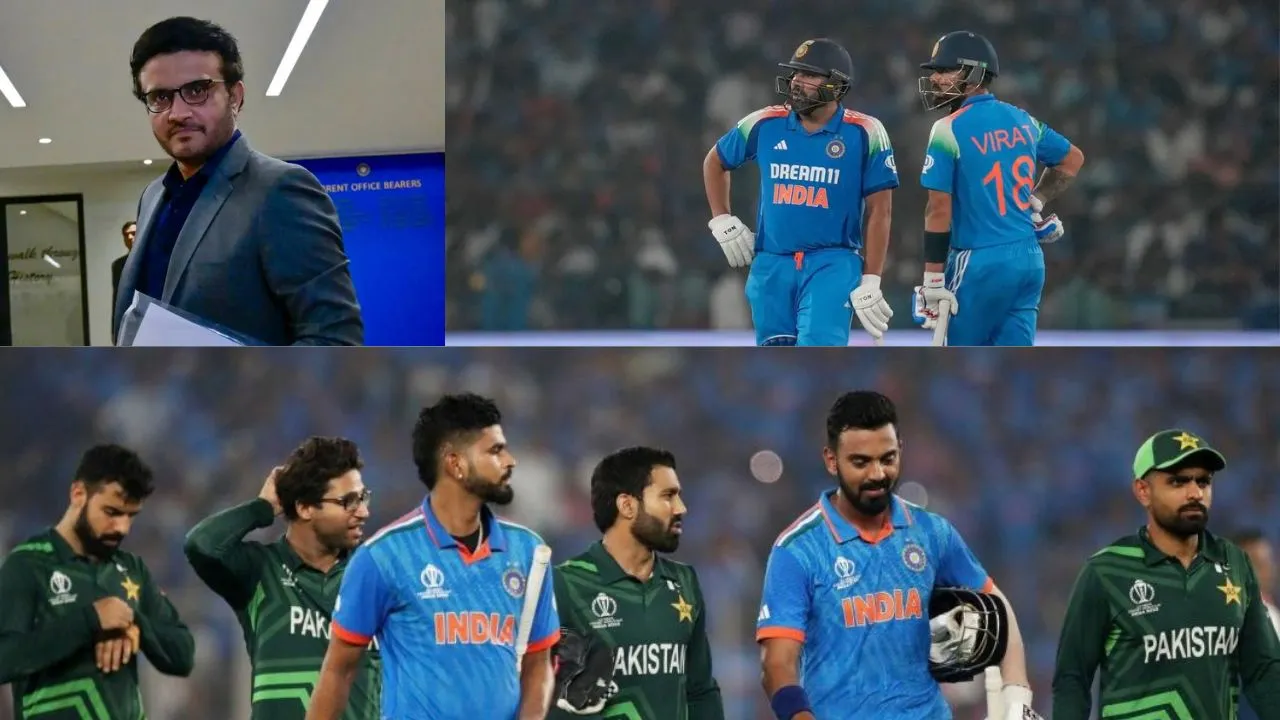
West Indies’ wait for an ODI series win in India has stretched across eras, generations and even the complete transformation of the game itself. When Carl Hooper’s side edged Sourav Ganguly’s India 4-3 in November 2002, the cricket world looked nothing like it does today. Two decades later, that result feels less like a series win and more like a time capsule.
A series win that now feels like another age
India are currently hosting West Indies for a three-match ODI series beginning on September 27, 2026, and the first ODI offered a reminder of the gap between the two sides right now. India chased down 296 in clinical fashion, needing only 10 balls after the 40th over to finish the job and secure an eight-wicket win with 50 balls remaining.
But beyond the result, the bigger story is historical. West Indies’ last bilateral ODI series victory on Indian soil came in November 2002, a 4-3 triumph in a seven-match contest. Since then, Indian cricket has changed beyond recognition. So has the wider game.
That is why the question is so striking: what was cricket like when West Indies last won an ODI series in India?
Shubman Gill, Dhoni, Kohli and Rohit were all at different stages of life
Four Indian icons in different chapters
Today, Shubman Gill is one of the central names in India’s ODI setup. In 2002, he was just seven years old, growing up in Fazilka, Punjab, years away from professional cricket.
MS Dhoni, meanwhile, had not even made his international debut. He was still grinding through domestic cricket and working as a ticket collector with Indian Railways in Kharagpur. His India debut would come only in 2004, long after West Indies’ last ODI series win in India.
Virat Kohli was 14 years old and still developing as a youngster in Delhi. His rise to global stardom would arrive much later, including the 2008 Under-19 World Cup title that announced him to the world. Rohit Sharma, too, was still a teenager, developing his batting and bowling off-spin at school before making his India debut in 2007.
Put simply, none of the players who would later define Indian white-ball cricket were yet fully on the scene.
The game itself has changed completely
Perhaps the biggest difference between 2002 and now is not even about players. It is about the tools, rules and formats that have reshaped modern cricket.
There was no DRS in 2002. Players had to live with the umpire’s call without ball-tracking, UltraEdge or Hawkeye assistance. The system was first tested in international cricket only in 2008, years after West Indies’ series triumph in India.
There were also no Super Overs. If a match was tied, there was no one-over shootout to settle the drama. That rule had not yet entered international cricket.
And the pink-ball era was still far away. Day-night Test cricket, now a familiar part of the calendar, would not arrive until 2015, when Australia hosted New Zealand in Adelaide for the first official pink-ball Test.
India’s cricketing landscape has been rebuilt
India’s global standing was also very different in 2002. The country had won the ODI World Cup only once, with Kapil Dev’s team producing the famous 1983 triumph. The 2011 World Cup win under Dhoni was still years away, and India’s later T20 World Cup and Champions Trophy successes had not yet been imagined.
There was no IPL in 2002 either. The Indian Premier League arrived only in 2008 and changed franchise cricket forever. The ICC Men’s T20 World Cup had also not yet been introduced; the first edition came in 2007, with India lifting the inaugural trophy.
That means the West Indies side that beat India in 2002 operated in a cricketing universe without the biggest commercial and tactical forces that define the modern game.
Why the 2002 result still matters
West Indies’ 4-3 series victory remains a rare and important benchmark in their history in India. It is also a reminder of how long success can take to repeat against a dominant home side. India’s current depth, especially in white-ball cricket, makes touring victories even harder to come by.
As one cricket observer put it, “The numbers are impressive, but the timeline is even more telling. You are not just looking at one result — you are looking at a generation of change.”
That is the real weight of this story. It is not just about a series that ended in 2002. It is about an entire cricketing world that has moved on since then.
From then to now: the contrast is enormous
| Topic | 2002 | Today |
|---|---|---|
| West Indies ODI series win in India | 4-3 | Still the last one |
| Shubman Gill | 7 years old | India captain figure |
| MS Dhoni | Not debuted | Legendary former captain |
| Virat Kohli | 14 years old | 55 ODI hundreds |
| Rohit Sharma | Teenager | One of India’s great openers |
| DRS | Not in international cricket | Standard part of the game |
| IPL | Did not exist | Global cricket powerhouse |
Two decades later, the same fixture still carries history, but the cricket around it has been completely rewritten. West Indies may be chasing a rare away breakthrough, yet the shadow of 2002 keeps growing longer with every passing series.