
Now Reading: Afghanistan to Host Zimbabwe and Bangladesh in UAE Tri-Series
-
01
Afghanistan to Host Zimbabwe and Bangladesh in UAE Tri-Series

Afghanistan to Host Zimbabwe and Bangladesh in UAE Tri-Series

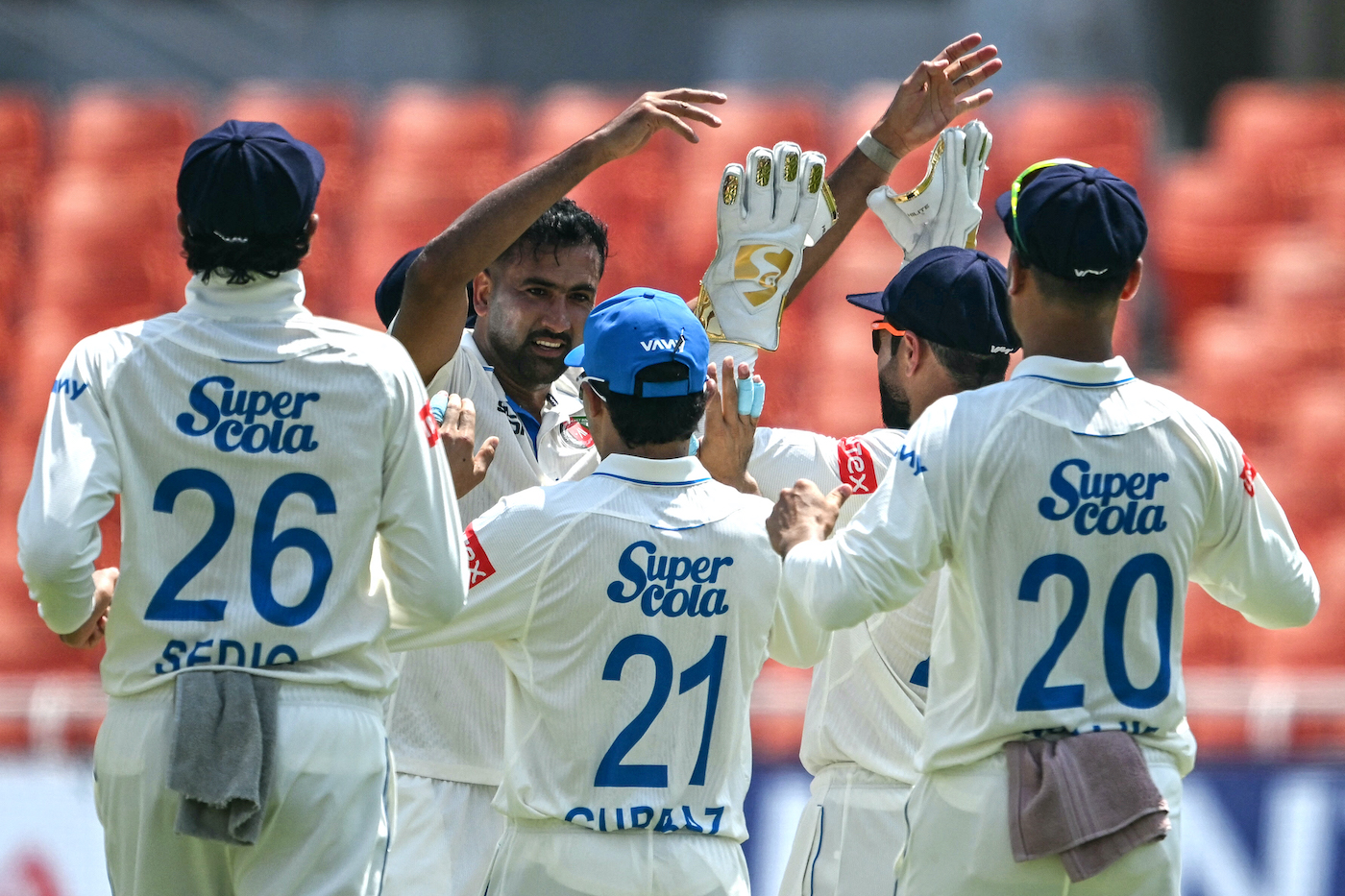
Afghanistan set for packed multi-format home series in UAE
Afghanistan are preparing for a busy stretch of international cricket, with Zimbabwe and Bangladesh set to join them for an ODI tri-series in the UAE from October 17 to 23. The schedule then rolls into a three-match T20I series and two Tests, creating one of the most complete bilateral-and-triangular assignments in recent times.
The upcoming tour is notable not just for the number of matches, but for the variety. All three teams will compete across limited-overs and red-ball cricket, giving players a rare chance to build rhythm in different formats over a short period. For Afghanistan, it is another sign of how strongly they are pushing to remain active on the international calendar.
ODI tri-series to kick off the action
The tri-series begins with Zimbabwe taking on Bangladesh on October 17. Zimbabwe will then face Afghanistan on October 19, before the hosts meet Bangladesh on October 21. The summit clash is scheduled for October 23, bringing the first phase of the tour to a close.
For Zimbabwe and Bangladesh, the tri-series offers a competitive start before the focus shifts to the T20Is and Tests. For Afghanistan, it is a chance to test combinations at home conditions in a neutral UAE setting, where they have often built strong familiarity over the years.
| Match | Date |
|---|---|
| Zimbabwe vs Bangladesh | October 17 |
| Zimbabwe vs Afghanistan | October 19 |
| Afghanistan vs Bangladesh | October 21 |
| Tri-series final | October 23 |
Why the tri-series matters
ODI tri-series have become relatively rare in modern cricket, which is why this one stands out. It gives all three teams a direct opportunity to gauge depth, test middle-order stability, and sharpen bowling plans against unfamiliar combinations.
As one team official put it, the format “will test us against two strong sides,” highlighting just how valuable the competition is for squads looking to strengthen their one-day game. In a schedule packed with franchise cricket and shorter bilateral windows, this kind of event offers something different: sustained competitive pressure.
T20Is and Tests add further value
After the ODI phase, attention will shift to the T20I series, with matches set for October 27, October 29 and November 1. That will be followed by two Tests, the first beginning on November 5 and the second from November 13.
The sequence gives the tour real depth. Teams will move from 50-over cricket into the shortest format and then into the longest, a demanding transition that will challenge tactics, workload management, and squad balance. It also gives selectors a broad window to assess players across formats rather than in isolation.
Bangladesh and Afghanistan to meet before the main tour
Before Zimbabwe arrive in the UAE, Afghanistan and Bangladesh will also play a one-off Test from October 9 to 13. That contest will help set the tone for the larger tour and give both sides an early look at conditions and form.
Afghanistan Cricket Board Chief Executive Officer Naseeb Khan welcomed the chance to play across all three formats, saying the series would provide “valuable competitive opportunities” for players and an “exciting period of international cricket” for supporters. His comments underline the bigger picture: more cricket, more variety, and more opportunities to grow.
“The ODI tri-series will test us against two strong sides,” said Zimbabwe Cricket Managing Director Givemore Makoni, calling the tour especially valuable in the longest format as well.
Zimbabwe eye crucial exposure across formats
Zimbabwe Cricket also framed the tour as an important step in their development. With limited opportunities against full-strength opposition, every game in the UAE will carry added significance. The two Tests, in particular, are likely to be closely watched as Zimbabwe continue their push for more regular red-ball cricket.
That sentiment was echoed in the board’s appreciation for the cooperation shown by the Afghanistan Cricket Board and Bangladesh Cricket Board. In an era where scheduling can be fragmented, smooth coordination between boards has made this type of series possible.
A tour built for competition and momentum
What makes the schedule appealing is its balance. The ODI tri-series offers immediate stakes, the T20Is bring pace and flexibility, and the Tests reward patience and planning. For teams and fans alike, it creates a rare run of meaningful cricket with different rhythms and different pressures.
For Afghanistan, the tour is another chance to strengthen home-adjacent conditions and deepen squad cohesion. For Bangladesh, it is a chance to measure progress in a demanding multi-format environment. For Zimbabwe, it is an opportunity to gain high-quality exposure that could help shape their longer-term development.
By the end of the tour, all three sides will likely have a better picture of where they stand. More importantly, cricket lovers will get a packed stretch of international action, beginning in mid-October and running well into November.