
Now Reading: Mohsin Naqvi to Miss Asian Games Medal Ceremony
-
01
Mohsin Naqvi to Miss Asian Games Medal Ceremony


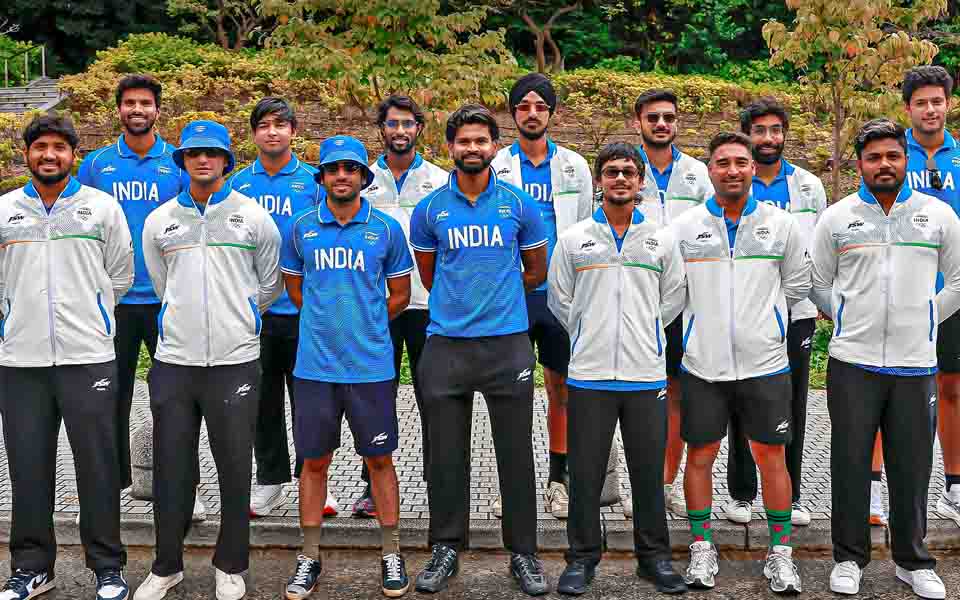
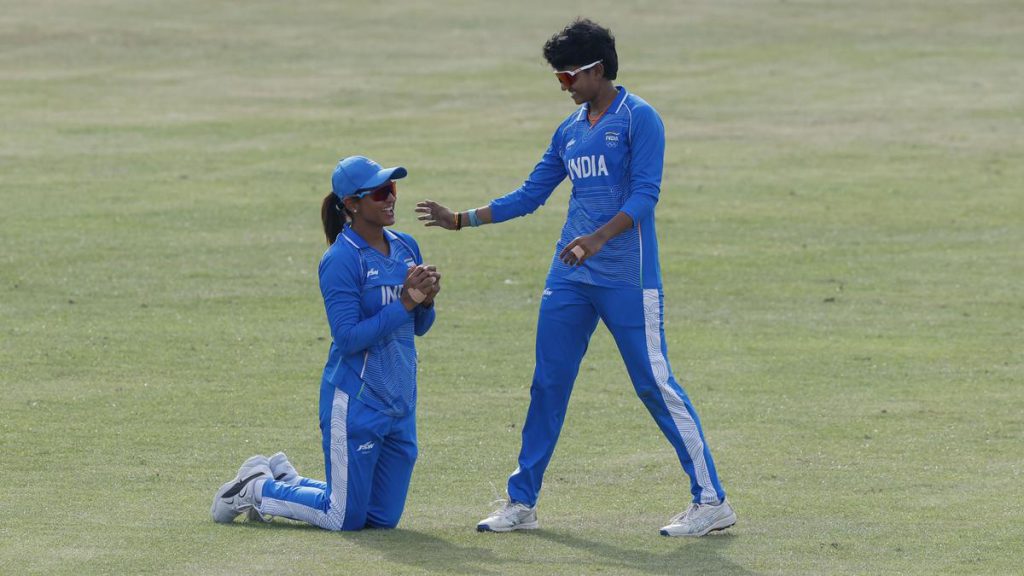
The lingering fallout from India’s Asia Cup trophy dispute has now reached the Asian Games stage, setting up another sensitive decision around a medal ceremony that could have major diplomatic overtones. With India’s men and women both in contention for cricket medals at Aichi-Nagoya 2026, attention has shifted from the field to the podium.
Asia Cup controversy casts a long shadow
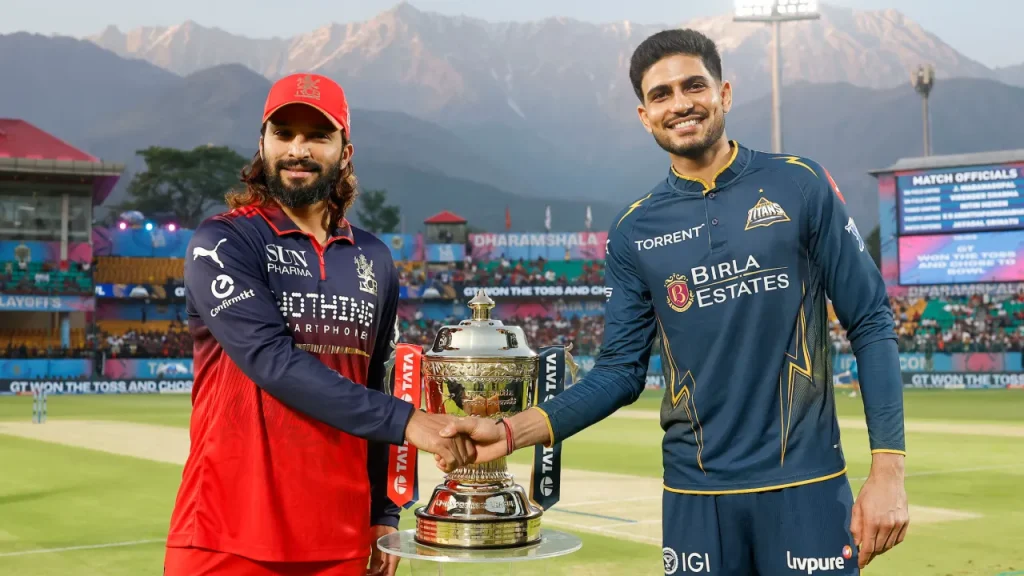
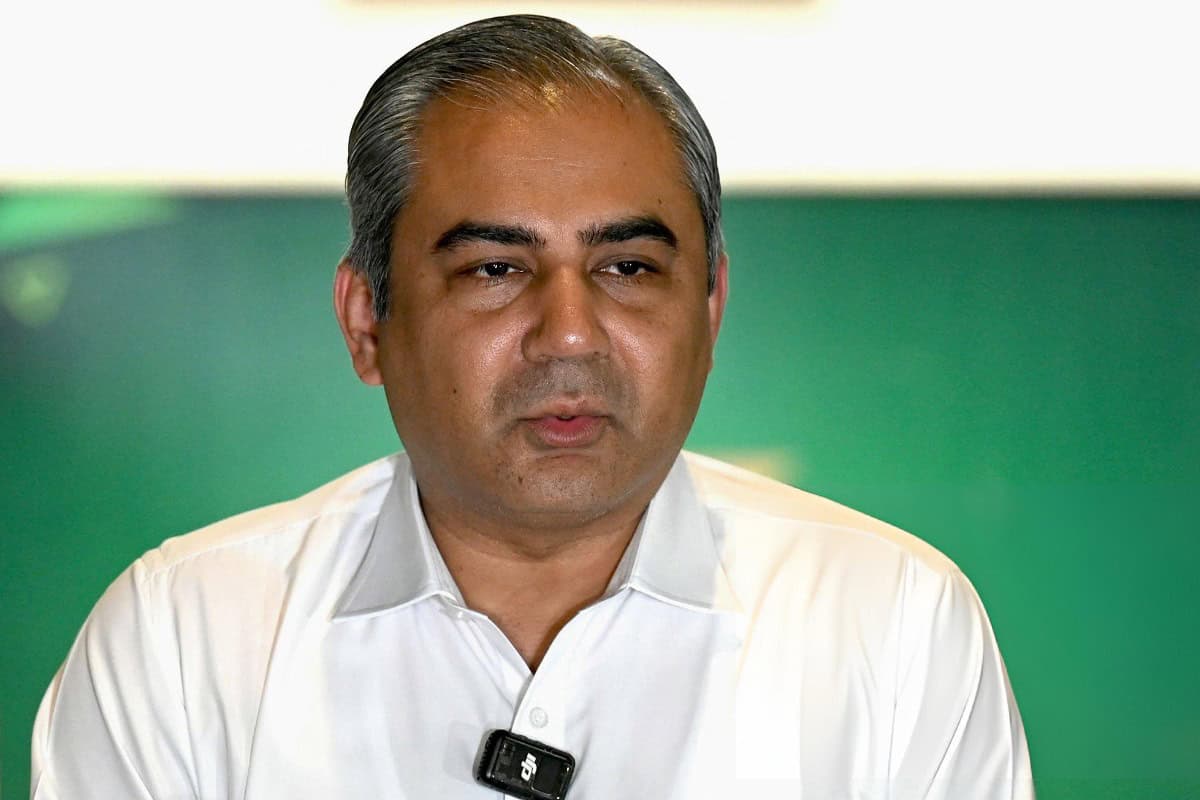
The issue stems from the tense aftermath of India’s recent Asia Cup presentation ceremonies, when the team declined to accept the trophy from Asian Cricket Council president Mohsin Naqvi. The episode created an awkward televised stand-off and has since influenced how Indian officials are approaching future events involving Pakistan-linked administrators.
BCCI secretary Devajit Saikia has tried to keep the focus on cricket rather than ceremony politics. “We are focusing solely on the matches. The teams have to first reach the podium. We will take a call then, taking into account all prevailing factors at that moment,” he said.
Saikia added that India was not willing to speculate before the event. “We will cross the bridge only when we reach it. The focus of the board and cricketers is only on winning the matches. We don’t want to comment on anything else that hasn’t happened yet,” he said.
India takes a formal step
According to multiple reports, the Indian Olympic Association has formally written to Asian Games organisers, requesting that no Pakistani official be present at medal ceremonies involving India’s cricket teams. That move turns an already delicate situation into an official administrative matter, rather than just a public relations concern.
The request follows the chaos around the Women’s Asia Cup final, where India defeated Sri Lanka but the presentation ceremony became the story. Naqvi was on the podium, India’s players did not come out to receive the trophy, and the ceremony ended with the trophy unclaimed. The moment was awkward, prolonged and widely discussed across cricket circles.
What the OCA rules say
The Olympic Council of Asia’s framework states that medals are to be presented by the OCA president, though the responsibility can be delegated. That makes the matter more procedural than personal, but it does not remove the political sensitivity around who steps onto the podium.
Under the rules, the ceremony can involve delegation to other officials, but the organising committee still has to manage the optics carefully. In this case, the decision appears to rest with the Asian Games organisers and local hosts, not directly with India or Pakistan.
Why Japan matters here
The setting in Japan makes this case different from Dubai. India and Japan have recently marked 75 years of diplomatic friendship, and that broader relationship is expected to shape how organisers handle the medal presentation. India also agreed to play a standalone T20I against Japan as part of the goodwill arrangements, which adds another layer of diplomacy to the event.
One ACC source was quoted as saying, “I think Japan will not allow it. India’s gesture of playing Japan will not go unacknowledged.” That view reflects the belief that Japanese organisers will want to avoid a repeat of the confusion that followed the Asia Cup final.
Naqvi’s absence changes the picture
In a significant update, Mohsin Naqvi has been officially informed that he will not be present in Aichi for the medal ceremony on October 3 after the final. Separate reports also state that he will miss Finals Day because of prior commitments. That means the immediate flashpoint surrounding his presence may be avoided, at least for this edition.
The ACC also publicly acknowledged his absence, saying he would miss the medal matches but had sent best wishes to the teams. While that removes one source of tension, the bigger issue remains: how organisers prevent another ceremony from being derailed by politics or perception.
Potential presenters and ceremony planning
Reports from multiple outlets suggest that the medal presentation could include senior Olympic and local officials, and that the final lineup is being shaped to avoid a repeat of the Asia Cup embarrassment. The exact delegation can still vary depending on the organiser’s decision-making process.
A repeat of the earlier scene, where broadcasters were left filling time around an empty podium, would be a poor outcome for an event intended to celebrate sporting success. That is why India’s pre-emptive letter is being seen as a calculated move rather than a last-minute protest.
Why the move matters beyond one ceremony
This is no longer just about one trophy or one official. It is about how Asian sport manages repeated friction between national teams and the officials attached to them. India’s approach suggests it wants clarity in advance, rather than another live on-air standoff.
As one source close to the situation put it, the goal is to avoid “a third consecutive ceremony overshadowed by the same unresolved argument.” That is the real issue now: not just who hands over the medal, but whether the ceremony itself can stay focused on the athletes.
If India reaches the podium again, the organiser’s response will become part of the story. For now, Naqvi’s reported absence offers a practical escape route, but the larger diplomatic undercurrent still hovers over the Asian Games cricket event.