
Now Reading: BCCI’s Saikia sidesteps trophy row, lauds India’s title surge
-
01
BCCI’s Saikia sidesteps trophy row, lauds India’s title surge


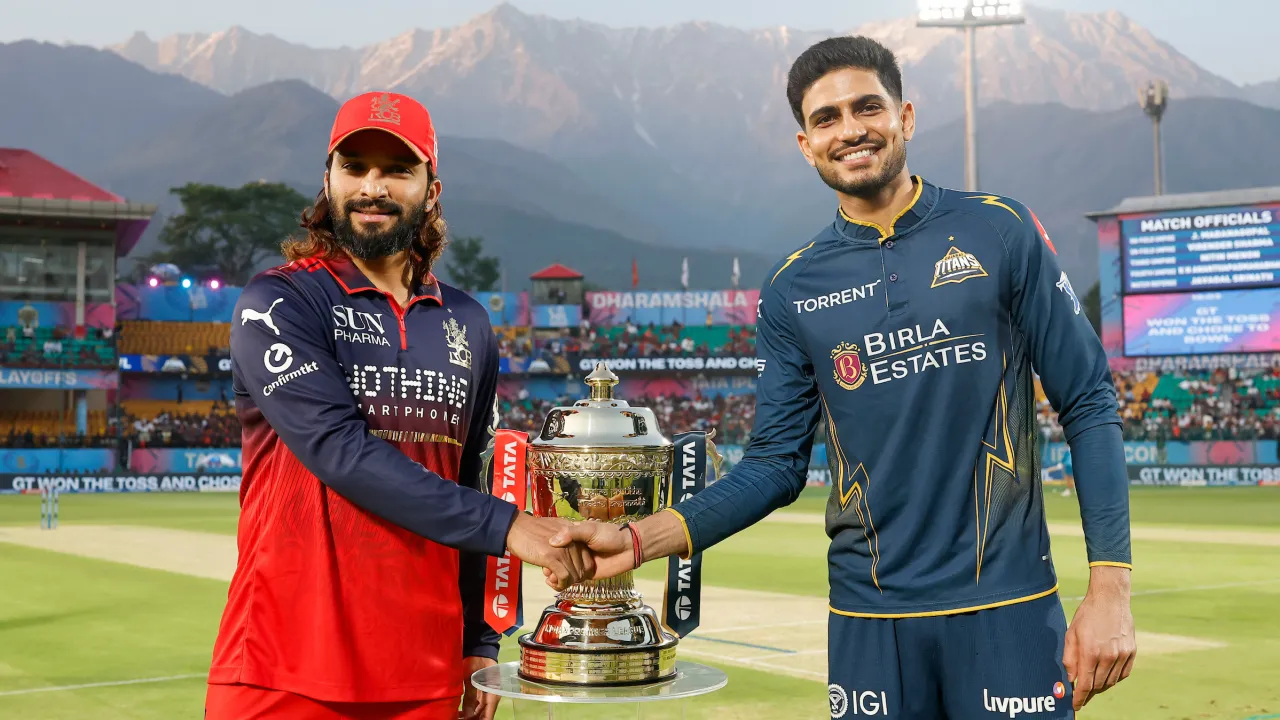
As the Asia Cup trophy dispute continues to linger off the field, BCCI secretary Devajit Saikia has chosen a familiar route: keep the focus on cricket. Rather than inflaming the conversation around the presentation controversy, Saikia highlighted India’s recent run of results and the growing pride around the women’s team’s dominance in major tournaments.
The backdrop is the same one that has kept the cricketing world talking for days. India’s refusal to accept the silverware from Asian Cricket Council president Mohsin Naqvi has created a fresh administrative flashpoint, but Saikia made it clear that he did not want to turn the matter into a public confrontation.
Saikia keeps the focus on performance
Speaking to PTI Videos, Saikia was measured and deliberate. He said the BCCI was more concerned with what India had achieved on the field than with the noise surrounding the trophy presentation.
“I do not want to make any comment on anything regarding this. I am only concerned about the performance of our team,” Saikia said, adding that the country was “rejoicing” in the women’s team’s results against top opposition across recent tournaments.
His comments reflected an institutional stance rather than a personal attack on any official or tournament body. For the BCCI, the message was clear: the scoreboard matters more than the ceremony.
India Women deliver another statement win
The timing of Saikia’s remarks was significant. India Women had just beaten Sri Lanka Women by 72 runs in the 2026 Women’s Asia Cup final at the Dubai International Cricket Stadium on September 13, sealing a record eighth title in the competition.
It was a complete team performance. Smriti Mandhana and Shafali Verma led the charge with half-centuries, powering India to 183/5 before the bowlers took control and dismissed Sri Lanka for 111.
For India, the result was more than another trophy. It was another reminder of a side that has learned to handle pressure, respond in big moments and convert strong starts into match-winning control.
Final stats at a glance
| Match | Result |
|---|---|
| India Women vs Sri Lanka Women | India won by 72 runs |
| India total | 183/5 |
| Sri Lanka total | 111 all out |
| Top contributions | Smriti Mandhana, Shafali Verma half-centuries |
| Title count | Record eighth Women’s Asia Cup title |
That title was also part of a broader stretch of success Saikia was eager to underline. He pointed to India’s recent wins in global and continental competitions, framing the team’s form as the bigger story.
Why the BCCI is standing firm
Saikia’s remarks also suggested that the board sees the issue as an administrative matter, not a cricketing one. By avoiding direct commentary on the trophy row, he effectively separated the on-field achievements from the off-field dispute.
“I am more concerned about, and the BCCI is more concerned about, the performance,” he said, stressing that the public was happy with how India had played. That line summed up the board’s current position: defend the team’s achievements, avoid escalating the controversy, and wait for the formal process to play out.
According to the BCCI’s position, both the 2025 Men’s Asia Cup trophy and the 2026 Women’s Asia Cup trophy are expected to eventually reach the board’s headquarters at Wankhede Stadium in Mumbai. But for now, there is no confirmed timeline or official handover mechanism.
Men’s and women’s teams, same flashpoint
This is not the first time India has found itself at the centre of a presentation dispute involving Naqvi. After defeating Pakistan in the 2025 Men’s Asia Cup final in Dubai, Suryakumar Yadav’s side also declined to collect the trophy from him, creating a similar post-match standoff.
That repeated pattern has kept the issue alive well beyond the final ball. Still, Saikia’s comments show that the BCCI is unwilling to let the dispute overshadow India’s performances, especially when those performances are delivering titles.
There is also a broader administrative layer to the story. Naqvi’s current term as ACC president runs until April 2027, and any extension would depend on support from member boards. Until then, the cricketing and political dimensions of the issue are likely to remain closely intertwined.
What the latest win means for India
For India Women, the title confirms a team that is turning pressure into silverware with growing consistency. For the BCCI, it provides a strong counterpoint to the trophy-row headlines that have dominated discussion around the tournament.
And for Saikia, the message was simple. The board may answer questions about ceremony and protocol later, but the immediate celebration belongs to the players who delivered when it mattered most.
As the row around the trophy continues, India’s latest Asia Cup triumph has ensured the cricket itself still speaks the loudest.
Quote of note: “I am only concerned about the performance of our team,” Saikia said, a line that neatly captured the BCCI’s current posture.