
Now Reading: UEFA probes spitting allegation in Ireland-Israel clash
-
01
UEFA probes spitting allegation in Ireland-Israel clash


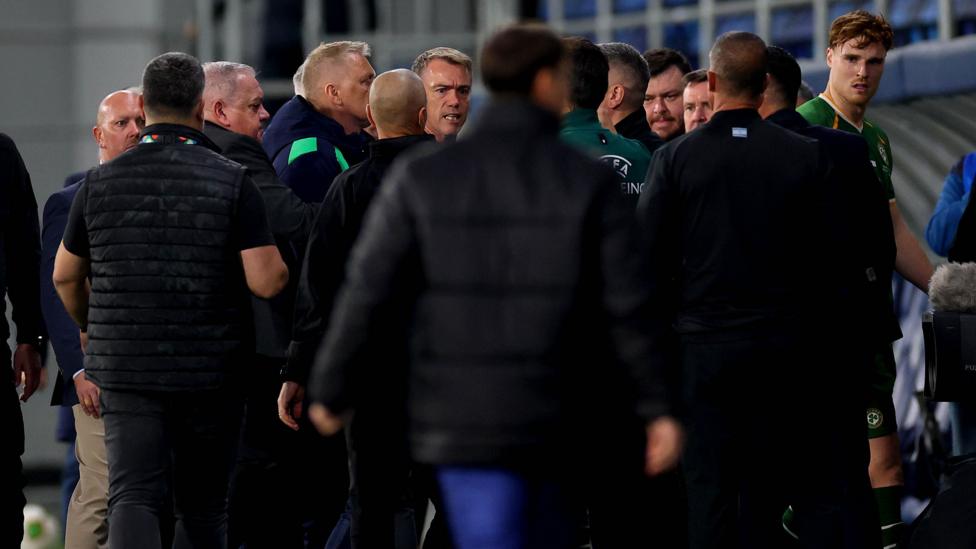
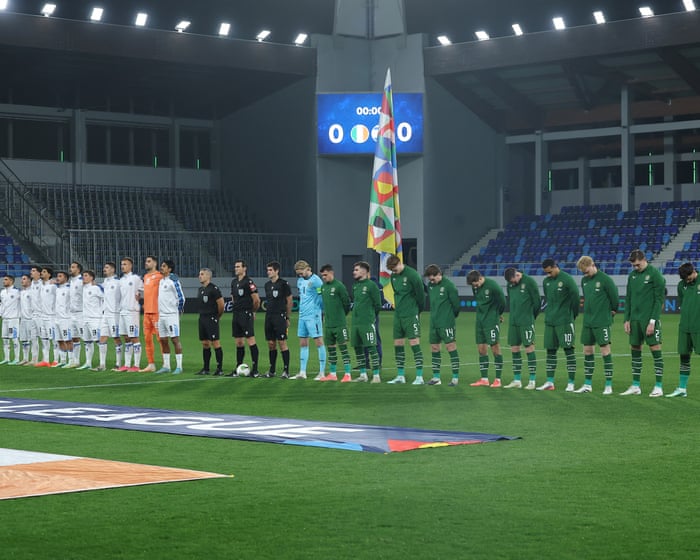
UEFA has launched a disciplinary investigation after an allegation emerged that a member of the Republic of Ireland coaching staff was spat at during Sunday’s Nations League match against Israel. The incident is said to have occurred in or around the tunnel at half-time, adding another layer of tension to an already combustible fixture.
The governing body confirmed that post-match reports from officials included an allegation of misconduct involving player(s), and the case will now be reviewed. Israel’s football association has denied the accusation, stating that no one had spat towards the coach.
What UEFA is investigating
According to UEFA, the matter stems from reports submitted after the match in the Serbian town of Backa Topola. Those reports referred to an incident near the tunnel during the break, which is now the focus of the disciplinary process.
The alleged target was understood to be Republic of Ireland fitness coach Damian Doyle, though that detail has not been formally confirmed by UEFA. For now, the key issue is whether misconduct took place and, if so, who was involved.
A tense match with political and sporting pressure
The fixture had already been surrounded by controversy before kick-off. Ireland faced pressure from supporters at home to boycott the games, and the broader context turned the double-header into a geopolitical flashpoint as well as a football contest.
The second match was staged in Backa Topola after Ireland’s home venue was moved, with the Football Association of Ireland citing operational challenges and safety concerns. That backdrop only heightened the scrutiny around every moment on and off the pitch.
After the game, Ireland coach Heimir Hallgrímsson tried to cool the temperature around the dispute, while also suggesting his side had been targeted by provocation. “There have been a lot of those ‘accidents’ and we were clever enough to avoid it before it went too far,” he said. “I felt it was their intention to intimidate us and make us do something stupid. I give big credit to how the players handled their emotions.”
Denial from the Israeli side
Israel’s football association strongly rejected the suggestion that an Israeli player spat at the coach. The denial directly contradicts the allegation that has now been passed to UEFA for review, leaving the disciplinary process to weigh testimony, match reports and any other available evidence.
The episode is likely to intensify already strained relations between the two camps, particularly given the charged atmosphere that had been building throughout the international window. With both sides trading accusations in recent days, the tunnel incident has become the latest flashpoint in a fixture defined by friction.
Why the case matters beyond the result
While the match itself will be remembered for its competitive context, the disciplinary investigation may carry wider significance. UEFA has been forced to deal carefully with the potential security and political sensitivities surrounding the teams, and Hallgrímsson has even asked for Ireland and Israel to be kept apart in future draws.
A UEFA spokesperson said decisions about avoiding certain pairings are made by taking several factors into account, “especially conditions between the two countries leading to structural risks for security.” The body added that it handles each situation “very carefully on its own merits” and monitors all developments.
That approach underlines how much more than football is being weighed here. The outcome of the investigation may not change the result on the pitch, but it could influence how UEFA manages future meetings between the sides.
| Key detail | Information |
|---|---|
| Competition | Nations League |
| Fixture | Republic of Ireland vs Israel |
| Venue | Backa Topola, Serbia |
| Issue | Alleged spitting incident at half-time |
| Response | UEFA disciplinary investigation opened |
| Denial | Israeli FA says no one spat towards the coach |
For now, the focus shifts to UEFA’s findings. The allegation is serious, the denial is firm, and the surrounding tensions ensure this is one case likely to draw close attention well beyond the immediate football community.