
Now Reading: West Indies’ Ekana T20I Record Before India Clash
-
01
West Indies’ Ekana T20I Record Before India Clash


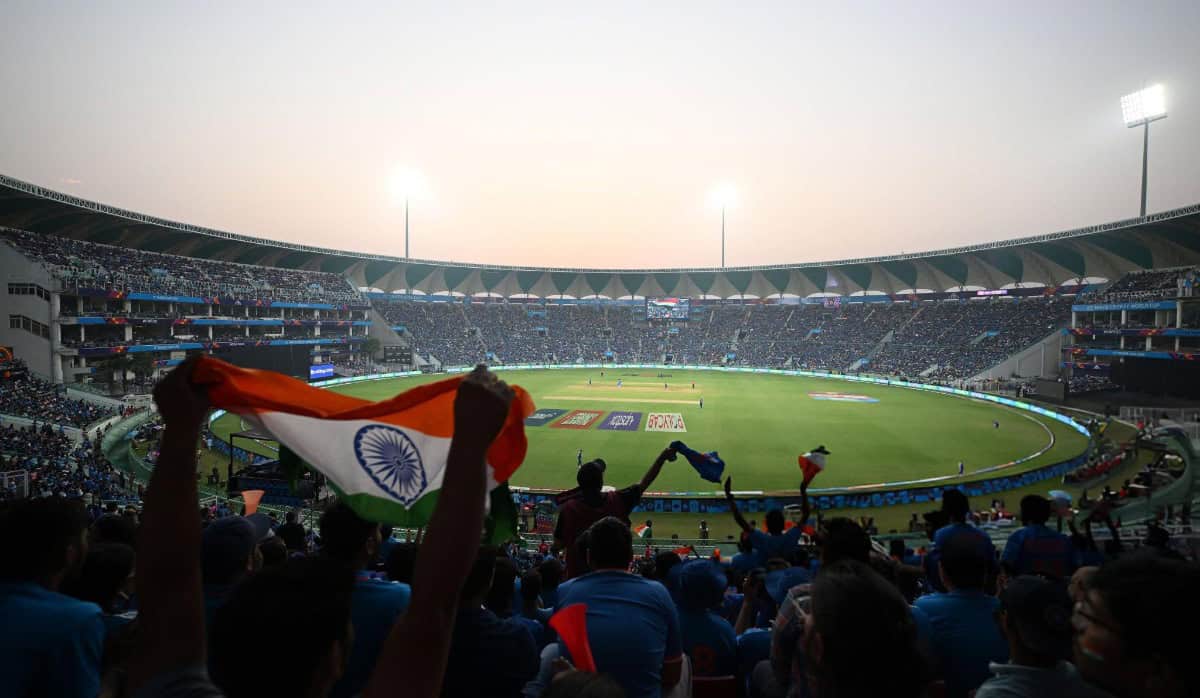
India and West Indies are set to begin their five-match T20I series in Lucknow, and the spotlight is already on the Bharat Ratna Shri Atal Bihari Vajpayee Ekana Cricket Stadium. After India’s ODI series win, the Caribbean side now face a fresh challenge at a venue where their T20I record offers both hope and warning signs.
Ekana has not been an easy ground for free-flowing batting, and West Indies will know they need to adapt quickly if they want to start the series with momentum. The numbers at the venue reveal a side that has produced some strong individual efforts, but also been pushed into difficult scoring positions.
West Indies’ T20I record at Ekana Stadium
Before the first T20I between India and West Indies on October 6, 2026, West Indies’ history at Ekana Stadium tells a compact but revealing story. Their highest T20I total at the ground is 164/5, which came against Afghanistan on November 14, 2019. At the other end of the scale, their lowest total there is 106/8, also against Afghanistan, two days later.
That contrast shows how quickly conditions at the venue can shift and how important it is for batters to settle in early. On a ground where stroke-making can become tricky as the innings progresses, partnerships are often more valuable than one-off bursts.
Evin Lewis leads West Indies’ batting numbers
Among West Indies batters at Ekana, Evin Lewis stands out as the leading run-scorer. He has made 106 runs in three matches at a strike rate of 123.25 and an average of 35.33, making him the most productive Caribbean batter at the venue.
Lewis also owns the highest individual score for West Indies at the stadium, with a 68 off 41 balls against Afghanistan on November 14, 2019. That innings remains the benchmark for West Indies batting at the venue, showing the value of a batter who can attack without losing shape.
A team insider’s view on such surfaces is simple: “You cannot afford to waste the first six overs here. Once the pitch settles, the margin for error narrows fast.”
Bowling could decide the contest
If batting has been mixed for West Indies at Ekana, their bowling has produced more encouraging signs. Kesrick Williams is the side’s leading wicket-taker at the venue, with eight wickets in three innings at an economy rate of 5.91. He has also recorded the best bowling figures for West Indies at the ground, finishing with 3/17 in four overs against Afghanistan on November 14, 2019.
Those numbers underline a crucial point: the Ekana surface can reward bowlers who hit the right lengths and use variations smartly. For West Indies, that means discipline with the ball may be the best route to control India’s batting lineup.
Key West Indies stats at Ekana
| Category | Stat |
|---|---|
| Highest T20I total | 164/5 |
| Lowest T20I total | 106/8 |
| Leading run-scorer | Evin Lewis, 106 runs |
| Best individual score | Evin Lewis, 68 |
| Leading wicket-taker | Kesrick Williams, 8 wickets |
| Best bowling figures | Kesrick Williams, 3/17 |
What the venue history means for this series
Ekana is known for being a ground where patience matters. Reports from the venue suggest the pitch can be slow and low, with spinners likely to play a major role in the middle overs. Large boundaries also mean clean hitting is not always enough; timing, placement and strike rotation can matter just as much.
There is also the question of toss and innings pattern. Recent numbers at the ground suggest batting first has had a slight edge, with teams batting first winning five of the nine T20Is played there. The average first-innings score stands at 151, while the average second-innings score drops to 126.
That could make the opening match especially tactical. If the ball grips early and the surface slows further, West Indies may need their top order to build a platform rather than chase quick boundaries from the outset.
India vs West Indies: a different kind of pressure
For West Indies, the challenge is not only about the surface but also about responding to India’s confidence after the ODI series. The home side enter the contest with momentum, and they also know the ground well. West Indies, by contrast, will be relying on a few familiar names to set the tone and a bowling unit that has historically been their best tool at this venue.
The upside for the Caribbean side is clear enough. They have already shown at Ekana that they can post competitive totals and take wickets in clusters. The downside is equally obvious: if they fall behind early, the slow nature of the pitch can make recovery difficult.
As one of the key questions heading into the match, West Indies must ask themselves whether they can turn their venue record into a launchpad rather than a cautionary tale. The numbers suggest a contest that could hinge on the first 10 overs, the middle-overs battle, and how well both teams handle pressure on a surface that rarely gives away easy runs.
With the first T20I set for October 6, all eyes will now shift from records to execution. West Indies arrive with useful history at Ekana, but India’s form and the venue conditions could demand something even sharper to change the script.