
Now Reading: Shubman Gill Leads India Ratings After West Indies ODI Series
-
01
Shubman Gill Leads India Ratings After West Indies ODI Series


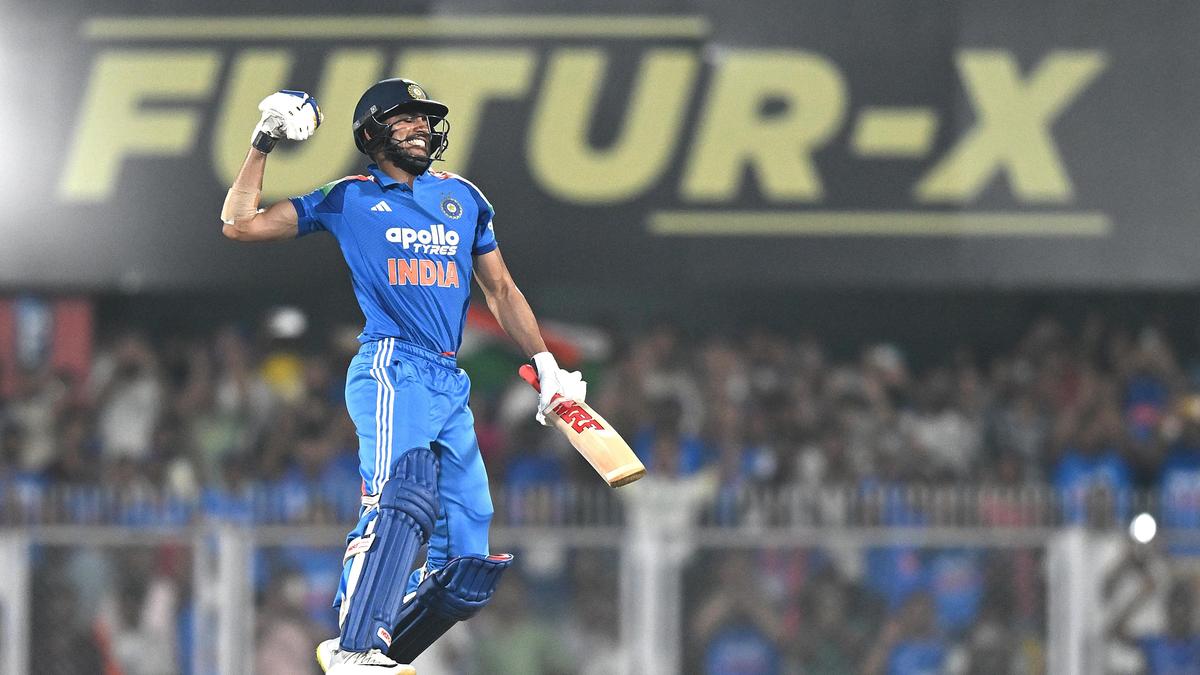
India’s 2-1 ODI series win over West Indies came with plenty of positives, but the final match also reminded the team management that not everything is settled ahead of the 2027 World Cup build-up. From Shubman Gill’s brilliant batting to a few debut struggles and costly spells with the ball, the series offered a clear picture of who is rising and who still needs work.
Gill, Rohit and Rahul set the tone
Shubman Gill was the standout performer of the series and finished as India’s highest-rated player. The captain piled up 334 runs at a strike rate of over 135, including a century in the first ODI and a record double hundred in the second. His batting authority, calm leadership and sharp fielding made him the most complete contributor in the contest.
Rohit Sharma was not far behind. The former captain followed his century in the second game with a pressure-filled 92 in the final ODI, showing the same composure that has defined his best white-ball outings. KL Rahul also made a strong impact in his only batting chance, scoring a crucial century in the third ODI to rescue India after early wickets.
Top batting ratings
| Player | Rating | Key output |
|---|---|---|
| Shubman Gill | 9/10 | 334 runs, record double century |
| Rohit Sharma | 9.5/10 | Century and 92 under pressure |
| KL Rahul | 9/10 | Match-saving hundred in third ODI |
| Virat Kohli | 7.5/10 | 168 runs, one century, one duck |
| Ruturaj Gaikwad | 7/10 | 101 runs, valuable 57 in final game |
As one team observer put it, “The top-order did its job, but the bigger takeaway is how India handled pressure across different match situations.” That pressure test will matter even more when the opposition gets stronger.
Batting depth showed promise, but inconsistency remained
Virat Kohli had a productive series with 168 runs at a strike rate of 155, highlighted by a century in the opener. However, a golden duck in the third ODI and a few uncharacteristic lapses in the field pulled down his overall rating slightly. Ruturaj Gaikwad also made the most of limited opportunities, scoring 101 runs and holding his own at No. 4 in the absence of Shreyas Iyer.
India’s batting depth looked encouraging, especially with players stepping in at different positions and still finding ways to contribute. Yet the final match exposed a familiar issue: once the top order got out, the middle and lower order were not always able to fully control the tempo.
Bowling had bright spots and warning signs
Kuldeep Yadav was India’s best bowler of the series, returning 7 wickets at an average of 23. He produced a four-wicket haul in the first ODI and remained India’s most economical option, repeatedly breaking partnerships when the West Indies tried to rebuild.
On the other hand, several bowlers had a tough time. Gurnoor Brar conceded 96 runs in one outing and ended the series with only 3 wickets at an average of 73. Prasidh Krishna was decent but inconsistent, while debutants Auqib Nabi and Anshul Kamboj had difficult starts and failed to apply sustained pressure.
Bowling and all-rounder summary
| Player | Rating | Series note |
|---|---|---|
| Kuldeep Yadav | 8/10 | 7 wickets, best bowler for India |
| Mohammad Siraj | 7/10 | Wicket in final ODI, decent new-ball spells |
| Naman Dhir | 6/10 | 30 runs, one wicket, mixed impact |
| Ravindra Jadeja | 4/10 | Ordinary by his standards |
| Nitish Reddy | 2/10 | 9 runs and 1 wicket across two games |
Mohammad Siraj offered energy with the new ball and picked up a wicket in Chandigarh, but he too had stretches where the breakthrough ball never arrived. Ravindra Jadeja, usually one of India’s safest all-round options, was quiet by his standards and did not make the kind of impact fans expect from him.
What the series means for India next
The biggest lesson from this ODI series is simple: India’s top order looks settled, but the bowling attack still needs clarity. Gill, Rohit and Rahul all gave the selectors confidence, while Kuldeep strengthened his case as a leading spinner for major tournaments.
At the same time, players like Nitish Reddy, Gurnoor Brar, Auqib Nabi and Anshul Kamboj will need better returns if they want to stay in long-term World Cup discussions. The West Indies may have lost the series, but they exposed enough soft spots to give India plenty to think about.
With the scoreboard reading 2-1 in India’s favour, the result was positive. But the ratings tell a deeper story: India’s batting spark is alive, the spin department looks sharp, and the fast-bowling picture still needs refinement before the bigger tests arrive.