
Now Reading: India vs West Indies 3rd T20I: Bowling Faces Big Test
-
01
India vs West Indies 3rd T20I: Bowling Faces Big Test

India vs West Indies 3rd T20I: Bowling Faces Big Test

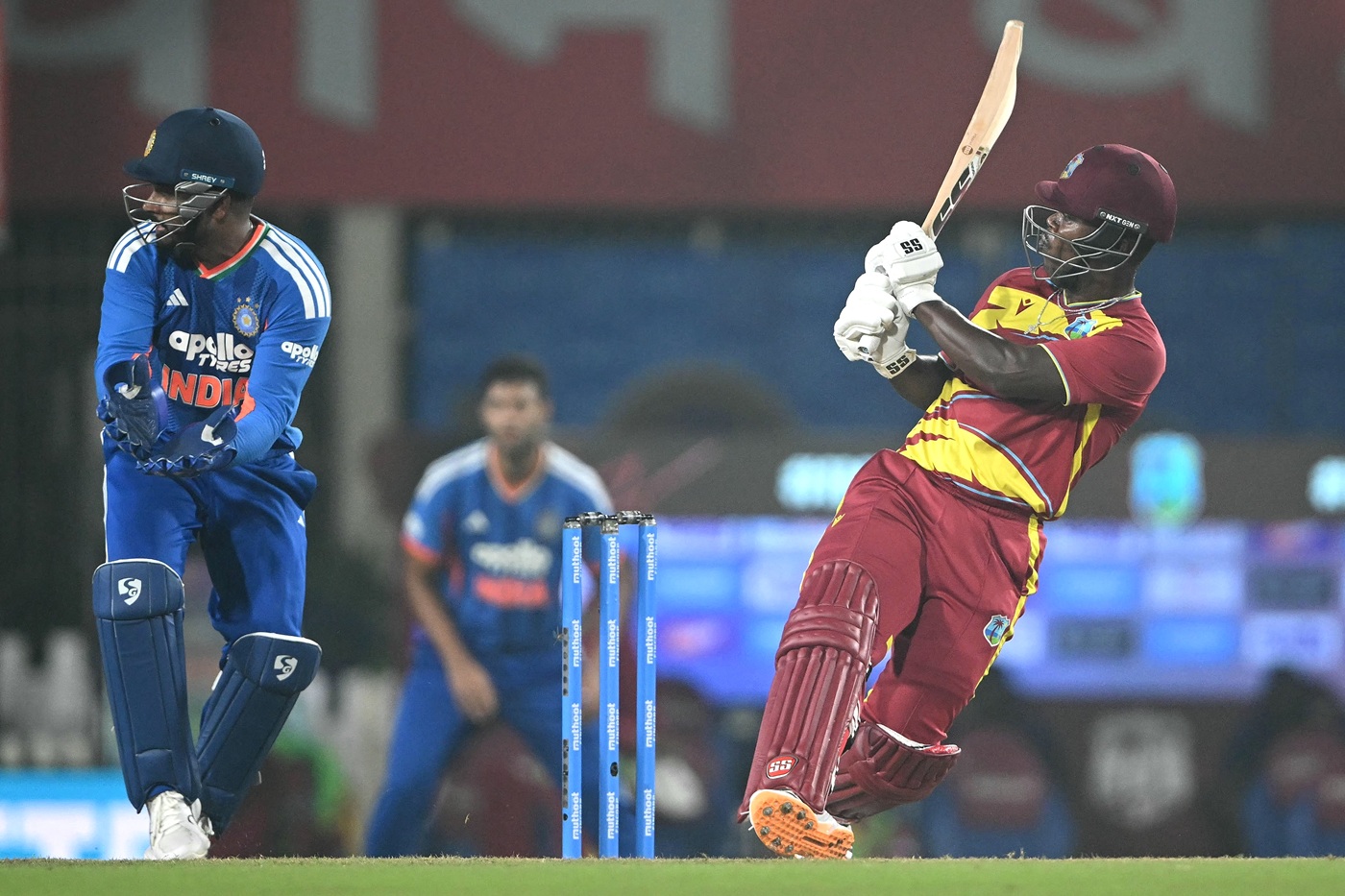
India and West Indies head into the third T20I with the series finely balanced and the batting fireworks showing no sign of slowing down. After a comfortable India win in Lucknow and West Indies’ stunning chase of 250 in Ranchi, the focus now shifts to Indore, where another run-laden contest looks highly likely.
A high-scoring series moves to Indore
The Holkar Stadium has long been known for producing entertaining T20 cricket. Short boundaries, a quick outfield and a surface that usually rewards clean hitting make it one of the more dangerous venues for bowlers in India.
In this series, that reputation has only grown stronger. Batters from both sides have found rhythm early, and neither bowling attack has consistently managed to slow the game down once momentum has shifted.
According to venue trends, the average first-innings score at Holkar Stadium is around 200 in T20 cricket, which is a clear sign of what the teams may be walking into. If conditions stay true to form, both batting units will be aiming high from the first over.
India’s bowling and fielding under pressure
For India, the biggest concern is no longer just opposition power-hitting, but their own ability to execute under pressure. The team has been criticised for dropped catches and fielding lapses in recent T20 internationals, and against West Indies, even small mistakes could quickly become costly.
West Indies have shown that they do not need many invitations. Their ability to keep scoring across phases, even in a steep chase, has made them one of the most dangerous limited-overs sides in these conditions.
India head coach Gautam Gambhir addressed the need to learn from setbacks rather than move on too quickly. He said, “You don’t shrug off any defeat. If you want to keep improving, you don’t want to put anything under the carpet.”
That message reflects the larger challenge for India. On flat wickets, bowling plans need to be tighter, field placements need to be sharper, and catching has to be cleaner if they want to stay ahead in games that can change in a few overs.
Dew could tilt the contest further
There is also the possibility of dew, which can make life difficult for bowlers in the second innings. A wet ball often reduces grip and can make even well-set plans look ineffective, especially for spinners and fast bowlers relying on control.
Gambhir acknowledged that reality, but also stressed that conditions cannot be used as an excuse. India, as world champions, are expected to find solutions even when the pitch and weather are against them.
That pressure adds another layer to this clash. This is not only about winning a match; it is about showing adaptability in a format where momentum is everything.
Another chase, another statement?
The series has already produced one major headline chase, and social media has latched on to the tone around it. After India’s record-breaking ODI chase of 406 in Guwahati, Shubman Gill’s “406? Cool” line became a talking point. West Indies captain Shai Hope then answered in style after the 250-run chase in Ranchi, with “250? Cool” quickly becoming another viral moment.
Those exchanges underline how normalised big scores have become in this contest. What once felt impossible now feels like part of the script whenever these teams meet on batting-friendly surfaces.
With the series level, the third T20I offers a fresh chance to seize control. India will want a response that restores confidence in their bowling unit, while West Indies will back their hitters to keep the pressure on.
Team balance and selection calls
Both teams are expected to stick closely to their current combinations, though India may consider adding Nitish Kumar Reddy depending on balance and conditions. With the pitch likely to stay true, team selection could come down to whether captains want extra batting depth or an additional bowling option.
The likely pattern is simple: batters will attack, bowlers will absorb pressure, and fielders may decide the margin. In that sense, Indore could produce another classic T20 script, one defined by quick scoring, tense moments and a final stretch where one clean spell or one missed chance makes all the difference.
The takeaway is clear. India and West Indies are not just chasing a series lead in Indore. They are also chasing control in a format where every over can reshape the result.