
Now Reading: Why the Premier League Is Now Ruled by Global Mega-Rich
-
01
Why the Premier League Is Now Ruled by Global Mega-Rich


The Premier League is the most powerful league in world football, but its ownership model has become a symbol of something much bigger. What began as a competition rooted in local identity is now dominated by global wealth, private equity and state-backed investment, leaving English football caught between tradition and economics.
A league built on money, not nostalgia
The modern Premier League is one of Britain’s biggest sporting exports, watched and followed across the world. Yet the clubs at its heart are now owned by some of the richest and most controversial figures in global business and politics, from Gulf investment funds to international billionaires and investment groups.
That shift has helped make the league richer, shinier and more globally marketable than ever before. But it has also raised a deeper question: what exactly is the Premier League, and who is it for?
For many fans, the answer still feels simple. Clubs remain tied to towns, cities and generations of families, even if the owners do not always share that bond. “Football clubs are not just assets,” one longstanding theme of the debate goes, “they are part of local life and identity.”
How ownership changed the game
English football has never existed in some pure, romantic age of benevolent ownership. Local businessmen, industrialists and wealthy backers have long influenced clubs, and the old stadiums of the 1980s were often bleak, unsafe and neglected. But today’s landscape is different in scale and speed.
Clubs are no longer merely businesses with local roots. They are now strategic assets in a wider global system, shaped by geopolitics, legal structures and financial engineering. That makes regulation far harder, because the people and institutions involved often have the resources to fight back at every step.
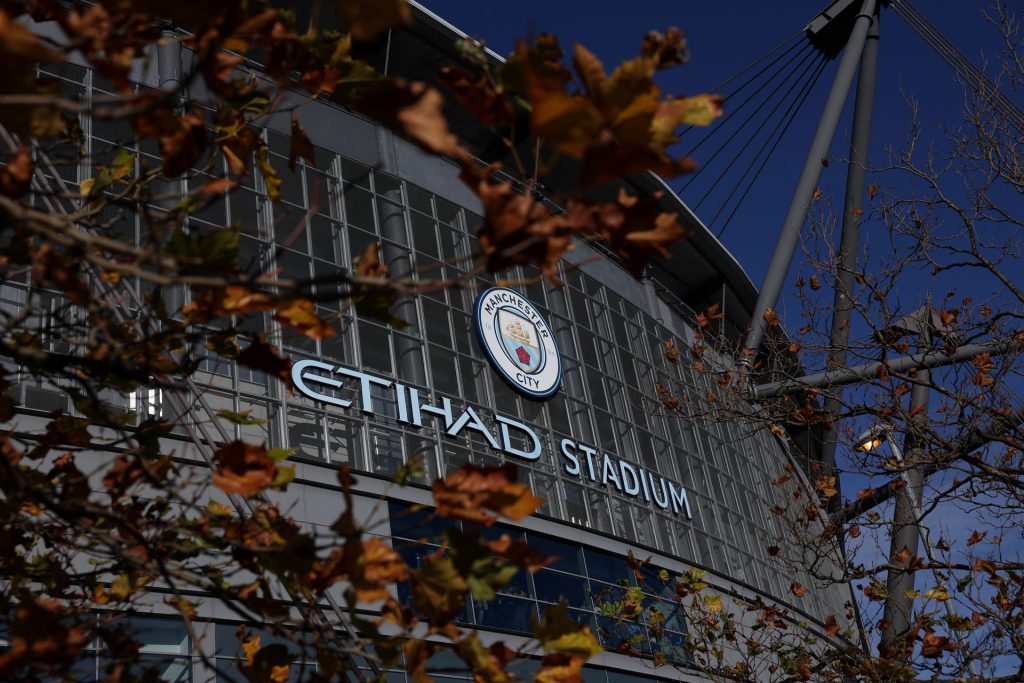
Recent cases have underlined that reality. Manchester City’s legal battle has shown how complex and drawn out challenges to elite clubs can become, while Chelsea’s ownership saga highlighted how rapidly football can be reshaped by sanctions, investigations and forced sales.
The price of being open to the world
The Premier League’s openness to foreign investment helped fuel its rise, but it also opened the door to a much bigger problem. Once football became attractive to global capital, it became difficult to argue that owners should be judged only by results on the pitch.
That tension has been central to the league’s modern success. Wealth brings stars, stadium upgrades and international attention, but it can also create a disconnect between decision-makers and the communities that give clubs their meaning.
Fans still turn victories into local celebrations. Arsenal’s title triumph, for example, was not just a sporting moment but a civic one, with support spilling into streets and households that have followed the club for decades. That connection remains real, even when ownership feels distant.
Can regulation fix the problem?
There is at least some belief that enforcement is getting stronger. Financial rules such as profitability and sustainability measures, and the newer squad cost ratio system, attempt to create boundaries in a sport that has often rewarded reckless spending.
But regulation can only go so far if the basic structure remains unchanged. If football continues to treat clubs primarily as tradable commercial products, then the richest owners will always have the biggest influence. The game may police spending, but it still cannot fully control power.
As one insight often repeated in this debate suggests, football has been willing to “allow something, make money from it and only deal with the damage later.” That may be a familiar British model, but in football it has produced a league that is both world-leading and deeply uneasy.
The German contrast
Germany’s 50+1 model is often held up as a safer alternative because it limits outside control and keeps members central to ownership. It has not prevented Bayern Munich from dominating domestically, but it has preserved a stronger sense that clubs are community institutions first and commercial brands second.
That balance is what many critics believe English football lacks. The current Premier League system does not completely erase identity, but it does make it easier for clubs to be treated as floating assets, traded and restructured according to the logic of the market.
A future shaped by the society around it
Ultimately, the Premier League’s ownership crisis may be less a football problem than a reflection of modern Britain itself. The league emerged from an economy and political culture that encouraged liberalisation, international investment and profit-led growth. In that sense, football did not drift away from society; it moved with it.
That is why a dramatic reset looks unlikely. Short of a financial crash or a complete rethink of what clubs are meant to be, elite football will probably remain in the hands of global mega-rich owners and powerful institutions.
The uncomfortable truth is that the Premier League is not an exception to the age we live in. It is one of its clearest expressions.
For supporters, that leaves a familiar conflict: the club remains theirs in spirit, even if it is no longer theirs in ownership. And that may be the defining contradiction of the modern game.