Now Reading: New Zealand split ODI squad for India series, Santner to lead
-
01
New Zealand split ODI squad for India series, Santner to lead


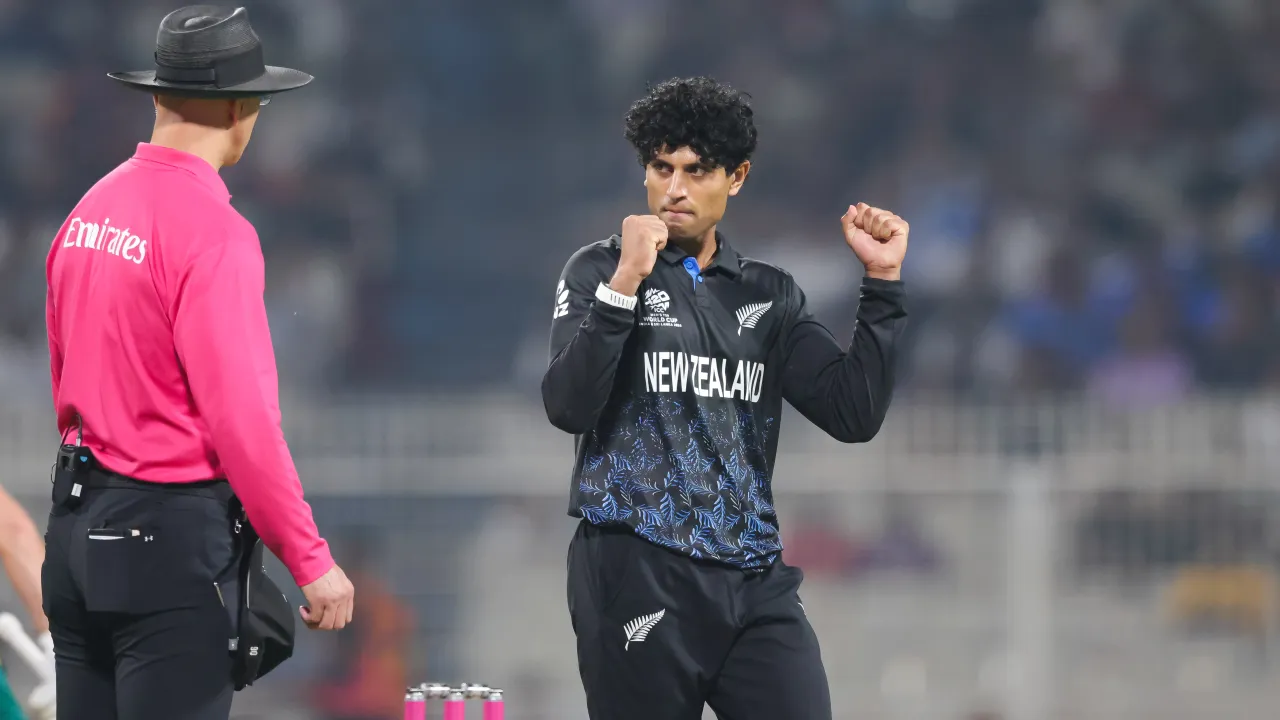
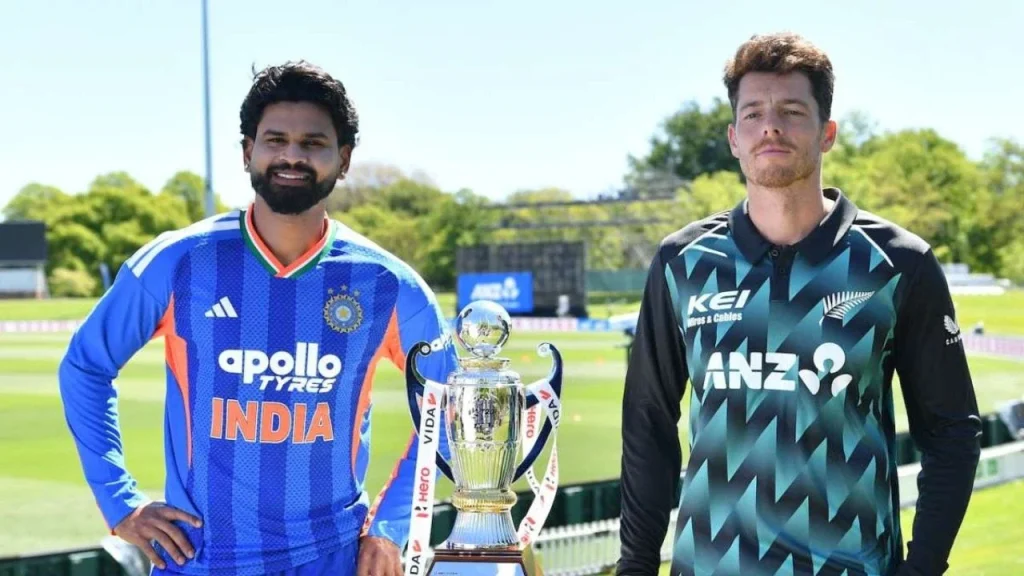
New Zealand have taken a bold, workload-aware route for their five-match ODI series against India, naming two separate squads across the contest and handing the leadership to Mitchell Santner. The move signals both ambition and planning, with the Black Caps eyeing a major home challenge while also keeping one eye on the 2027 ICC Men’s Cricket World Cup.
Split squad reflects workload management and long-term planning
The series begins on November 4, 2026, and opens a packed home summer that includes five T20Is from October 22 and a two-match Test series starting November 19 in Wellington. With such a demanding schedule, New Zealand have decided to manage senior players carefully and avoid overloading key names.
Several experienced cricketers will feature only in the first three ODIs before stepping aside for the final two matches to prepare for the Test series. That group includes Devon Conway, Matt Henry, Kyle Jamieson, Tom Latham, Daryl Mitchell, Glenn Phillips, Nathan Smith and Rachin Ravindra. The approach gives New Zealand room to test depth while protecting players across formats.
Santner remains at the centre of New Zealand’s ODI plans
Mitchell Santner will captain both halves of the squad, making him the constant in a changing setup. His leadership will be important not only against a strong Indian side but also in helping a split group stay balanced and competitive across the full series.
New Zealand coach Rob Walter underlined the bigger picture, saying, “First and foremost, this is a huge series for us, playing in front of our fans in full stadiums against a formidable Indian side. With the ODI World Cup just one year away, it’s important for us to also view these matches as valuable preparation for that event.”
Rachin Ravindra’s return boosts the first half of the series
One of the most encouraging selection calls for New Zealand is the return of Rachin Ravindra to the ODI setup. Ravindra missed the T20I leg after an injury suffered during a promotional advertisement shoot, but he is now available for the 50-over matches and adds quality to the batting order.
His return is timely, especially with India arriving for a high-profile series. Ravindra has become one of New Zealand’s most important young all-format players, and his presence gives the hosts extra flexibility at the top and in the middle order.
New Zealand will also be reassured by recent history. They beat India 2-1 in an ODI series in January 2026, claiming their first bilateral ODI series win on Indian soil. That result will give the hosts belief that they can again trouble a powerful Indian lineup, particularly in home conditions.
Different squads for different phases of the contest
The squad split becomes more striking in the final two ODIs, where New Zealand will turn to a fresh group. Finn Allen returns to ODI cricket after being absent since 2023, while Lockie Ferguson also comes back into the frame. Mitch Hay and Tim Seifert are named as wicketkeepers for those matches, with Tom Latham keeping in the first three games.
This structure creates a fascinating tactical storyline. The first three ODIs carry the feel of a near full-strength contest, while the last two offer an opportunity to assess fringe talent and returning players under pressure.
| Phase | Key names | Focus |
|---|---|---|
| ODIs 1-3 | Santner, Ravindra, Conway, Henry, Jamieson, Latham, Mitchell, Phillips | Strongest available group and series opening push |
| ODIs 4-5 | Santner, Allen, Ferguson, Hay, Seifert, Clarke, Fisher, Kelly | Rotation, depth testing, and World Cup audition |
India series set to test depth, rhythm and response
The challenge for New Zealand will be to keep momentum across both squads. Split selection can sometimes disrupt rhythm, but it can also reveal the team’s depth and adaptability. Against India, every game is likely to matter, especially with the opposition expected to bring strong batting resources and high-pressure situations.
For New Zealand, the series is not only about results. It is also about asking key questions before the next global tournament: who can handle top-tier opposition, who can cover multiple roles, and which combinations deserve more time together? That makes the India ODIs as much an evaluation exercise as a bilateral contest.
The home summer is shaping up as a major test of New Zealand’s cricketing balance. With senior names available early, returning players in the mix later, and Santner steering the side throughout, the Black Caps will hope the split-squad gamble pays off in both performance and preparation.
For fans, the series offers two stories at once: a serious contest against India and a glimpse into New Zealand’s future. If the hosts can combine both, this could become one of the most revealing white-ball series of their season.