


India’s latest Test squad announcement for the away series against New Zealand has sparked debate, not because of who made the cut, but because of who missed out. In a selection call that hints at long-term planning, the selectors left out promising bowlers Gurnoor Brar and Manav Suthar, choosing experience as India continues to juggle immediate Test Championship ambitions with future World Cup planning.
Selectors make a future-focused call
The omission of two young bowlers has drawn attention because India have recently shown a willingness to back fresh talent. Under Gautam Gambhir’s watch, the team management has often been seen as open to youth, but this time the balance tilted toward tested names for the New Zealand assignment.
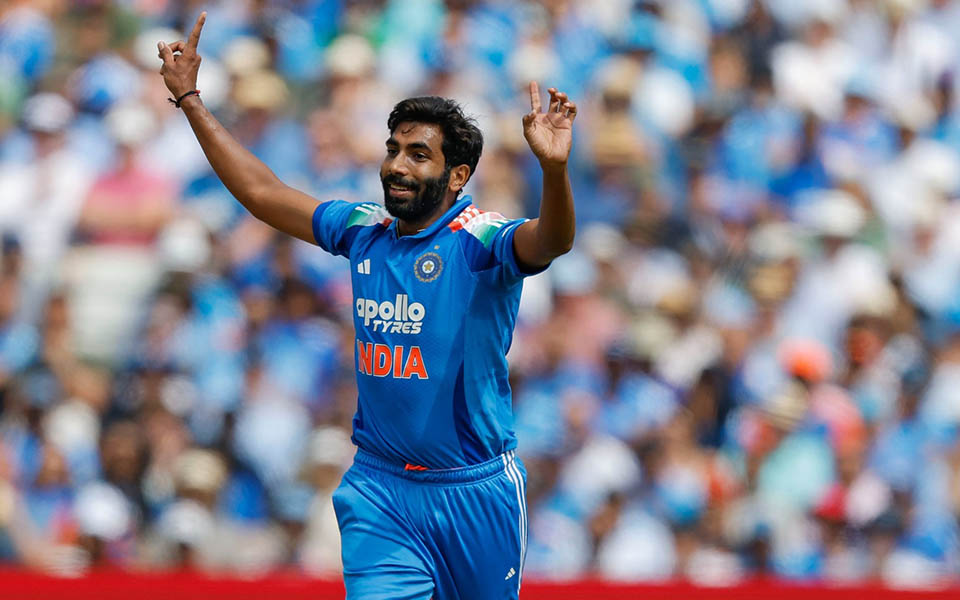
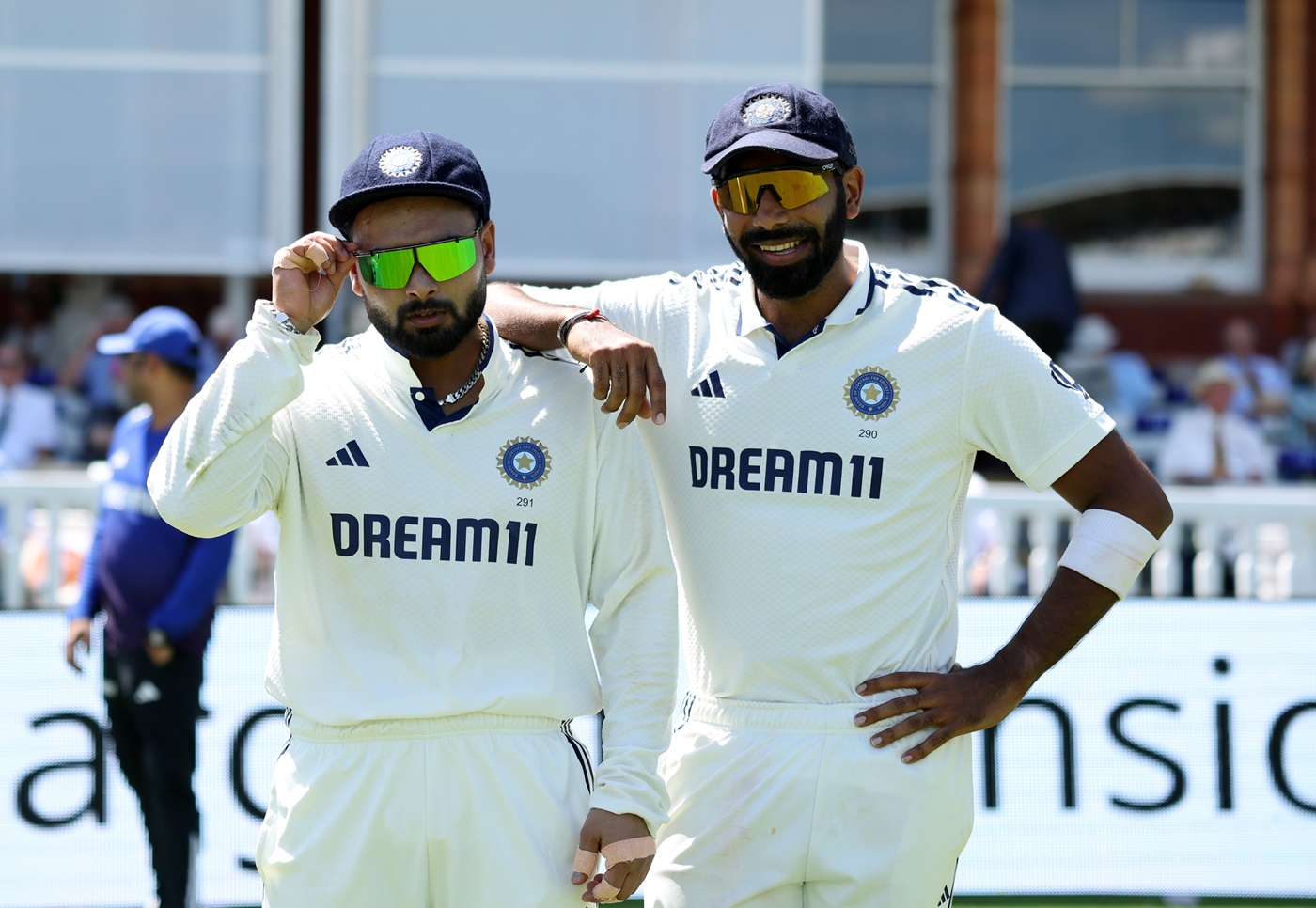
Experienced options such as Jasprit Bumrah, Mohammed Siraj, Washington Sundar and Kuldeep Yadav were included, underlining the importance of stability in a crucial away series. With India still in the race for the final of the ongoing World Test Championship cycle, every selection is being weighed against both current form and future workload.
Why Manav Suthar was left out
According to media reports, Manav Suthar’s exclusion is part of a broader management plan rather than a reflection of his ability. The report suggests that the left-arm spinner is being preserved for the upcoming Border-Gavaskar Trophy against Australia, a series India consider vital in their longer Test roadmap.
Suthar has already shown encouraging signs at senior level. He reportedly picked up 7 wickets against Afghanistan and added 10 and 6 wickets across two Tests against Sri Lanka, building a case as a bowler with genuine long-term value.
“The idea appears to be simple: keep some emerging options fresh for bigger battles ahead,” a source familiar with the selection thinking reportedly indicated.
That approach also reflects the physical demands of modern cricket. With a packed calendar and high-stakes fixtures across formats, India are trying to avoid burning out young bowlers too early.
Gurnoor Brar’s exclusion follows a different logic
Gurnoor Brar’s case is slightly different, though the logic is similar. He has already been used in India’s ODI setup and has taken 14 wickets in 9 ODIs, but he is still waiting for his Test debut. Rather than fast-tracking him into another format immediately, the management appears to be mapping his development more carefully.
Reports suggest Brar is firmly in India’s long-term plan for the 2027 ODI World Cup. That means selectors may prefer to keep him aligned with the white-ball structure rather than stretching him across multiple formats too quickly.
For a player still building his international identity, that can be viewed as both a setback and a vote of confidence. The setback is obvious: he misses a chance to enter the Test arena. The confidence lies in the fact that India clearly see him as a future asset.
WTC pressure changes the selection picture
The stakes around the New Zealand Tests are unusually high. India still need to stay in contention for a place in the World Test Championship final, and that has sharpened the focus on results. As per the report, the Shubman Gill-led side needs to win at least six of their next seven matches to remain alive in the race.
That kind of pressure naturally affects team composition. In away conditions, selectors often lean toward bowlers they trust to handle responsibility immediately, especially when the margin for error is thin.
| Key Selection Factor | Details |
|---|---|
| WTC pressure | India need at least 6 wins in 7 |
| Manav Suthar | Kept back for Australia Tests |
| Gurnoor Brar | Being preserved for 2027 ODI World Cup |
| Selected experience | Bumrah, Siraj, Sundar, Kuldeep |
A selection call built on workload management
What stands out most is the workload strategy. Rather than forcing every promising bowler into every available assignment, the management seems intent on tailoring roles. That could help India protect young players from burnout while also ensuring they peak for specific targets.
In theory, this is a practical approach. In reality, it will always invite scrutiny, especially when players with strong recent numbers are left out of a marquee Test series. Fans tend to view selection through current form, while management often sees a broader timeline.
That tension is now on display. India’s squad may look deeper and more experienced for New Zealand, but the conversation around Brar and Suthar proves that the next generation is already close enough to force debate.
What this means for India’s bigger roadmap
The bigger picture is becoming clearer. India are not just planning for one Test series; they are managing a multi-tournament cycle that includes the WTC and the 2027 ODI World Cup. That means the selectors are not simply choosing the best XI for today, but the most balanced pathway for the next few years.
For fans, the immediate question is whether this caution is wise. For the team management, the aim is to ensure that when each player arrives at the right moment, he does so fresh, prepared and in the correct format.
As one senior observer put it, selection at this level is no longer just about talent. It is about timing, role clarity and planning for the right stage of a player’s career. In that sense, the omission of Gurnoor Brar and Manav Suthar may say as much about India’s future as the names that were included for New Zealand.