
Now Reading: Bumrah, Akash Deep Back in India Test Squad
-
01
Bumrah, Akash Deep Back in India Test Squad


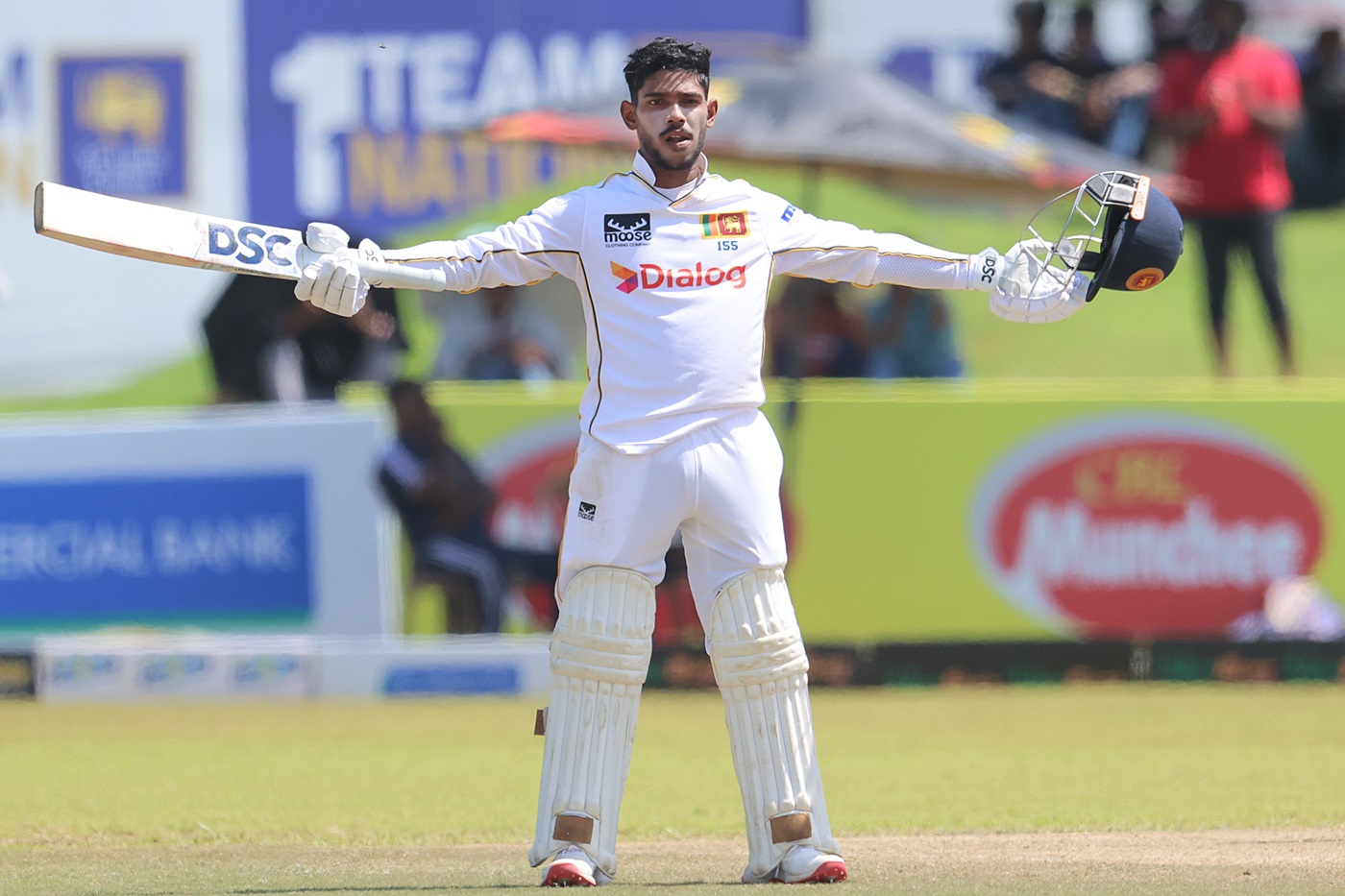
Jasprit Bumrah and Akash Deep are set to return to India’s Test squad for the upcoming New Zealand tour, a move that immediately strengthens the pace attack and sharpens selection debates ahead of the series. The return of two frontline quicks gives India more control, more depth, and a clearer plan for challenging conditions abroad.
Selectors lean toward experience and balance
The recall of Bumrah is the headline move. India’s lead pacer remains one of the most influential Test bowlers in the world, and his presence changes the look of the entire bowling unit. Akash Deep’s return is equally significant, as the management continues to value his ability to hit disciplined lengths and sustain pressure across long spells.
The squad selection reflects a familiar Test-match priority: combine proven quality with enough variety to adapt to different surfaces. With New Zealand expected to offer helpful conditions for seam bowling, India appear to be building a pace attack that can attack early and stay threatening deep into a match.
Why Bumrah’s return matters
Bumrah’s comeback is not just about wickets. It is about the impact he creates before the ball is even bowled. Batters must plan differently when he is in the side, and captains can use him as a strike option in nearly any phase of the innings.
One selection source view can be summed up simply: “When Bumrah plays, India can start the match with a wicket-taking plan instead of just containment.” That attitude often shapes the tone of the entire Test.
Akash Deep adds a fresh pace option
Akash Deep’s inclusion suggests the selectors are keen to keep a flexible seam-bowling group. He has emerged as a useful option with the new ball and can also contribute with reverse swing if conditions allow. His return gives India another fast-bowling choice without needing to overburden the senior names.
That balance becomes important on tours where workload management matters as much as raw skill. If India want to keep their bowlers sharp across multiple Test days, rotating pace options becomes a practical advantage rather than just a luxury.
Fitness questions still shape the bigger picture
While Bumrah and Akash Deep are the major returnees, the selectors are also keeping a close eye on other fitness-related decisions. India’s Test squad planning has increasingly revolved around injury management, rehab timelines, and whether all-rounders are ready to complete the balance of the side.
That broader context means this squad is not just about who comes in. It is also about who stays fit enough to hold their place. The New Zealand tour arrives at a time when India are trying to protect long-term bowling resources while still fielding a side capable of winning away from home.
What the bowling group could look like
India’s pace attack is likely to be built around a mix of experience and support roles. Bumrah leads that conversation automatically, but Akash Deep’s return ensures there is room for another seam option who can sustain pressure if conditions demand it.
New Zealand tours are often decided by how consistently a bowling unit can hit the right areas. India’s selection appears designed to do exactly that, while keeping enough variety to respond to swing, seam, and changing match situations.
| Player | Selection Status | Role |
|---|---|---|
| Jasprit Bumrah | Returns to squad | Frontline pace spearhead |
| Akash Deep | Returns to squad | Seam-bowling option |
| Other pace options | Under consideration | Support attack balance |
India’s Test outlook gets sharper
The biggest takeaway from these returns is simple: India are moving into the New Zealand tour with more firepower and more clarity. Bumrah adds match-winning threat, Akash Deep adds control and depth, and the selectors appear intent on avoiding a one-dimensional bowling group.
For a side preparing for away Tests, that matters enormously. India do not just need bowlers who can take wickets; they need bowlers who can do it in partnerships, in spells, and under pressure. That is exactly why this squad development feels so important.
If the final combination holds, India will head into the tour with a pace unit capable of challenging batters from the first session to the last. The selection may be simple on paper, but the message is loud: India want control, strike power, and a sharper edge in New Zealand.