
Now Reading: Australia’s Batting Collapse Leaves South Africa on Top
-
01
Australia’s Batting Collapse Leaves South Africa on Top


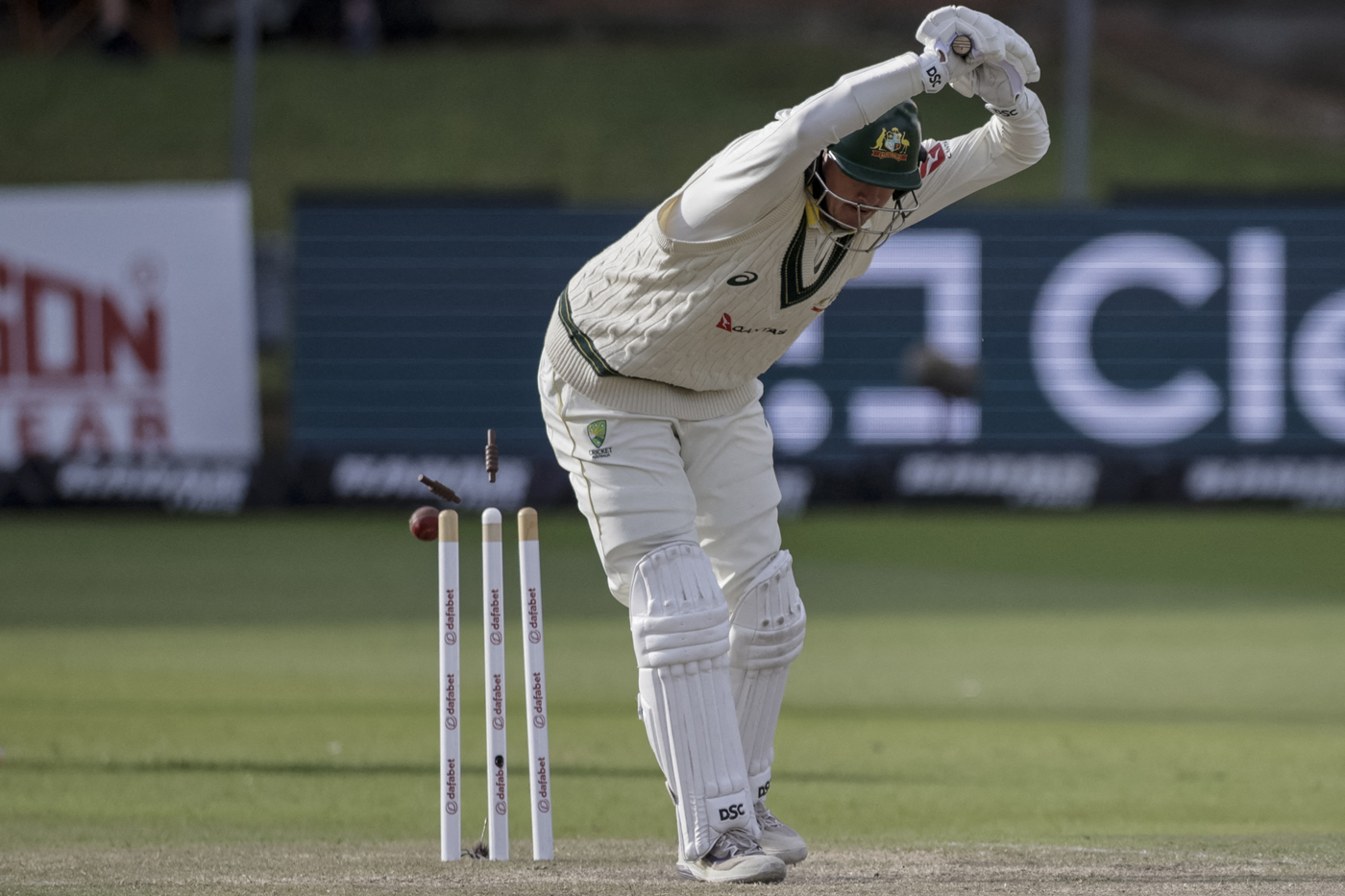
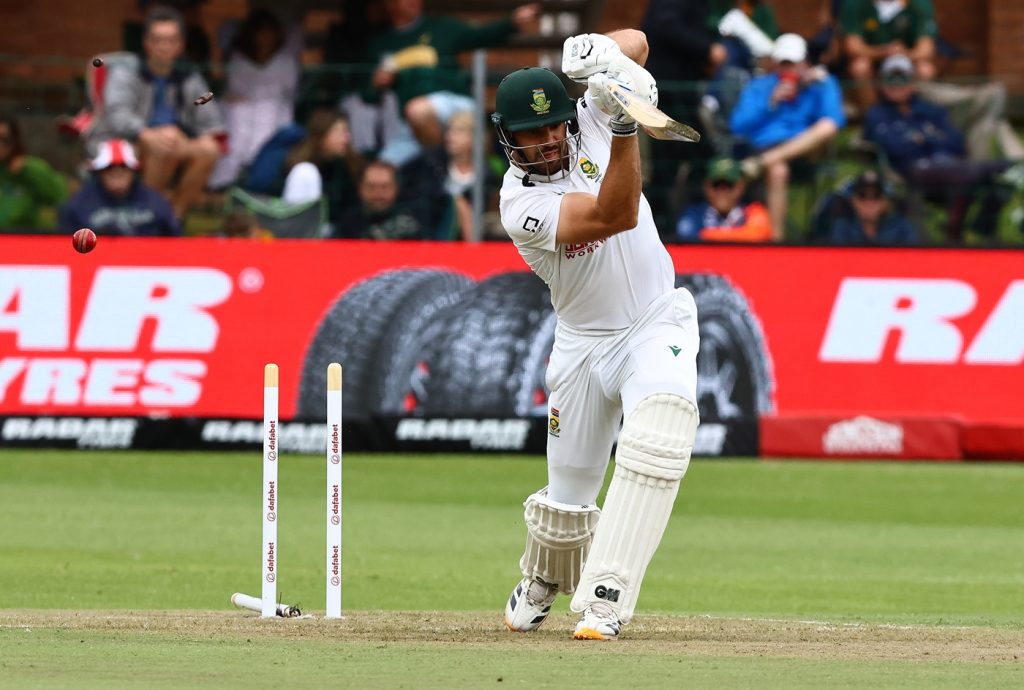
Australia’s second Test in Gqeberha turned sharply on its head as a heavy first-innings collapse left the visitors staring at a damaging defeat and a series-defining response. After winning the opener in Durban and arriving with a 1-0 lead, Australia were bundled out for 99 and forced to follow on against a South Africa side that seized momentum with ruthless precision.
South Africa seize control after Australia’s collapse
The match, played from October 18 to 22, 2026, had already shown signs of swinging South Africa’s way after they recovered from a shaky position to post 425 in their first innings. That total gave the hosts the platform they needed, and when Australia folded for 99, the balance of the Test changed completely.
It was only the third time since 1988 that Australia have been forced to follow on in Test cricket, a statistic that underlined just how rare and damaging this collapse was. The visitors did at least show resistance in their second innings, reaching 100 for 1 at one stage before closing day 4 on 156 for 4, still needing 170 more runs simply to avoid batting again.
Travis Head fights, but pressure keeps building
Travis Head remained unbeaten on 87 and gave Australia some hope of a late rescue. But the loss of Marnus Labuschagne, who lofted one to mid-on, sparked another surge from the South African bowlers and halted Australia’s attempt to build a serious comeback.
For much of the innings, South Africa kept the pressure constant. Their attack rarely allowed Australia’s batters to settle, and every small opening seemed to be followed by another dismissal or another spell of disciplined bowling that tightened the grip on the match.
McDonald admits the batting unit fell short
Australia coach Andrew McDonald did not hide from the scale of the failure. He pointed to the inability to form partnerships as a central issue and acknowledged that the collapse was too quick to defend.
“But there was some batter error there and I think we are better than that but, as it sits right now, I can’t defend that,” McDonald said, as quoted by Cricinfo.
“I think any time when anything unfolds at that speed, it takes a couple of players to communicate and navigate through that and we weren’t able to get any partnerships,” he added.
McDonald also chose to keep the bigger picture in view, stressing that one poor performance does not erase a strong overall record. Still, the timing of the setback will be hard to ignore, especially with Australia already dealing with scrutiny after recent losses in major matches.
“We’ve had some of these moments across the journey, so we’re not a perfect batting unit and I’ve never said that we are,” McDonald said.
South Africa’s bowlers deliver the decisive blow
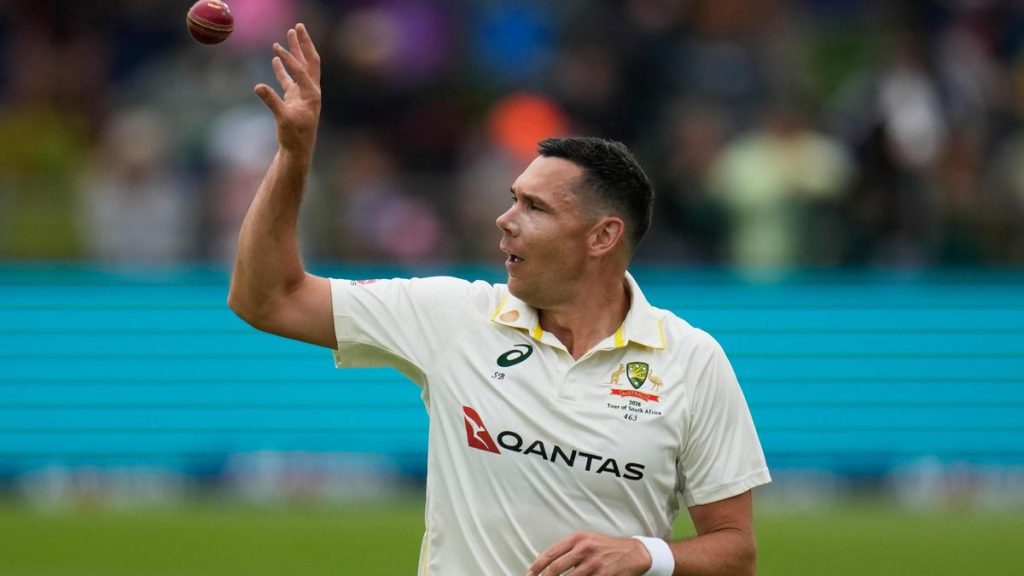
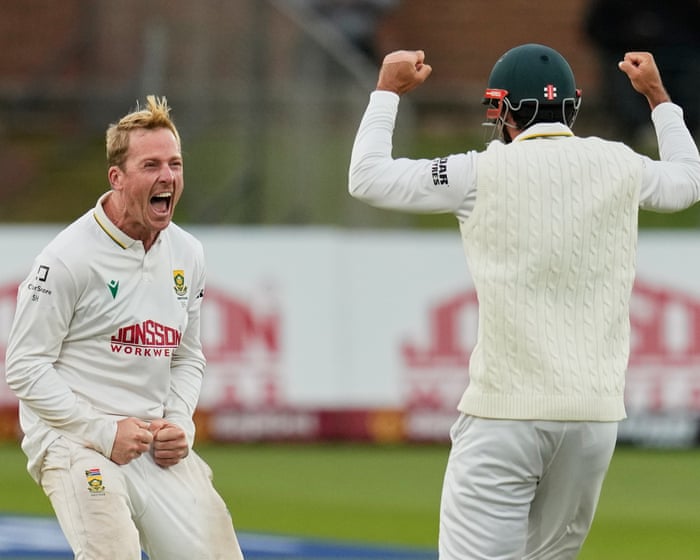
The numbers tell the story of South Africa’s control. Marco Jansen was outstanding with 5 for 33, using bounce and accuracy to slice through Australia’s resistance. Kagiso Rabada also made a significant impact on his return, while Simon Harmer played an important role in the overall effort as South Africa’s bowling unit repeatedly found ways to make the visitors uncomfortable.
Australia’s collapse came after South Africa had already shown resilience in the match, transforming their position from 97 for 5 on day 2 into a commanding total of 425. That recovery set the tone for the rest of the Test and highlighted the depth of the home side’s fight.
| Team | Score/Status |
|---|---|
| South Africa 1st innings | 425 |
| Australia 1st innings | 99 |
| Australia 2nd innings at stumps | 156/4 |
| Runs still needed to avoid follow-on pressure again | 170 |
| Marco Jansen figures | 5/33 |
Selection questions ahead of Cape Town
The final Test at Cape Town, scheduled for October 27 to 31, now carries added intrigue. Australia will need to respond quickly, both with the bat and in selection, after a performance that exposed several pressure points in the lineup.
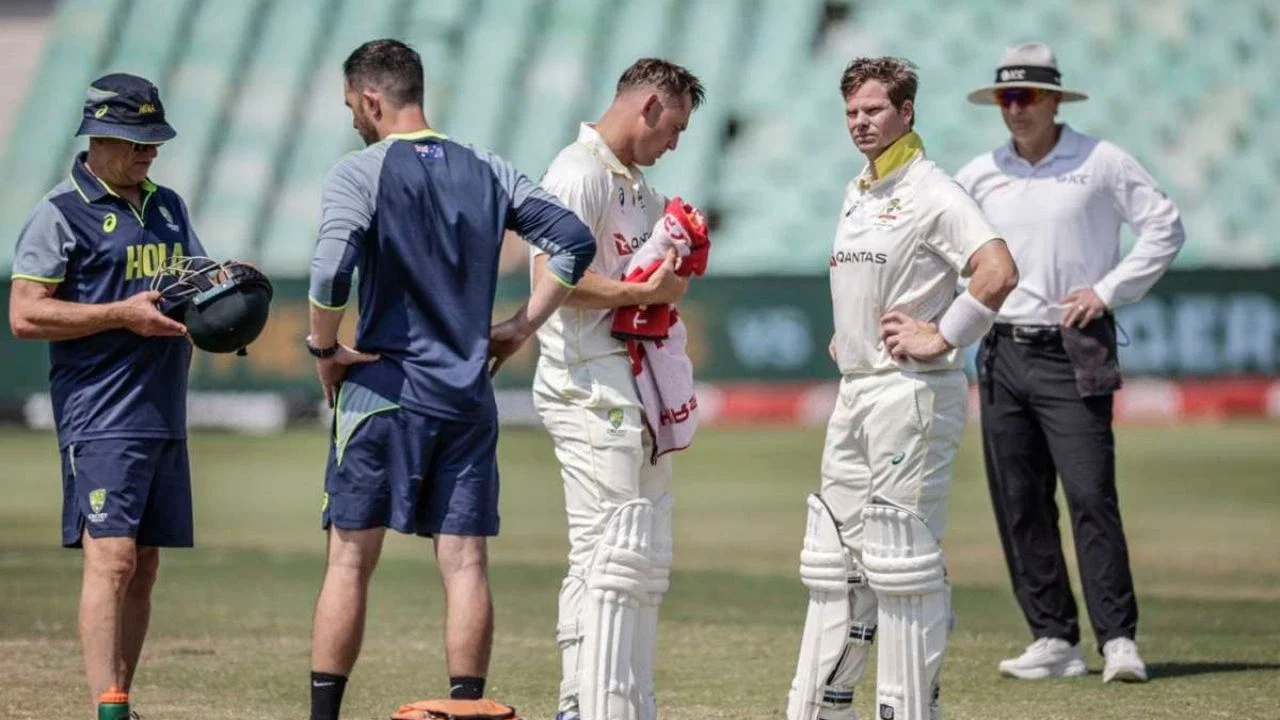
Cameron Green is available as a specialist batter after recovering from an abdominal strain, though he is unlikely to bowl. Steven Smith has been cleared to play after a neck issue that forced him down the order, while Josh Inglis and Cooper Connolly remain in the squad as further batting options. Uncapped Sam Harper was also brought in during the tour after Inglis was ruled out of the opening Test with a fractured finger.
Australia had not lost a Test series since their tour of India in 2023, but recent results have raised fresh questions about batting reliability. A World Test Championship final loss to South Africa last year and a recent defeat to Bangladesh in Darwin have only increased the scrutiny around a unit that, on this evidence, remains vulnerable when pressure arrives in waves.
For now, South Africa hold the edge, Australia face a fight to survive, and the final day in Gqeberha may yet decide whether this Test becomes a collapse remembered for a long time.