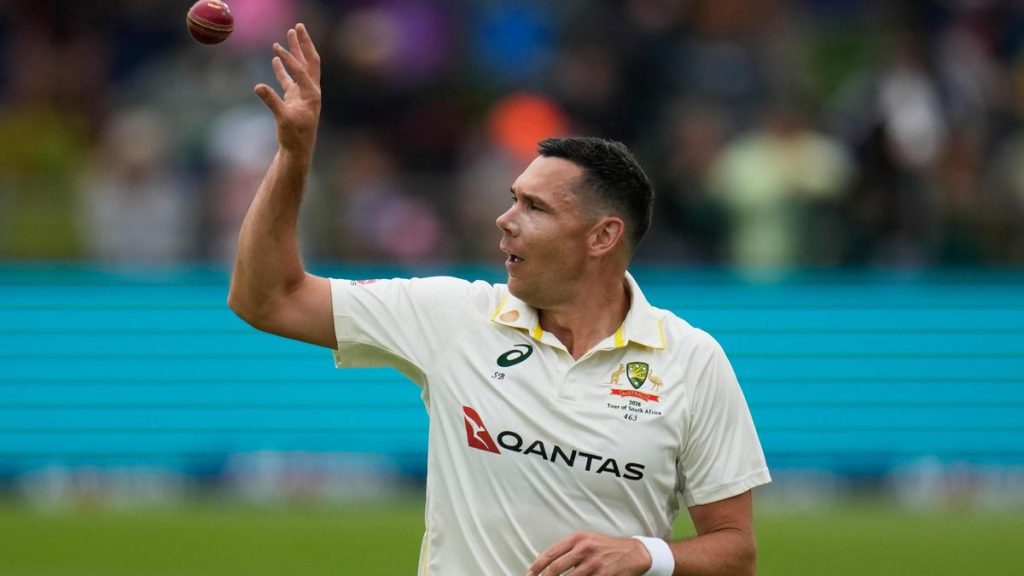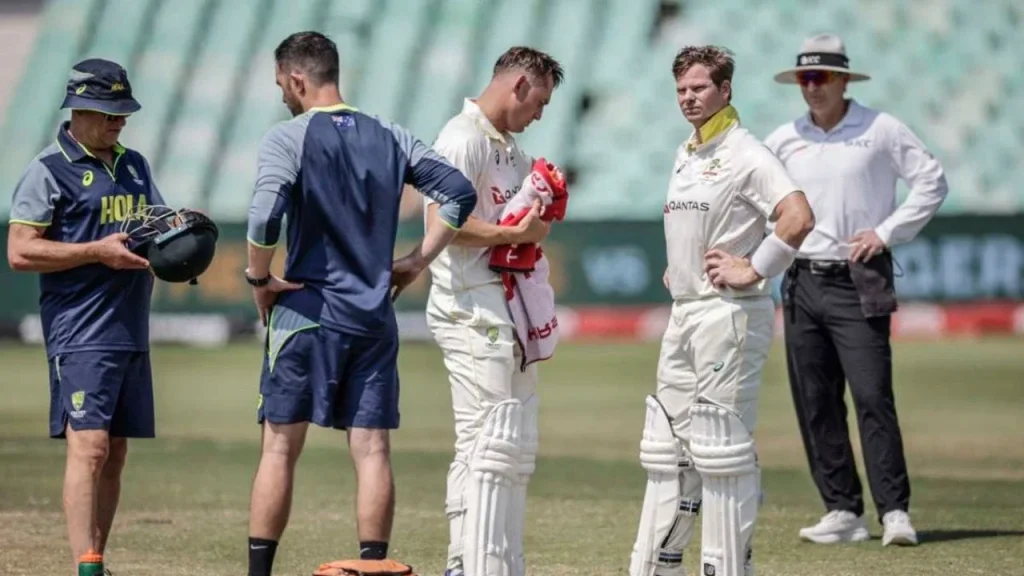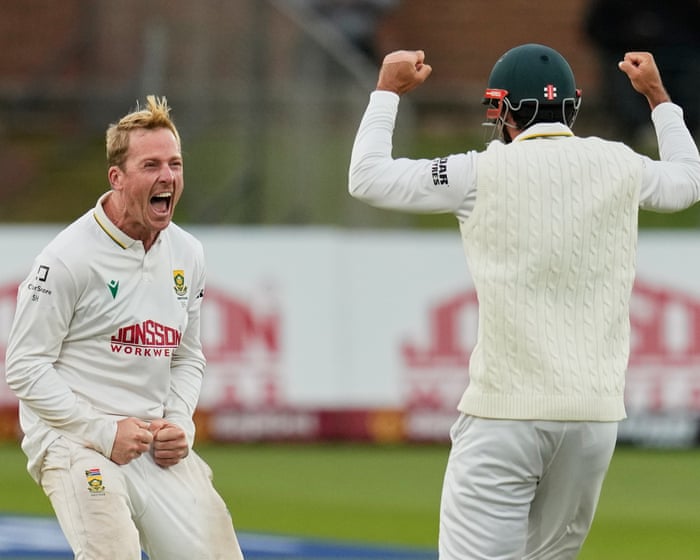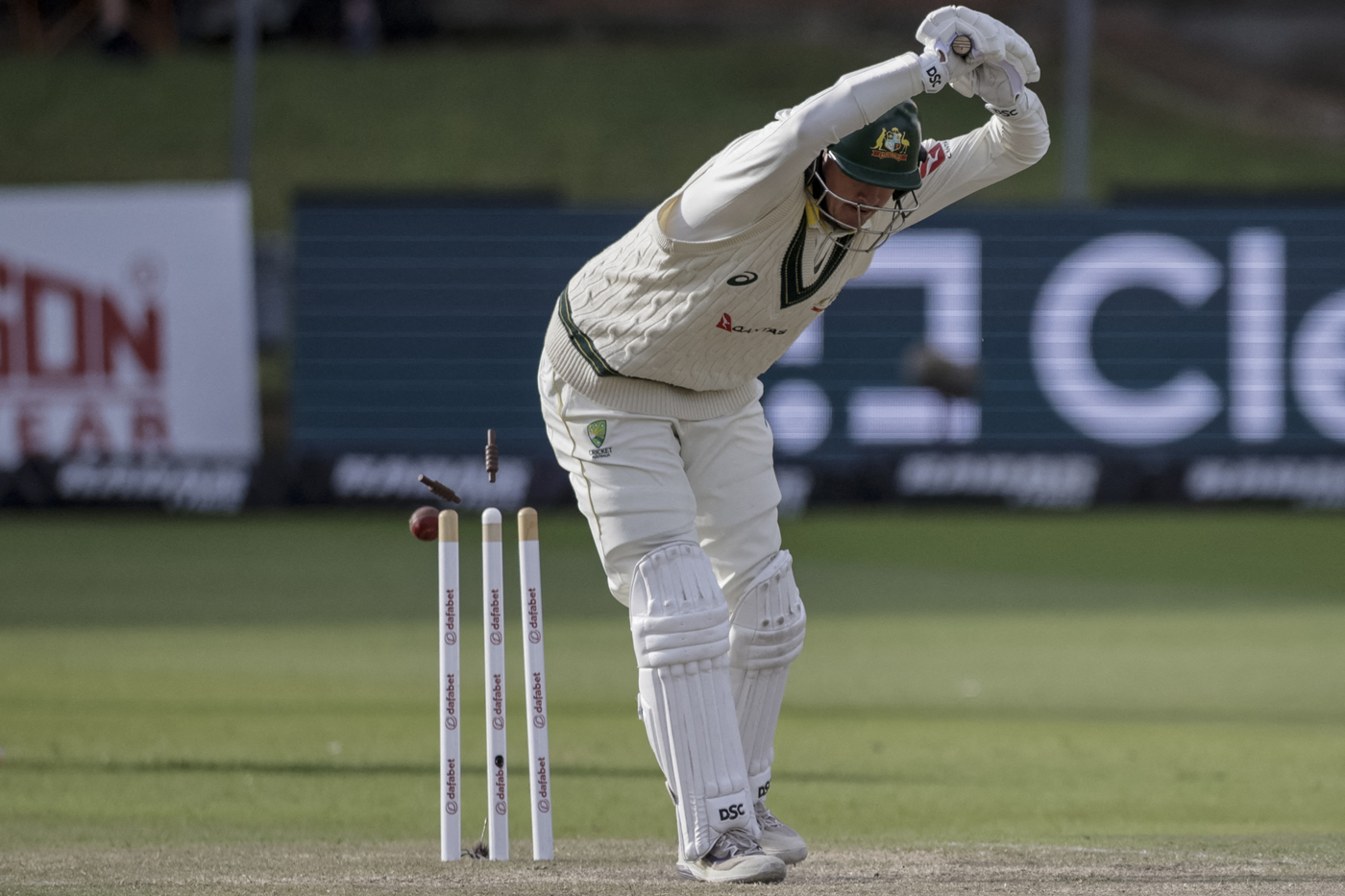



South Africa’s 214-run defeat to Australia in the first Test in Durban was more than just a poor result. It exposed familiar weaknesses, raised selection questions and left the Proteas with real pressure heading into the second Test in Gqeberha on Sunday.
With World Test Championship points on the line, the margin for error is shrinking fast. The Proteas now need answers, not just optimism, and the next match could shape the tone of the rest of the three-Test series.
1. The toss mattered more than South Africa could afford
There is no point hiding from the obvious: losing the toss hurt South Africa badly. Durban is traditionally a surface where batting first offers the better route, and the fourth innings has long been a difficult place to chase runs.
Had South Africa batted first, the match may not have unfolded the same way. They may still have lost, but the conditions strongly favoured the side that won the toss, and Australia used that advantage with ruthless precision.
Another early mistake to avoid in Gqeberha
The concern is that the same pattern could repeat at St George’s Park. If the pitch behaves as expected, batting last again could be a major disadvantage. South Africa cannot afford to be forced into a chase on a surface that deteriorates over time.
As one observation from the camp suggested, “You don’t want to bat last on a wicket like that.” That simple warning could decide the series if the Proteas do not start better.
2. The top order must deliver far more
South Africa’s batting card did not look convincing enough. Ryan Rickelton managed just two runs across his two innings, while captain Temba Bavuma contributed only four. For two of the top-order batters, those numbers simply do not stack up in Test cricket.
Aiden Markram and David Bedingham were the more assured performers, and both at least showed the ability to get started. But in Test cricket, starts are not enough when the opposition is applying pressure at every stage.
Selection pressure is building
The biggest question now is whether changes are needed. Kyle Verreynne will also face scrutiny as South Africa weigh up whether he can provide enough value with the bat, particularly if they want more stability in the top six.
There is also a possible opening for Marques Ackermann, but that would trigger further reshuffling. If Rickelton is dropped, South Africa must also decide who opens and how much stability they are willing to sacrifice for a fresh option.
3. The spin plan did not work as intended
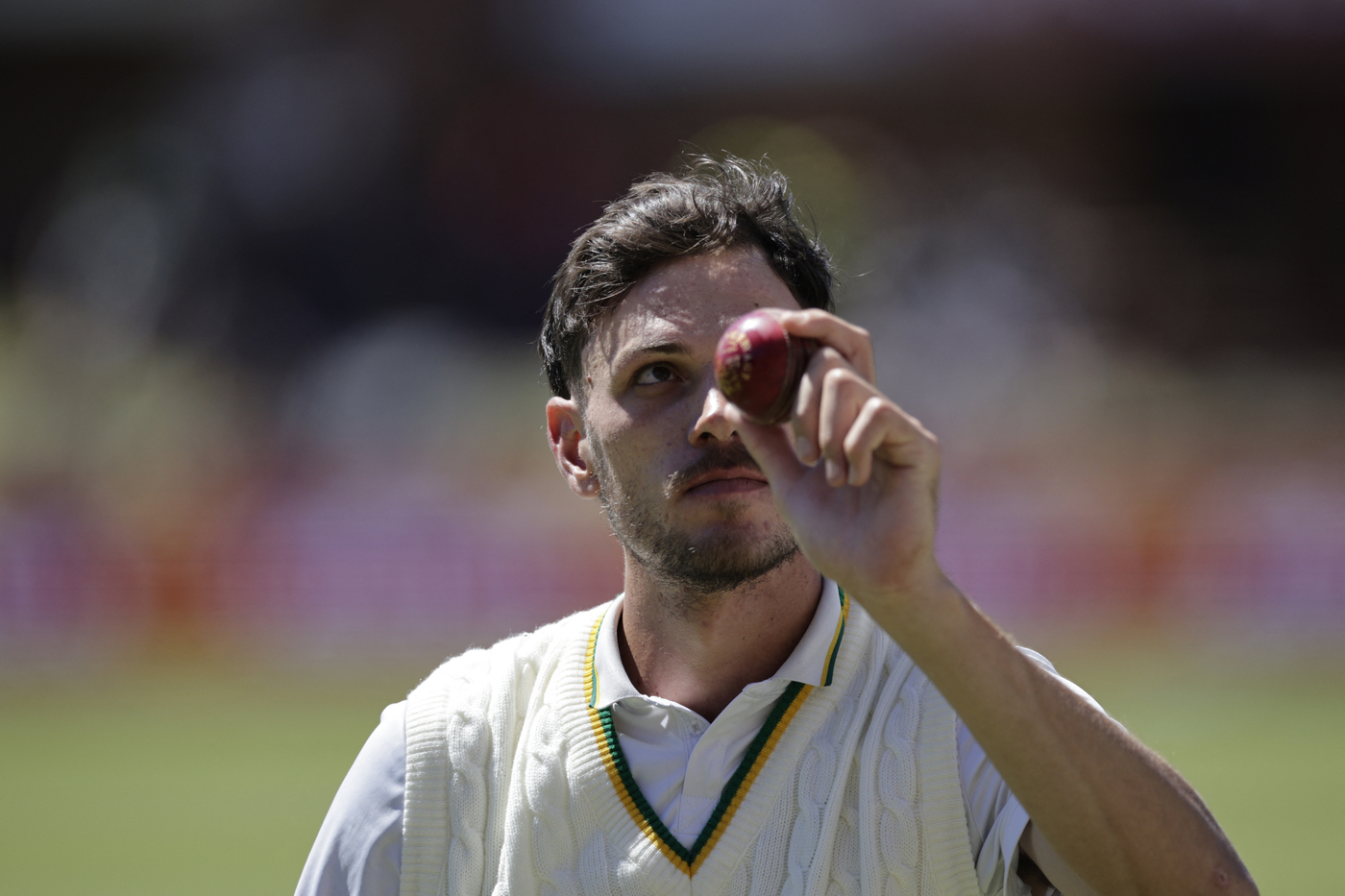
South Africa selected Simon Harmer and Keshav Maharaj specifically for the conditions, but the gamble did not pay off. Between them, the pair took four wickets for 320 runs in 82.2 overs, operating at close to four runs an over.
That is not the return expected from two frontline spinners chosen to exploit a pitch believed to suit them. Australia, by contrast, looked more controlled, and part-timer Matt Renshaw even outbowled the Proteas spin attack on the numbers, finishing with 2-30 in 13 overs.
Big call needed for the second Test
If Gqeberha also offers spin-friendly conditions, South Africa have a difficult decision to make. Do they persist with the same combination and hope for a better execution, or do they alter the balance of the attack to create more penetration?
The issue is not just wicket-taking ability. It is also about control, pressure and forcing mistakes. On the evidence from Durban, South Africa were not able to do that often enough.
4. Kagiso Rabada’s return changes the picture
The good news for the Proteas is that Kagiso Rabada appears likely to be fit for the second Test. He was seen steaming in during practice in Durban, and if he is cleared, he will almost certainly walk straight back into the XI.
That immediately creates a selection dilemma. South Africa would likely need to make room by dropping a spinner or reshuffling the pace attack. Anrich Nortje finished with 4-144 in 40 overs and had moments of threat, though his figures were not exceptional.
Who makes way?
Wiaan Mulder looks secure after contributing with both bat and ball, while Marco Jansen also seems difficult to leave out. That leaves a likely shoot-out between Rabada and Nortje, with the balance of evidence suggesting Rabada gets the nod.
His experience, pace and ability to strike in key moments could be decisive. Even if he is not bowling quite as sharply as in his peak years, Rabada still brings the kind of control and menace South Africa missed when the match slipped away in Durban.
5. Gqeberha offers hope, but history is mixed
South Africa’s record in Gqeberha is far from dominant. They have 15 wins, 13 defeats and five draws there, a sign that the venue can produce anything but certainty. The Proteas have won their last two Tests at the ground, but they also lost the two before that.
There is, however, one encouraging memory. In 2018, South Africa beat Australia at the same venue while chasing down 101, with Rabada starring as he ripped through the visitors for 11-150. That performance remains a reminder of how quickly he can shift a Test match.
What the Proteas must take from Durban
The key lesson is simple: South Africa need a more complete display across all disciplines. They cannot rely on one or two players to carry the load, and they must make better use of conditions if they are to stay alive in the series.
Durban showed the gap between potential and execution. Gqeberha now offers a chance to close it, but only if South Africa respond with urgency, clarity and a stronger game plan from the first ball.
| Key area | Durban issue | Gqeberha focus |
|---|---|---|
| Batting | Top order failed to build big scores | Start stronger and avoid fourth-innings pressure |
| Spin | Harmer and Maharaj lacked control and impact | Improve penetration or rethink selection |
| Pace attack | Nortje was threatening but not decisive enough | Rabada’s return could lift the attack |
South Africa still have time to recover, but the message from the first Test is unmistakable. They need a stronger batting response, sharper bowling plans and clearer selection calls if they want to level the series.