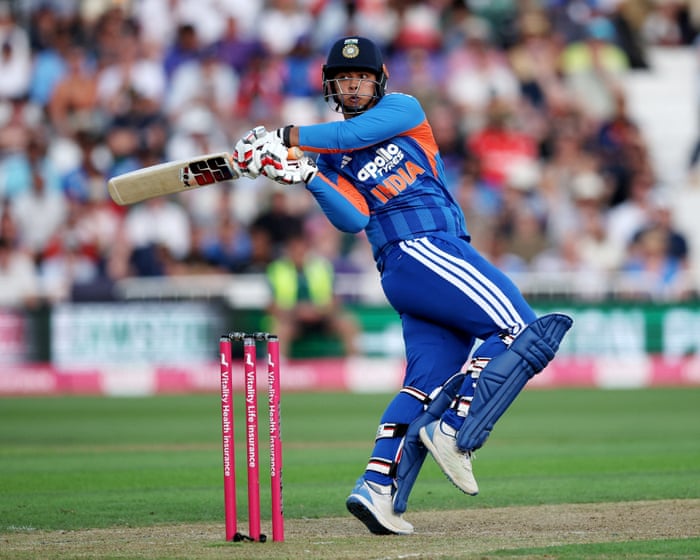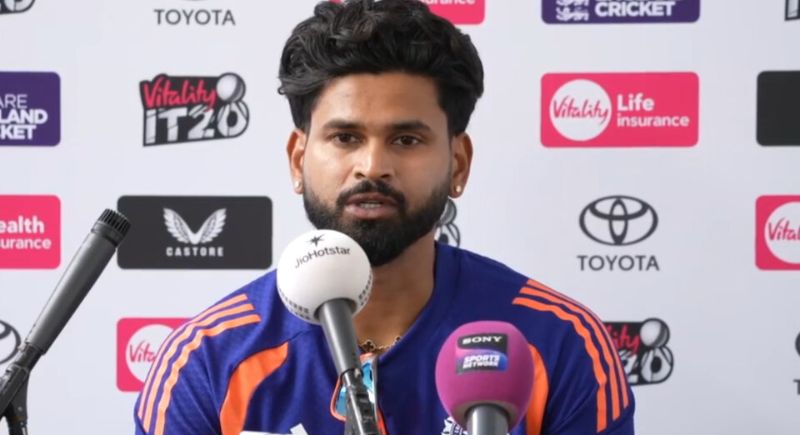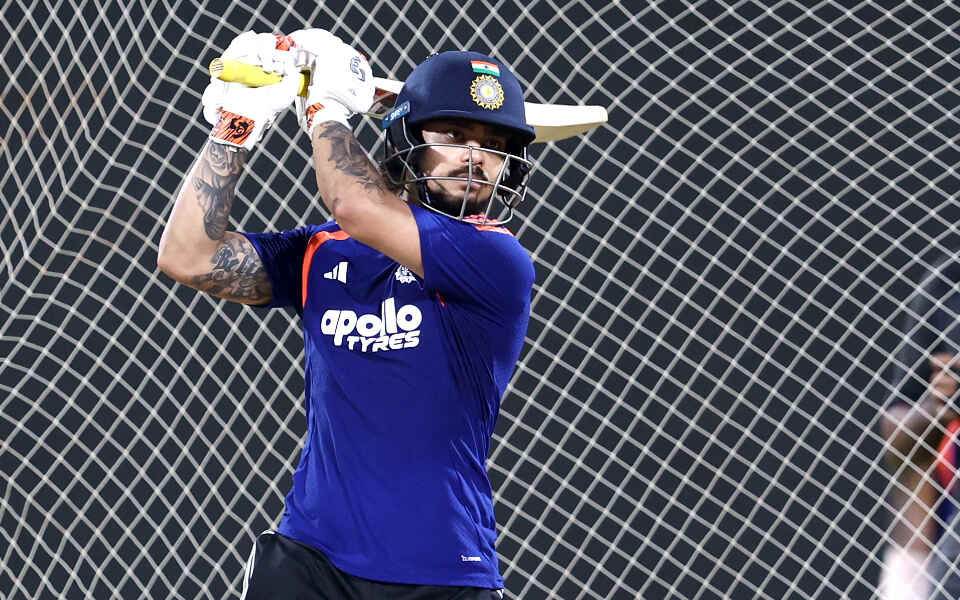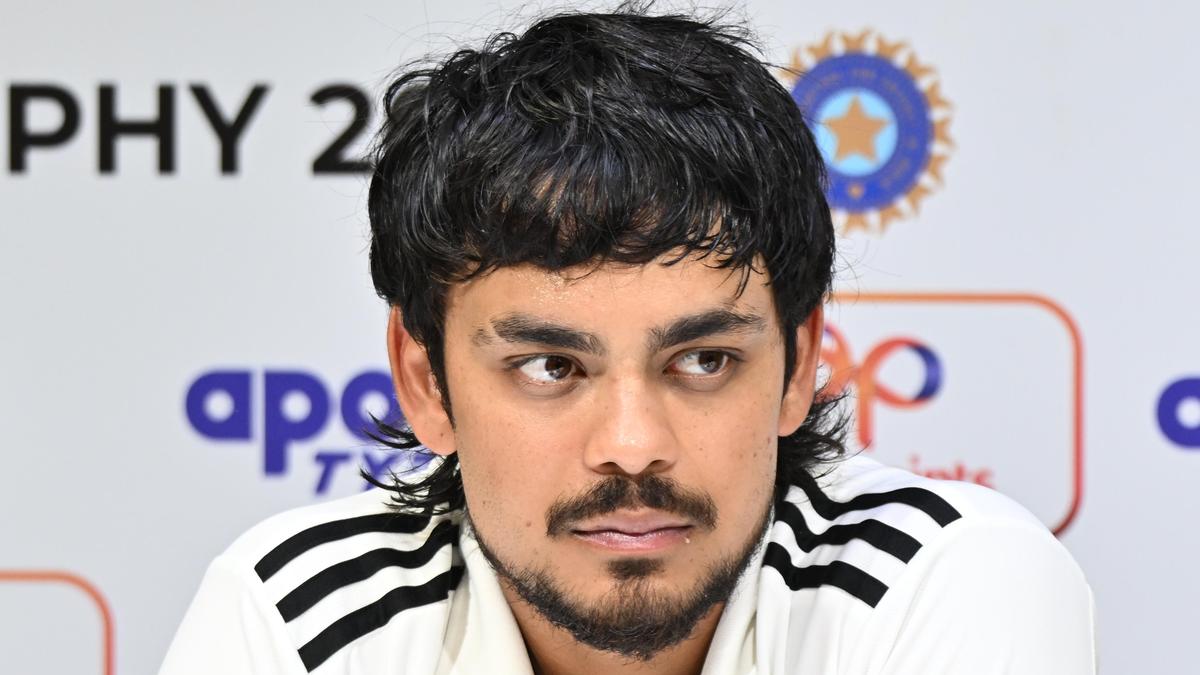



Vaibhav Sooryavanshi has quickly become one of the most talked-about young names in Indian cricket. The 15-year-old left-hander has impressed with fearless batting, but Afghanistan’s attack could provide his next major examination when India begin the three-match T20I series.
With Sooryavanshi expected to open the innings, the matchup becomes especially interesting. India will back the teenager’s form and intent, but Afghanistan have enough variety in their bowling unit to ask difficult questions early in the powerplay and in the middle overs.
The challenge for the young opener
Sooryavanshi’s rise has been built on clean striking and confidence against pace and spin alike. However, like many aggressive openers, he can be made uncomfortable by bowlers who change pace cleverly, attack the stumps, and force him to hit into awkward pockets.
That is where Afghanistan’s trio stands out. Naveen-ul-Haq brings variation, Rashid Khan offers elite control and deception, and Mujeeb Ur Rahman can squeeze batters through the powerplay with his off-spin. Together, they give Afghanistan multiple ways to slow down India’s momentum.
Naveen-ul-Haq’s variations could matter
Naveen-ul-Haq has re-entered Afghanistan’s T20I picture after a long gap, and his return adds another tactical weapon to the squad. He is not a raw pace bowler in the traditional sense; instead, he relies on cutters, slower deliveries and a sharp understanding of angles.
That style could be useful against Sooryavanshi, especially because the youngster has shown some vulnerability against right-arm pace. Across T20 cricket, Sooryavanshi has been dismissed 17 times by right-arm pacers, which makes Naveen an obvious matchup to watch.
His strike rate against right-arm pace is still explosive, but the dismissals suggest that disciplined seam bowling with variation can still force mistakes. In a short series, that small edge can become very important.
Rashid Khan remains the biggest threat
Few bowlers in world cricket are as reliable in T20 matchups as Rashid Khan. Even when he does not strike immediately, he often changes the rhythm of an innings and creates pressure that builds over time. Against Sooryavanshi, that control could be decisive.
Rashid has dismissed the teenager once and kept him relatively quiet in limited meetings. Sooryavanshi has scored 20 runs off just 12 balls against the Afghanistan star, which translates to a strike rate of 166.7 against one of the format’s best leg-spinners.
That figure may still look healthy on paper, but for a batter with Sooryavanshi’s usual standards, it is notably lower. Rashid’s ability to vary his pace, bowl wide of off stump, and attack the stumps with subtle drift makes him a real test in the middle overs.
Why Rashid’s role is so important
Even when Rashid is not taking wickets, he changes how a batting side approaches the innings. His presence can push openers to take extra risks against other bowlers, which is exactly the sort of trap Afghanistan will want to set for India.
As one Afghanistan analyst might put it, “Rashid does not always need a wicket straight away; he can build pressure that forces one later.” That kind of control can be especially valuable against an explosive teenager still learning how to manage elite bowling plans.
Mujeeb Ur Rahman adds another layer
Mujeeb Ur Rahman could be the third and perhaps most tactical challenge for Sooryavanshi. The off-spinner has the advantage of bowling in the powerplay, where even a small misread can change the rhythm of an innings.
Sooryavanshi has been dismissed twice by off-spin in his brief international career and has also fallen six times to offies overall in T20 cricket. Afghanistan may see that as a useful route, especially if they want to prevent the Indian opener from settling into a rhythm early.
Mujeeb’s strength lies in control, quick arm speed and subtle movement off the pitch. While Sooryavanshi’s aggressive intent means he can still score quickly against spin, the matchup offers Afghanistan another chance to disrupt India’s start.
| Bowler | Why he matters | Key stat |
|---|---|---|
| Naveen-ul-Haq | Right-arm pace with variations | 17 dismissals by right-arm pace |
| Rashid Khan | World-class leg-spin control | 20 runs off 12 balls, 1 wicket |
| Mujeeb Ur Rahman | Powerplay off-spin threat | 6 dismissals by offies in T20s |
What this battle could decide
Sooryavanshi’s talent is not in question. The bigger question is how quickly he can adapt to different bowling plans at the international level, especially when teams begin to study his patterns closely.
Afghanistan’s bowlers offer a mixed test: pace variations, wrist-spin deception and powerplay off-spin. If they strike early, the series could become a teaching moment for the Indian prodigy. If he gets away quickly, though, it may only confirm that his ceiling is as high as many believe.
The opening battle will be one of the most intriguing subplots of the series. Sooryavanshi arrives with huge attention, but Afghanistan have enough quality to make sure nothing comes easy.
In a contest built on matchups, discipline and nerves, the teenager’s first India home assignment could become a real statement game.