
Now Reading: Bavuma to Lead South Africa in ODI Series vs Australia
-
01
Bavuma to Lead South Africa in ODI Series vs Australia


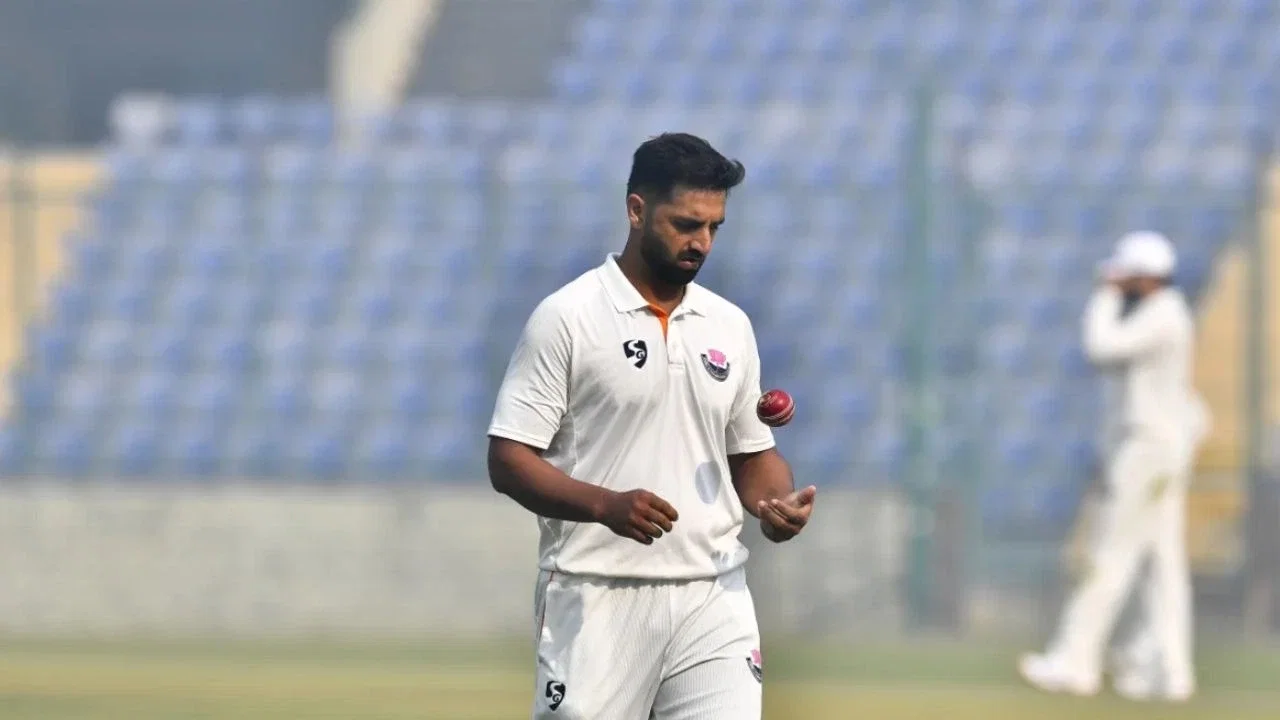
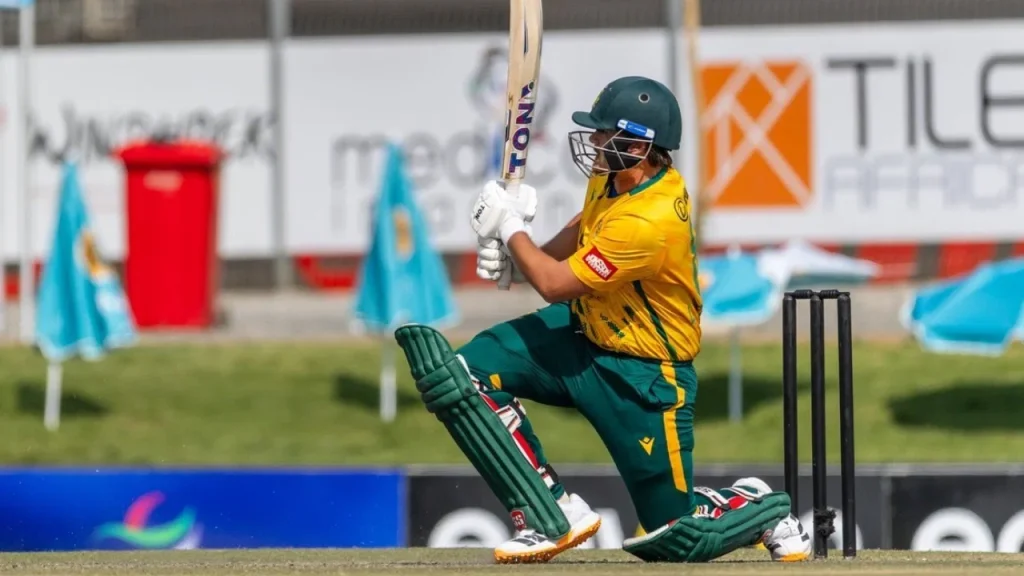
South Africa have named Temba Bavuma as captain for their one-day international series against Australia, a three-match contest that begins on September 24 and offers an early look at the Proteas’ World Cup planning. The headline selection is the return of Gerald Coetzee, while Kagiso Rabada is ruled out through injury.
World Cup build-up gets serious
With the 50-over World Cup now just over a year away, this series carries more weight than a standard bilateral contest. South Africa are using the Australia games to test combinations, settle roles and give several players a clear chance to strengthen their case for future selection.
Coach Shukri Conrad made that intent plain, saying the series is “an important step in shaping the squad as we build towards the tournament.” It is a message that underlines how every performance from here will matter.
Rabada’s absence changes the pace attack
The biggest omission is Rabada, who misses the series because of injury but remains hopeful of being fit for the Test matches that follow. His absence leaves a notable gap in South Africa’s seam attack, especially against a strong Australia line-up that traditionally rewards pace and control.
In his place, South Africa have assembled a varied fast-bowling group featuring Ottneil Baartman, Kwena Maphaka, Lungi Ngidi, Corbin Bosch, Marco Jansen and Coetzee. The recall of Coetzee is particularly significant, giving the selectors another look at a bowler with the raw speed to change games quickly.
Middle order balance and selection calls
The squad also brings a few notable batting decisions. Dewald Brevis misses out, with Matthew Breetzke, David Miller and Tristan Stubbs preferred as middle-order options. That choice suggests South Africa are leaning toward experience and flexibility as they prepare for a demanding series.
Quinton de Kock and Ryan Rickelton add further depth at the top and behind the stumps, while Tony de Zorzi and Aiden Markram provide additional batting variety. Markram is only available for the second and third matches, which adds another layer of planning for the management.
“This series marks an important step in shaping the squad,” said coach Shukri Conrad.
That line sums up the mood around the tour. South Africa are not simply trying to beat Australia; they are also trying to understand which players can handle pressure, adapt quickly and stay relevant in a crowded ODI picture.
Spin options and squad depth
South Africa have included two specialist spinners in Bjorn Fortuin and Keshav Maharaj. Their presence should help provide balance on home pitches, especially if conditions in Durban, Johannesburg and Potchefstroom begin to offer more grip as the series progresses.
Jansen’s left-arm pace, Ngidi’s experience and Maharaj’s control give the Proteas a rounded attack on paper. The challenge will be turning that balance into consistency against an Australia side that is rarely generous in ODI cricket.
Recent head-to-head adds extra edge
The numbers add extra intrigue to the series. South Africa and Australia have met in 113 ODIs, with the Proteas leading the rivalry 57-52. There have also been three ties and one abandoned match.
At home, South Africa also hold the edge, leading 28-22 in matches played in the country. Those figures will comfort the Proteas, but Australia’s quality ensures there is little room for complacency.
| Stat | Figure |
|---|---|
| Total ODIs | 113 |
| South Africa wins | 57 |
| Australia wins | 52 |
| Ties | 3 |
| Abandoned | 1 |
| South Africa at home | 28-22 |
Three matches, three chances to impress
The series opens in Durban on September 24, before moving to Johannesburg on September 27 and then Potchefstroom on September 30. Across those three fixtures, South Africa will want answers on leadership, batting depth and bowling combinations.
The stakes are not limited to the scoreline. For players on the fringe, this is an audition. For the management, it is a chance to see who can handle Australia’s intensity and still deliver under pressure.
South Africa’s ODI squad feels carefully balanced, but Rabada’s injury is a reminder that no preparation is ever perfect. Bavuma now carries the captaincy, the selectors have backed experience in the middle order, and Coetzee’s return offers a fresh pace weapon. The series may be brief, but the implications could stretch all the way to the World Cup.