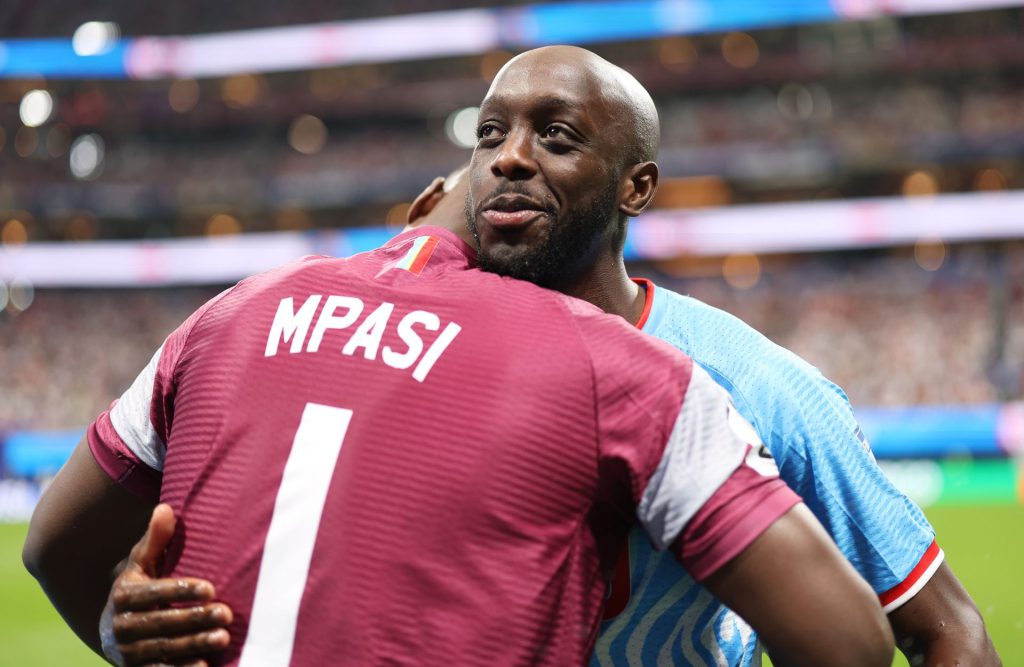



FIFA is under renewed pressure after reports revealed that the governing body allowed the Democratic Republic of Congo to continue in 2026 World Cup qualifying despite internal findings that goalkeeper Lionel Mpasi was not eligible. The controversy, detailed in a New York Times investigation, has triggered fresh questions about how football’s global authority applies its own rules.
The case is especially sensitive because the dispute did not emerge quietly. It followed a formal appeal from the Nigeria Football Federation after Nigeria lost a continental play-off to DR Congo. Nigerian officials argued that Mpasi’s international switch had not been properly completed through the required FIFA paperwork, and that the match outcome should not have stood.
How the dispute began
According to the report, FIFA’s internal reviews established that Mpasi, a former France youth international, had not received the administrative clearance needed to represent DR Congo during qualification. That finding, if enforced in the usual way, could have led to sanctions or even a forfeit result.
Instead, FIFA dismissed Nigeria’s complaint on a technicality and declined to overturn the result. The decision allowed DR Congo to keep moving forward, ultimately reaching the intercontinental play-off and beating Jamaica to book their first World Cup appearance in 52 years.
What FIFA found
Documents cited in the investigation suggest FIFA officials knew the eligibility issue existed while the qualification campaign was ongoing. That detail is likely to intensify criticism from Nigeria, which believes the failure to act deprived it of a fair route to the tournament.
| Key issue | Details |
|---|---|
| Player involved | Lionel Mpasi |
| Finding | Administrative clearance was missing |
| Nigeria’s claim | Match should be overturned |
| FIFA outcome | No sanction, result stood |
Why the decision has caused anger
For Nigeria, the issue is not just procedural. The belief is that a basic registration error changed the outcome of a high-stakes qualification battle. In football, eligibility breaches are usually treated strictly, with standard practice often leading to automatic forfeits when an ineligible player is fielded in an official match.
That is why this case has drawn so much attention. FIFA has previously acted firmly in similar situations, including the widely referenced example of Bolivia losing points during 2018 World Cup qualification for fielding an ineligible player. Against that backdrop, the DR Congo ruling stands out and invites uncomfortable comparisons.
FIFA’s defense
In response to the report, FIFA said its judicial process had been followed correctly and insisted there was no executive interference. The governing body added that its committees are autonomous and make decisions based on the regulations in force and the specific facts of each case.
FIFA also stated that president Gianni Infantino was not involved in the proceedings. Even so, the optics of the situation have already created a storm, especially because the issue centers on a clear eligibility question rather than a subjective on-field call.
What DR Congo achieved after the ruling
Once the eligibility dispute was set aside, DR Congo’s path to the World Cup opened up. The Leopards beat Jamaica in the intercontinental play-off and carried that momentum into the tournament in North America. Mpasi remained their starting goalkeeper, while Newcastle United striker Yoane Wissa led the attack.
DR Congo then navigated a difficult Group K that included Portugal, Colombia and Uzbekistan before eventually exiting in the Round of 32 against England. Their campaign was historic regardless of the controversy, but the latest revelations now cast a shadow over how they got there.
| Competition stage | DR Congo outcome |
|---|---|
| Intercontinental play-off | Beat Jamaica |
| Group stage | Advanced from Group K |
| Round of 32 | Lost to England |
| World Cup return | First appearance in 52 years |
What happens next?
The biggest question now is whether this case becomes a broader test of FIFA’s disciplinary standards. If the governing body already knew Mpasi lacked the required clearance, critics will ask why the usual penalty was not applied. Supporters of FIFA’s position will argue that the procedural details mattered and that the committees acted within the rules.
Either way, the story has landed at a moment when transparency and consistency are under the microscope in world football. As one official familiar with eligibility disputes put it, “When the rules are clear, the process has to be even clearer.”
For Nigeria, the issue will remain painful. For FIFA, the challenge is now reputational: explaining how an acknowledged breach could still lead to no sanction, no forfeiture and, ultimately, a World Cup place for DR Congo.