
Now Reading: Infantino Apologises as FIFA Council Demands Answers
-
01
Infantino Apologises as FIFA Council Demands Answers


Gianni Infantino has apologised to the FIFA Council after the fallout from his secret World Cup sell-off plan, but the meeting ended with a sharper message: the president still has questions to answer before many inside the game are ready to move on.
Apology lands, but trust remains fragile
The FIFA Council gathered in Zurich for its first meeting since the Fifa Forward Enterprise, or FFE, proposal emerged. Under the plan, which Infantino later scrapped within days, a portion of football’s commercial rights would have been handed to a private investment firm.
In a video statement released by FIFA after the three-and-a-half-hour session, Infantino said he had apologised for the “mistakes” made in the communication and consultation process surrounding the project. He stressed that the proposal was never a final deal, adding that it was designed to help FIFA invest more in member associations.
The tone from some council members, however, suggested the apology did little to settle the bigger concern: why the proposal was pursued in the first place, and why so many of its details were not shared more openly.
Questions over documents and decision-making
Football Association chair Debbie Hewitt, who also serves as a FIFA vice-president, said the meeting was frank and open, but that many questions remained unanswered. She said council members had asked for the FFE papers and had not received them, even after raising the issue directly in the room.
“If he doesn’t answer those questions no, he’s not fit to be Fifa president,” Hewitt said, reflecting the force of the criticism heard inside the meeting. She also said Infantino’s apology carried “some contrition”, but added that many members wanted more than regret: they wanted the underlying documents.
“If you regret it that deeply, share it with us,” Hewitt said, summing up the mood among those pressing for transparency.
Balogun case, Peace Prize and wider concerns
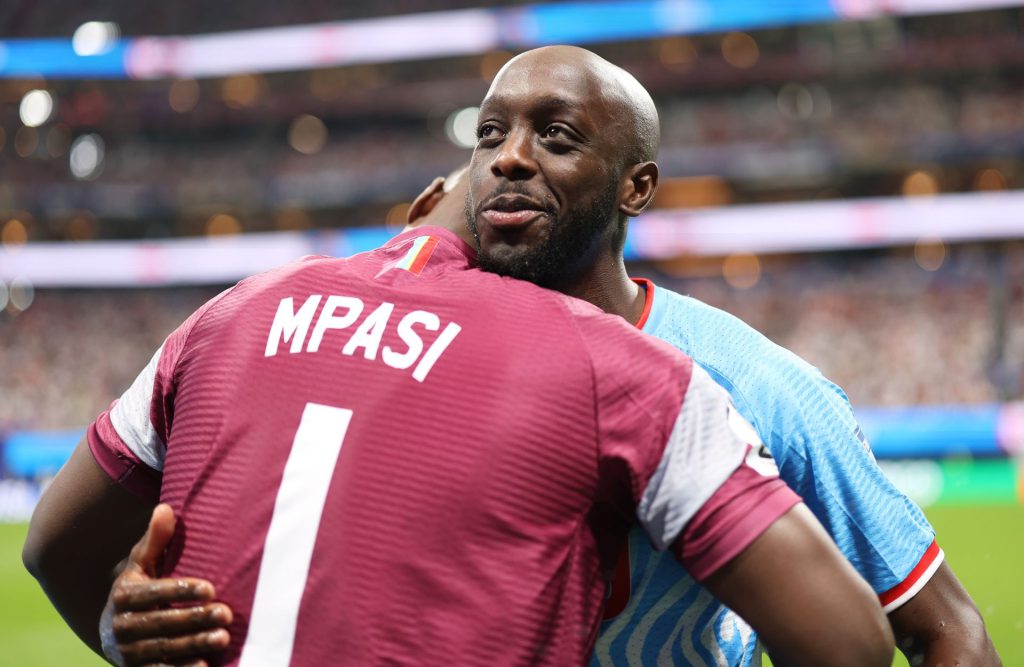
The council meeting did not focus only on the FFE controversy. Members also questioned Infantino on the suspended red-card ban for US striker Folarin Balogun, the FIFA Peace Prize and funding for national associations.
According to Hewitt, the Balogun case was one of the “biggest issues” raised. Balogun’s ban was suspended after US President Donald Trump requested a review, prompting concerns that football disciplinary decisions may have been influenced by outside pressure. BBC Sport understands a proposal was put forward to amend FIFA’s disciplinary code so that a similar suspension could not happen again.
Hewitt said the issue went beyond one player or one ruling.
“Once behaviour starts to influence what happens on the pitch, then I think it’s a dark day for football.”
The FIFA Peace Prize also came under scrutiny after being awarded to President Trump. Hewitt said the way the prize was created and awarded will now be examined by FIFA’s social committee, which is due to report back in December.
Uefa keeps up pressure
Uefa has been one of Infantino’s most forceful critics and has repeatedly called on him to step down. The European body has also prepared criminal legal proceedings against him and filed claims in three US courts demanding all documents related to FFE be released.
That wider legal and political pressure means the council meeting may have been only the beginning of a longer confrontation. Hewitt said the documents are crucial if members are to understand what happened and decide whether further action is needed.
“Those papers coming to Council are a crucial next part of us feeling comfortable as to what, if any, criminal proceedings need to take place,” she said.
Re-election tension builds ahead of November deadline
Infantino is set to seek re-election in March for a third term, yet no credible challenger has emerged so far. Former Tottenham and Switzerland defender Ramon Vega has said he intends to run, though he is unlikely to secure the five letters of support needed from member associations.
There is also talk within European football of former Arsenal manager Arsène Wenger entering the race, but it remains unclear whether he would leave his current role as FIFA’s global head of football development to challenge his own boss.
Hewitt said it would be important for Infantino to face a rival candidate, especially after being re-elected unopposed in 2019 and 2023. She argued that FIFA’s 211 associations should have a genuine choice, and said the next president must put football first, unite the game and have the courage to deliver reform.
The next deadline arrives on 18 November, and the search for an alternative is now becoming part of the story. For Infantino, the apology may have bought time. It has not yet bought back trust.
| Key issue | Update |
|---|---|
| FFE proposal | Scrapped after backlash, but documents still sought |
| Balogun case | Disciplinary rules may be amended to prevent repeat |
| Peace Prize | FIFA social committee to review process in December |
| Election | Infantino expected to seek another term in March |
With more answers due in writing and more reviews set for December, FIFA now faces a crucial stretch. The central question is no longer only whether Infantino can apologise, but whether he can convince the wider football world that the organisation’s decisions were made in football’s best interest.