
Now Reading: Japan Cricket Gets Biggest Test Yet Against India
-
01
Japan Cricket Gets Biggest Test Yet Against India


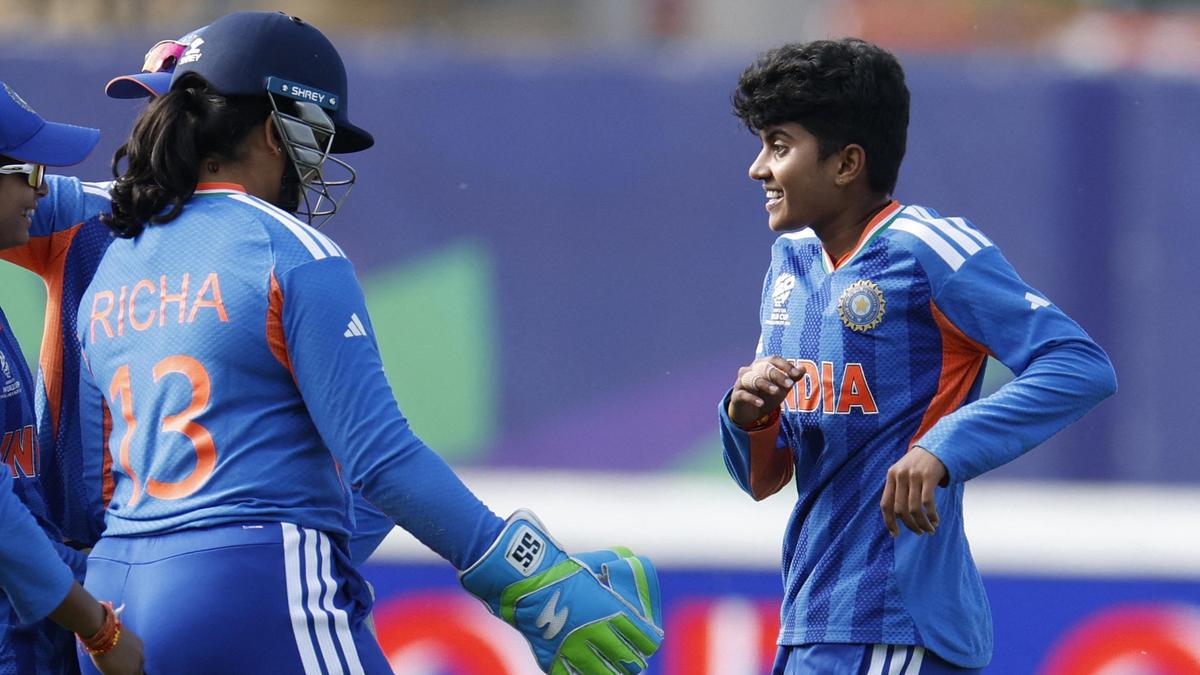
Japan cricket is about to step into the spotlight like never before. On September 22, India and Japan will meet in a one-off T20I at the Sano International Cricket Ground in Tochigi, a fixture that carries meaning well beyond the scoreboard.
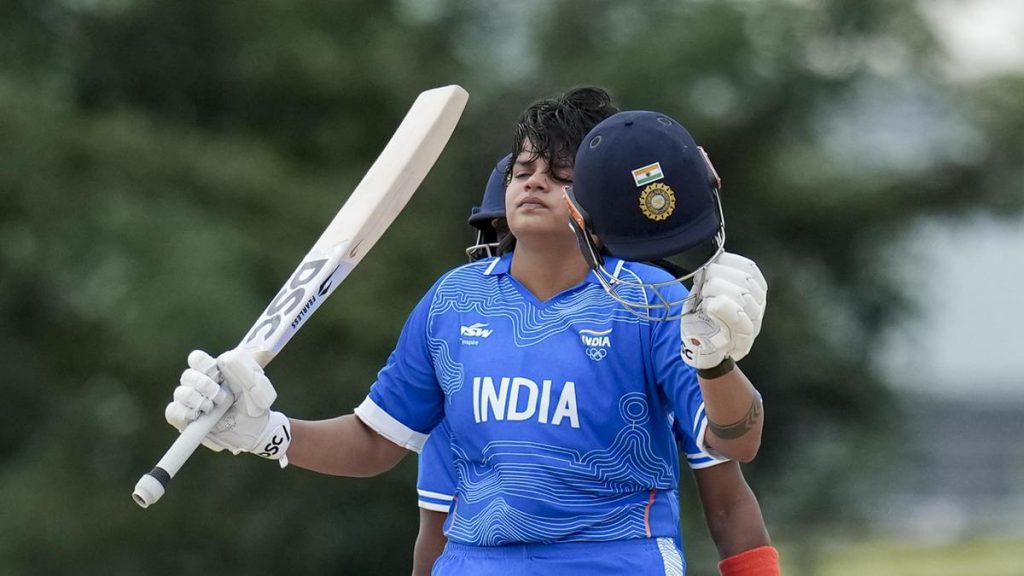
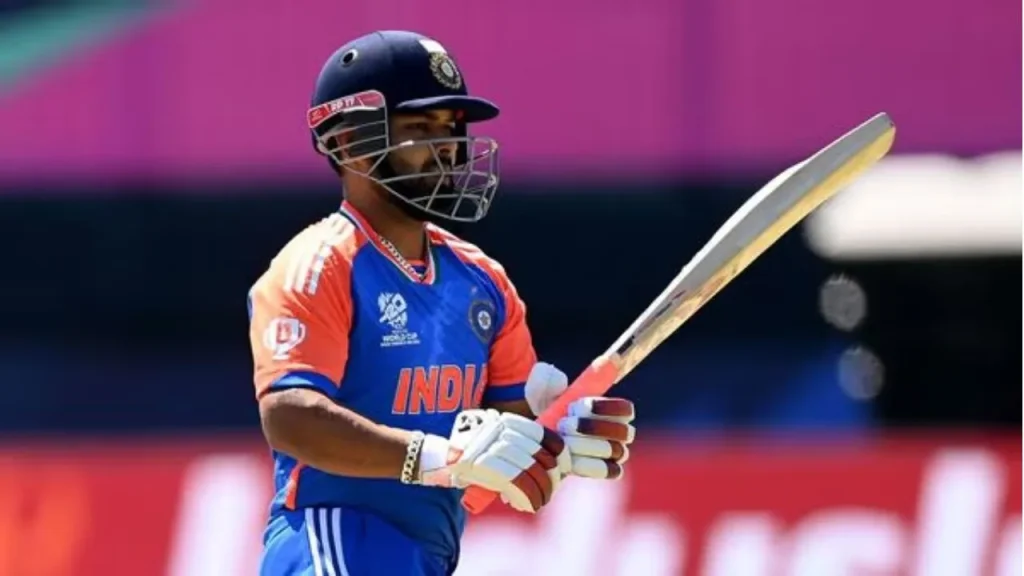
For India, it is a timely warm-up before the Asian Games. For Japan, it is a rare chance to measure itself against the reigning ICC Men’s T20 World Cup champions on home turf, in what could become one of the most important matches in the country’s cricket history.
A historic first in Sano
This is not just another international game. It will be the first-ever cricket meeting between India and Japan, and Japan’s first T20I against a full member nation. That alone gives the contest historic weight, especially as it arrives with the Asian Games only days away.
India enter the match with a more familiar objective: sharpen the squad, read the conditions, and build momentum ahead of a tournament where they already have a direct route into the quarter-finals. Japan’s challenge is very different. The hosts still have to fight from the beginning at the Asian Games, and this match offers them an early look at the standard they will need to reach.
A proving ground before the Asian Games
For Japan, the timing could hardly be better. Facing a powerhouse like India provides an unusually clear benchmark for where the team stands, and where it needs to go. The one-off T20I is not being treated as a ceremonial outing.
Captain Kendel Kadowaki-Fleming made that clear by stressing that Japan want to do more than simply enjoy the occasion. His side want to understand how to compete, how to adapt, and how to push themselves against elite opposition.
That mindset matters. In a developing cricket nation, one major performance can do far more than a dozen routine fixtures. A strong showing against India would send a message across the region that Japanese cricket is moving forward with purpose.
The squad brings experience and leadership
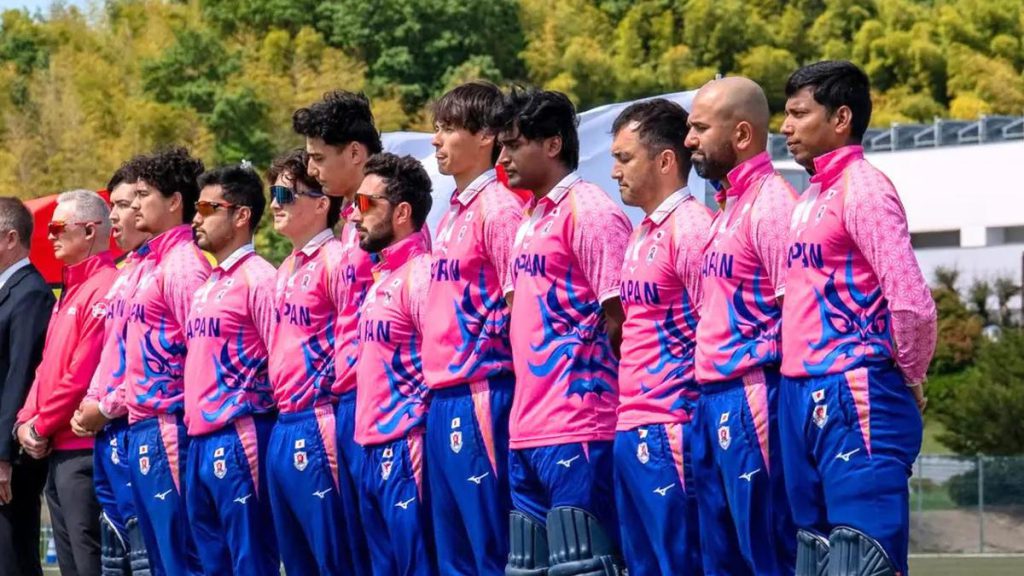
Japan have named the same squad for the one-off fixture as they will use at the Asian Games, adding further significance to the contest. The group is led by Kadowaki-Fleming, Japan’s leading T20I run-scorer, and supported by several players with valuable international exposure.
Among them are Ibrahim Takahashi, Declan Suzuki, Charlie Hara-Hinze and Makoto Taniyama. Taniyama is Japan’s leading T20I wicket-taker, while Takahashi and Suzuki have each built strong experience with more than 50 T20I appearances for the country.
That blend of leadership, familiarity and experience could be crucial against a side as deep and disciplined as India. It also gives Japan a group with a clearer identity than many associate with emerging teams.
Why this game matters beyond cricket
There is another layer to the fixture that makes it especially meaningful. The match is being played to mark 75 years of diplomatic relations between India and Japan, turning the occasion into a sporting and cultural milestone as well as a cricketing one.
That broader context adds to the atmosphere, but the real significance may lie in the exposure. Cricket remains a minority sport in Japan, well behind baseball and football in national popularity. The Japan Cricket Association has spent years trying to grow the game, and a meeting with India gives that effort a global platform.
As one observer noted, facing India is the kind of challenge that can accelerate progress: a big stage, a familiar venue, and a reference point that leaves no doubt about the standard required.
India arrive as the benchmark
India, meanwhile, will likely treat the game as an important tune-up rather than a high-pressure contest. That does not make the fixture any less compelling. In fact, it sharpens the contrast: one side looking to refine, the other looking to rise.
For Japan, this is the kind of test that can reveal strengths, expose gaps and inspire confidence in equal measure. For India, it is another step in preparation. For the Asian Games, it is a preview of how the tournament narrative could begin to unfold.
Quote insight: Kadowaki-Fleming’s message is clear: Japan do not want the night to be remembered only as a celebration. They want it to be remembered as a challenge accepted.
That is what gives this match its edge. It is historic, symbolic and practical all at once. And if Japan can rise to the moment, the one-off T20I in Sano may be remembered as more than a warm-up. It could be the night Japanese cricket announced itself a little louder to the world.