
Now Reading: Kohli and Rohit Named in India ODI Squad for West Indies
-
01
Kohli and Rohit Named in India ODI Squad for West Indies


India’s latest white-ball squad announcement has delivered a familiar headline and a fresh twist. Virat Kohli and Rohit Sharma are back in the ODI setup for the upcoming home series against the West Indies, while the Asian Games squad has been reshuffled after an injury setback to Varun Chakaravarthy.
Big names return for West Indies ODI series
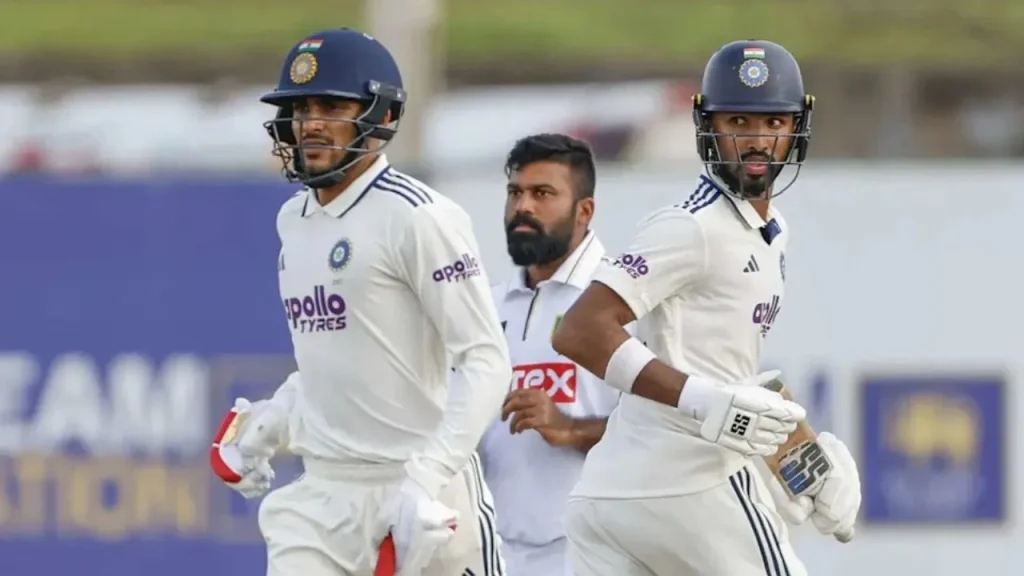
Shubman Gill will lead India in the three-match ODI series, with KL Rahul named vice-captain. The squad blends senior experience with new energy, as Kohli and Rohit headline the batting order and several younger players continue to push their case.
The series begins in Thiruvananthapuram, Kerala, on September 27. India’s selection suggests a clear intent to balance continuity with opportunity, especially with the home season now stretching into multiple formats.
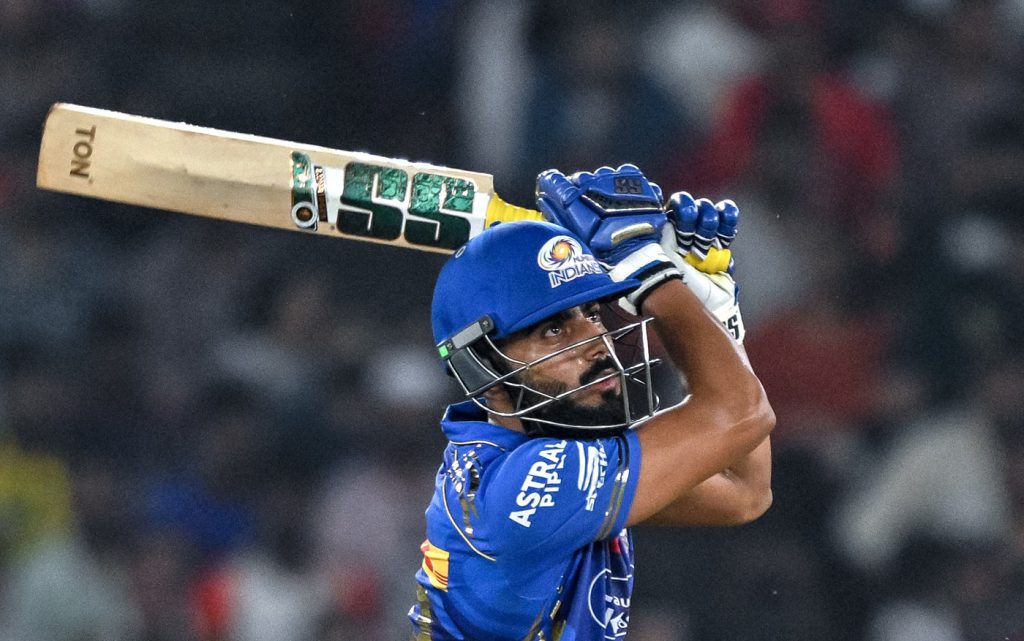
Among the notable inclusions are Naman Dhir and Auqib Nabi, both of whom have earned maiden ODI call-ups. Nitish Kumar Reddy, who was originally part of the Asian Games squad, has now been moved into the ODI group for the West Indies series.
Selection focus stays on depth and flexibility
The presence of Rohit and Kohli adds weight to the squad, but the broader picture is just as important. India appear to be using this series to test bench strength, manage workload, and keep multiple combinations ready ahead of a busy run of fixtures.
A team source-style perspective around such selections is often simple: form matters, but so does timing. As one selector might frame it, “The goal is not just to pick the best XI for one series. It is to prepare the best group for the next stretch of cricket.”
That philosophy is visible in the squad balance, where experienced performers sit alongside developing names. The ODI set-up gives India a chance to reinforce their top order while also learning more about players who could become longer-term options.
Asian Games squad sees a key change
India’s Asian Games plans have also shifted after Varun Chakaravarthy was ruled out with a side strain. Vipraj Nigam has replaced him in the squad, marking an important late change before the team begins its campaign at the quarter-final stage.
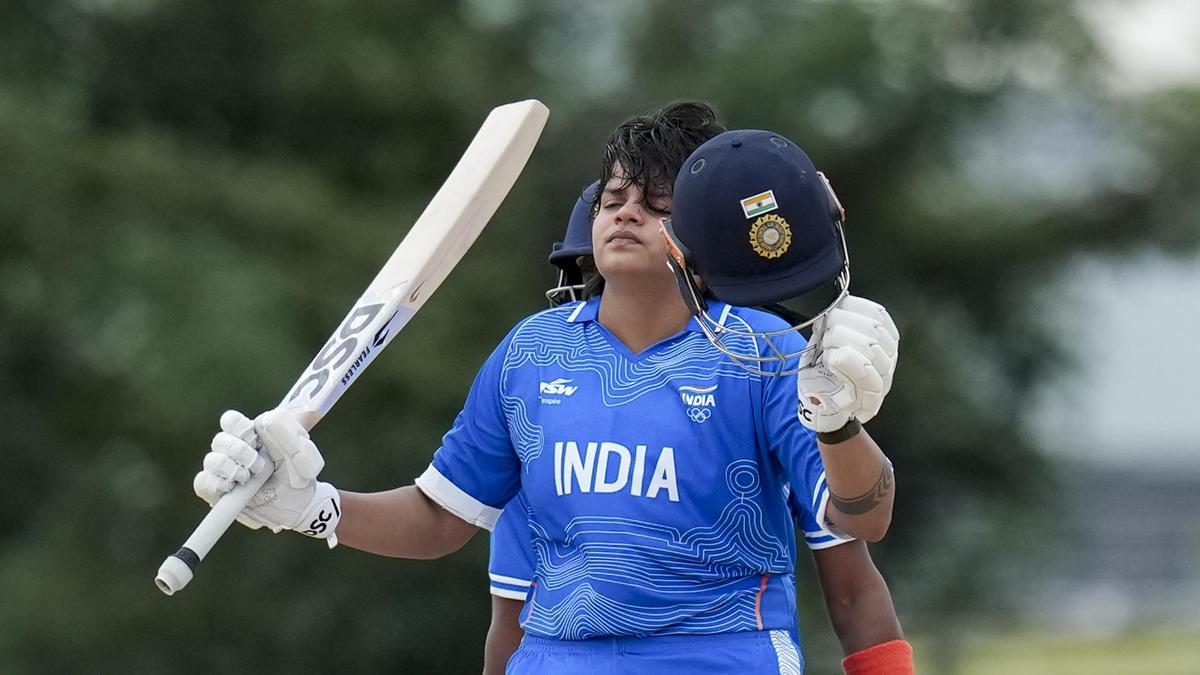
Shreyas Iyer will captain the Asian Games side, with Tilak Varma as vice-captain. The squad includes a mix of established international cricketers and emerging players, reflecting India’s approach to a tournament that has quickly become a meaningful medal target.
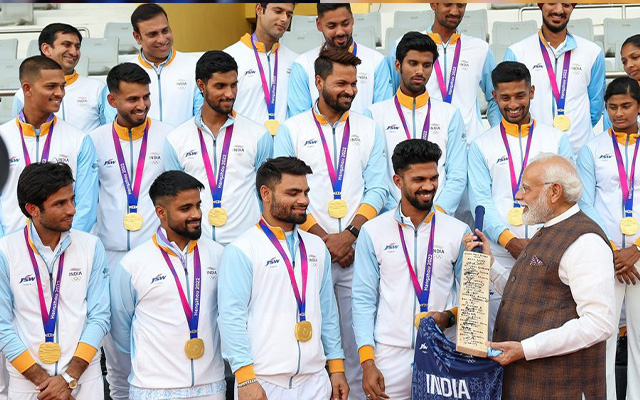
India’s men’s cricket team famously struck gold on their Asian Games debut in Hangzhou 2023, and expectations remain high as they look to defend that reputation. The team will also play a one-off T20 international against Japan on September 22 before turning to the multi-sport event.
Japan T20 and T20 series add to packed calendar
The schedule is dense, and the squad composition shows just how carefully India are managing the overlap between series. After the Japan T20, India begin their Asian Games campaign six days later, while the five-match T20I series against West Indies starts in Lucknow on October 6.
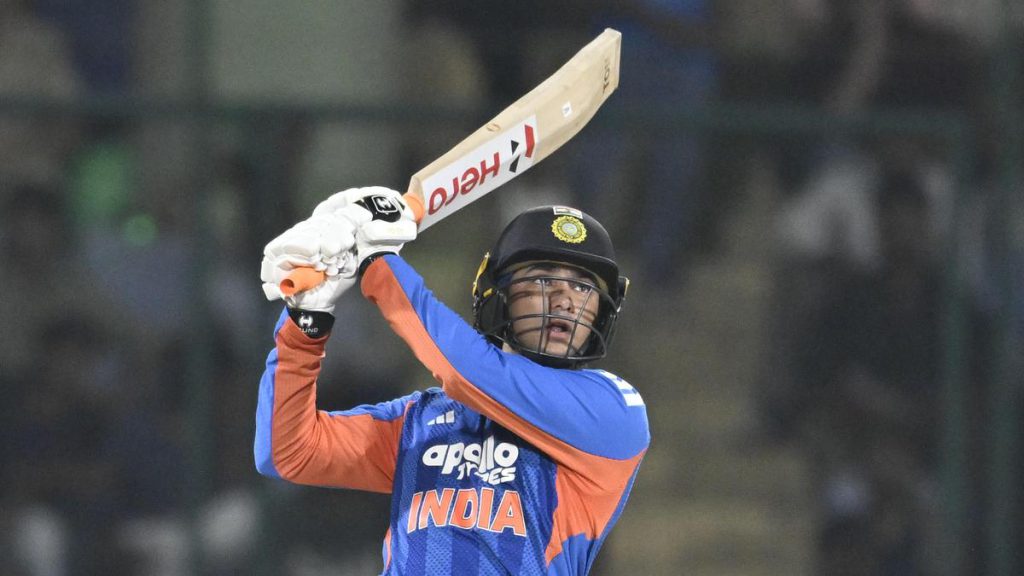
For the T20I assignment, 15-year-old Vaibhav Sooryavanshi has been included in a squad led by Shreyas Iyer. His selection stands out as one of the most eye-catching details in the announcement, underlining India’s willingness to invest in the next wave of talent.
The T20 squad also features several familiar names, including Sanju Samson, Ishan Kishan, Tilak Varma, Axar Patel, Washington Sundar, Ravi Bishnoi, Jasprit Bumrah, Arshdeep Singh and Shivam Dube. The group will give India plenty of options as they juggle form, fitness and rotation.
What the squad tells us
Hardik Pandya and Rishabh Pant remain notable absentees across the West Indies, Japan and Asian Games squads. Their omission keeps the focus on India’s broader pool and the selectors’ trust in versatility rather than relying on a single settled core.
In practical terms, the announcement signals three things: India are keeping senior batters involved in ODIs, protecting key players through a demanding schedule, and continuing to widen the talent pipeline in T20 cricket. It is a selection strategy that is both conservative and ambitious at once.
With Kohli and Rohit back in the ODI frame, and with younger names such as Naman Dhir, Auqib Nabi and Vaibhav Sooryavanshi stepping into the spotlight, India’s next few weeks promise a mix of nostalgia, testing moments and fresh energy. The West Indies series may be the headline act, but the deeper story is India’s constant search for the right combination across formats.
| Series | Start Date | Venue/Context |
|---|---|---|
| ODI vs West Indies | September 27 | Thiruvananthapuram |
| Japan T20I | September 22 | One-off match before Asian Games |
| Asian Games campaign | Six days after Japan T20I | Quarter-final stage entry |
| T20I vs West Indies | October 6 | Lucknow |