
Now Reading: No Issue at All: Shubman Gill Gives Big Neck Fitness Update Before NZ ODIs
-
01
No Issue at All: Shubman Gill Gives Big Neck Fitness Update Before NZ ODIs


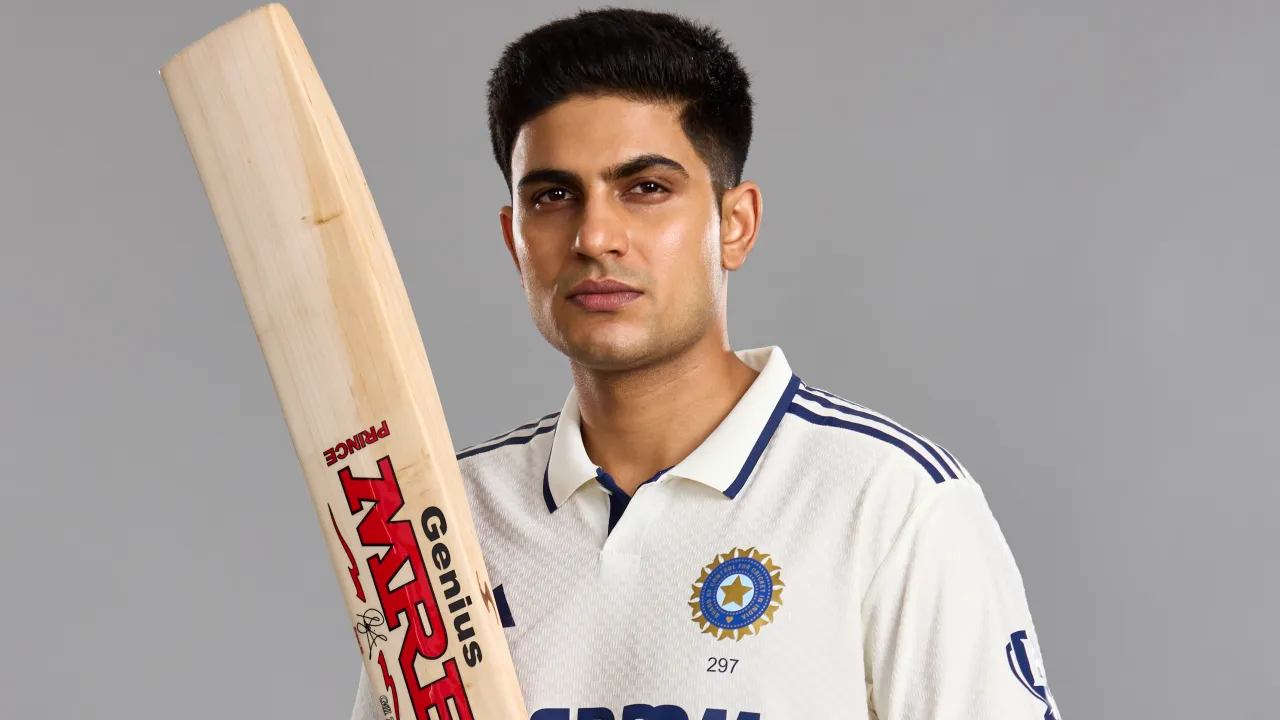
India captain Shubman Gill has delivered a major reassurance ahead of the ODI series against New Zealand. Speaking in Auckland, he said his recurring neck problem is not a concern after a long batting stint and smooth fielding drills. For a side balancing fitness and combinations, that is a welcome boost.
Gill Delivers a Clear Fitness Verdict
Gill addressed the issue head-on at the pre-match press conference before India’s first ODI. Reports had emerged that he received a massage after a training session in Auckland, which raised questions about his neck.
The India skipper wasted no time shutting down the speculation. He said he faced no difficulty during either his batting or his fielding work.
“No issue… I batted for close to one and a half hours and did my fielding without any trouble too. No issue at all,” Gill said.
Why the Update Matters
Gill has missed international cricket because of his neck before, so any hint of discomfort draws instant attention. A long, uninterrupted net session is a strong indicator that he is ready for the demands of a 50-over game.
The comments will come as a relief for the Indian camp, especially given how much time he spent away after his most serious episode.
A Flexible Plan for No. 5 and No. 6
Gill also opened up on India’s batting combination for the series. The captain said the team will use a floating approach for the No. 5 and No. 6 positions.
India’s top four is already set, and all four are right-handers. That makes a left-handed option valuable when the match situation calls for it.
“We will have floating approach for no.5 and no.6. Our top four is set, all right-handers. So if lefty is needed, Axar bhai goes and depending on match situation even KL bhai can go. So bit flexible,” Gill said.
Axar Patel and KL Rahul in the Mix
Axar Patel is the likely pick if India need a left-hander in the middle order. KL Rahul could also be promoted depending on the circumstances.
This kind of adaptability could be a real weapon against changing bowling plans and field settings.
Why Not a Full-Strength Side?
Gill was also candid about why India cannot field their strongest XI in every game of the series. He pointed to scheduling as the main factor.
“Had ODIs happened before T20Is, we could have played full strength all games. But turnaround time was less between Tests and ODIs… and WTC table is very interesting now,” he added.
That suggests rotation and workload management will shape selection throughout the three matches.
Shubman Gill’s Neck Injury Timeline
Gill’s neck has troubled him on several occasions over the last two years. Here is a quick look at how the issue has unfolded.
| Date | Event | Impact |
|---|---|---|
| July 2024 | Neck spasm | Missed second T20I vs Sri Lanka |
| October 2024 | Neck stiffness | Missed first Test vs New Zealand in Bengaluru |
| November 2025 | Retired hurt at Eden Gardens after 3 deliveries | Missed second Test and ODI series vs South Africa |
| IPL 2026 | Neck spasm | Missed Gujarat Titans’ match vs Rajasthan Royals |
The Most Serious Episode
The scariest moment came in the first Test against South Africa at Eden Gardens in November 2025. Gill felt discomfort in India’s second innings and retired hurt after facing only three deliveries.
He was taken to hospital for medical assessment and then missed the second Test as well as the ODI series against South Africa.
Disc Bulge and Recovery
In December 2025, Gill explained the nature of the problem ahead of India’s T20I series against South Africa. He revealed a cervical disc bulge that was pressing against nerves.
He then underwent rehabilitation at the BCCI Centre of Excellence before returning to international cricket.
IPL 2026 Scare and the Road Ahead
The issue resurfaced during IPL 2026, when a neck spasm kept Gill out of Gujarat Titans’ game against Rajasthan Royals. He returned for the next match against Delhi Capitals.
Asked about it at the time, he described the problem as “something similar” to his earlier injury.
Now, with a clean bill of health from the captain himself, attention shifts to the field. A fit Gill at the top of the order, backed by a flexible middle order, gives India a strong platform as the series begins.
The big question is whether his neck holds up through a packed schedule. For now, the message from Auckland is simple: no issue at all.