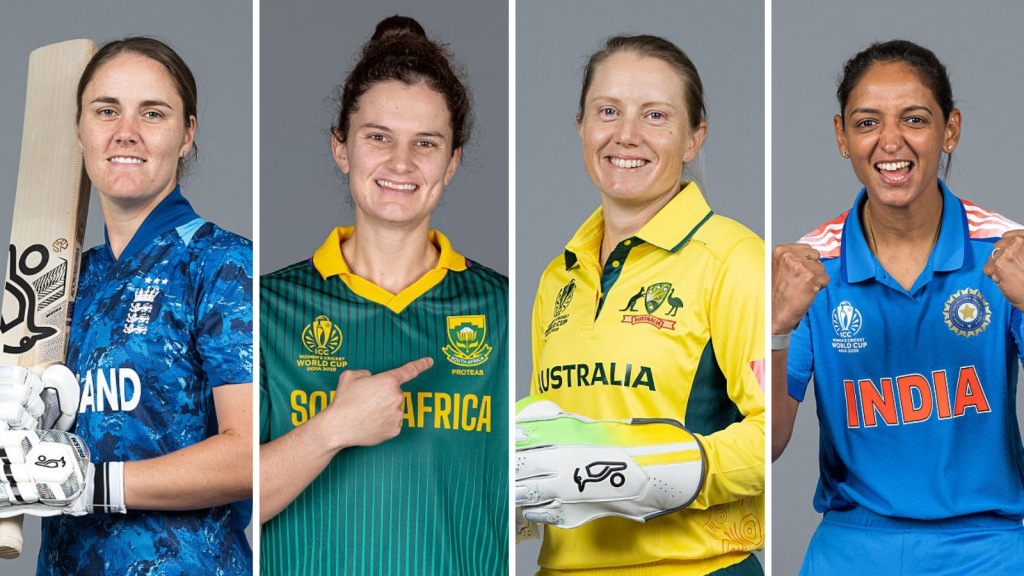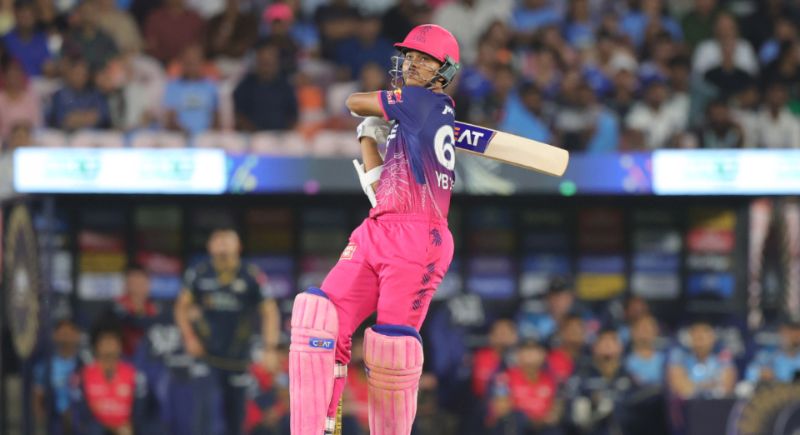




England found rhythm, flair and a touch of magic at the King Power Stadium, but the bigger story may have been the system around them rather than the scoreline itself. A commanding 8-1 aggregate win over Greece sent the Lionesses through with ease, yet the one-sided nature of the tie reignited debate about whether the Women’s World Cup playoff format is fit for purpose.
England regain their spark, but the test was limited
On a night designed to build momentum, England delivered a performance full of zip and confidence. Lauren James was the standout, drifting into space, driving the team forward and finishing with two goals and an assist in a display that underlined why she remains one of the most influential attackers in the game.
There was quality across the pitch, too. Georgia Stanway added her usual energy and another goal, Alessia Russo brought movement and presence, while England’s wingback structure gave the side more balance and width than in some recent outings. The scoreline was comfortable almost from the outset, and that made it difficult to draw sweeping conclusions about how much the team has truly improved.
Lauren James delivers the kind of impact England need
James’ ability to turn a routine qualifying night into a showcase of attacking invention was a reminder of her importance heading toward next summer’s tournament. She looked liberated in a freer role, receiving between the lines and forcing Greece into damage control whenever she picked up the ball.
One observer in the stadium summed up the mood neatly: “When Lauren James is in that kind of rhythm, England always look capable of breaking a game open.” It was a sentiment hard to argue with after another decisive outing from the forward.
Lexi Potter’s debut adds a fresh midfield option
If James supplied the sparkle, Lexi Potter delivered the most encouraging structural development of the night. The 20-year-old midfielder looked remarkably composed on her debut, showing intelligent positioning, secure passing and a calm tempo that allowed more adventurous players to flourish ahead of her.
Potter’s performance suggested she belongs at this level. For England, that matters just as much as the result, because the coming months will be about building depth as well as maintaining momentum. Against a more demanding opponent, her composure and tactical awareness could become even more valuable.
England’s coaches also had reasons to be pleased with the way the back line and wide areas functioned. Maya Le Tissier covered efficiently for the injured Lucy Bronze, while Freya Godfrey’s debut offered another glimpse of the squad’s expanding talent pool.
A lopsided qualifying path raises bigger questions
Still, the match itself did little to answer the more important question: how much value do such uneven playoff ties really provide? Across Europe, the night produced eye-catching margins that made England’s victory look almost routine. Sweden won 15-0 against Lithuania, the Republic of Ireland beat Kazakhstan 12-0, and the Netherlands cruised past Hungary 11-0.
| Team | Aggregate score |
|---|---|
| Sweden | 15-0 |
| Republic of Ireland | 12-0 |
| Netherlands | 11-0 |
| England | 8-1 |
Those numbers tell a simple story: the gap in quality remains vast. England were clearly superior to Greece, but the tie did not offer the sort of tension, jeopardy or tactical stress that meaningful knockout football usually provides.
The comparison with the men’s European qualifying playoffs was striking. Single-leg formats tend to create urgency and drama, while two-legged ties can drain intensity when the gulf between teams is too wide. In this case, the atmosphere at the King Power was lively in patches, but even the crowd seemed to sense the outcome was settled long before the final whistle.
The challenge is building balance, not just results
None of this should take away from England’s control or from the individual performances that stood out. But it does underline a wider issue for the women’s game: how to create a qualification system that develops teams without producing endless mismatches. The new group-stage structure has brought some improvement, yet the playoff round still feels like a stage in need of redesign.
That tension matters because the Lionesses are now moving toward matches against Ukraine, a side they have already beaten comfortably in this cycle. If the next round follows the same pattern, England may continue to gain confidence, but they will not necessarily gain the sharpest possible preparation for a World Cup campaign.
For now, the positives are clear enough. James looked dangerous, Potter looked ready, and England looked more fluid than they have in recent outings. But the broader verdict is less celebratory: the football was good, the entertainment was uneven, and the format itself is still lagging behind the ambition of the sport.