Now Reading: Rohit Sharma on 2023 World Cup heartbreak and India’s comeback
-
01
Rohit Sharma on 2023 World Cup heartbreak and India’s comeback


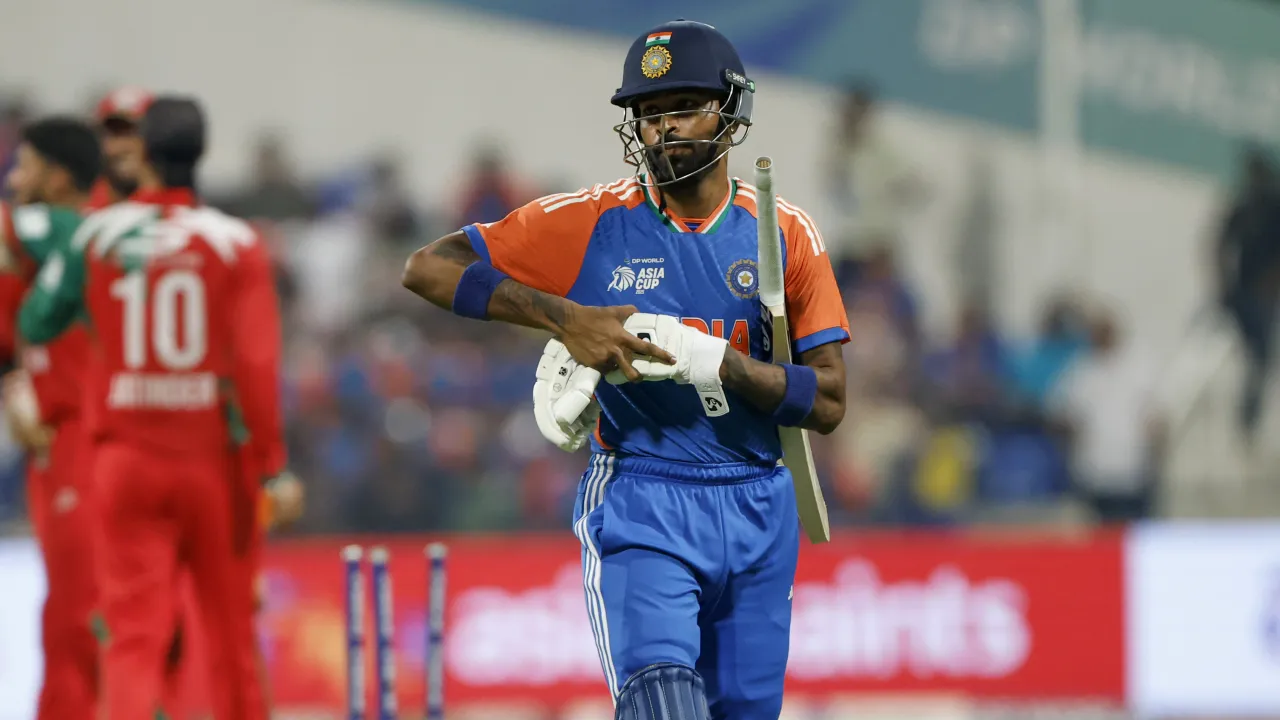
Former India captain Rohit Sharma has opened up on the emotional weight of India’s 2023 ODI World Cup final defeat, calling it the toughest phase of his long career. For a team that had been unbeaten all tournament and was playing in front of a home crowd, the loss to Australia did not just sting. It became a turning point.
Rohit Sharma on the pain of Ahmedabad
India entered the 2023 final at the Narendra Modi Stadium in Ahmedabad with enormous confidence after winning all 10 of their previous matches. The unbeaten run, however, ended in dramatic fashion as Australia produced a composed and clinical performance.
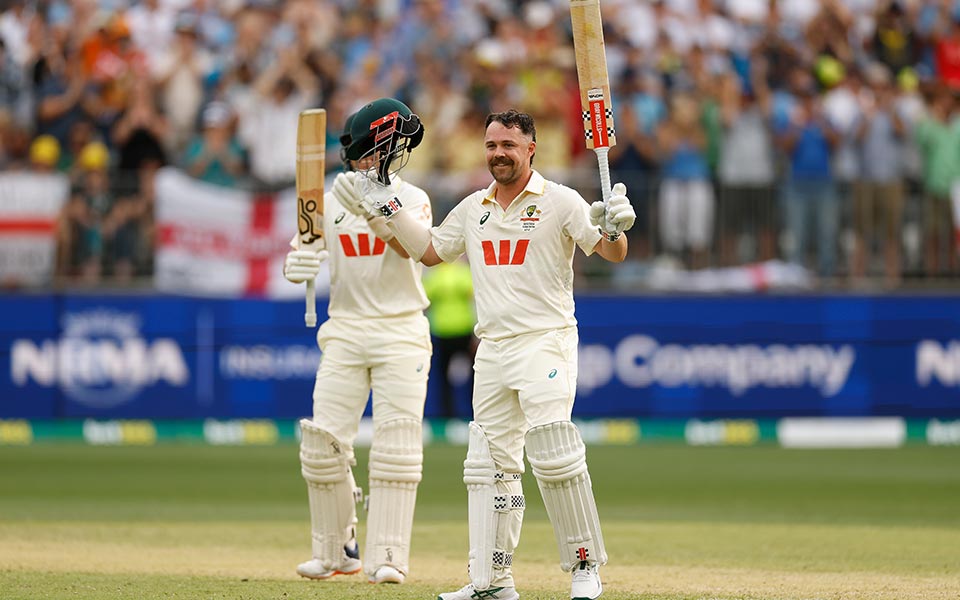
Travis Head’s match-winning century drove Australia to the title, leaving India and millions of fans stunned. For Rohit, the disappointment was especially heavy because the campaign had been so dominant and the destination had been so close.
“This was the toughest phase of my career,” Rohit said, reflecting on the final and the scale of the setback. He added that unlike personal lows earlier in his journey, this moment carried the weight of an entire nation’s hopes.
When a team feels unstoppable, defeat hurts even more
Rohit explained that the loss was difficult to absorb because India had looked nearly unbeatable throughout the tournament. Playing at home, with the crowd behind them and momentum on their side, the team had rarely felt under pressure before the final.
That made the sudden collapse more painful. According to Rohit, sport has a way of striking when everything appears to be going right. In his words, just when a team believes things are on track, an obstacle arrives and changes the story.
He described that lesson as one of the harsh truths of cricket: dominance in the league phase means little if the final moment slips away. For India, the emotional burden of losing at home made the defeat even harder to digest.
How failure shaped India’s next big triumph
While the 2023 final left a deep scar, Rohit believes it also changed India’s mindset in a powerful way. In his view, the disappointment created a new hunger inside the group, one that became visible during the 2024 T20 World Cup in the West Indies and the United States.
He said the team arrived at that tournament with a very different energy. The pain of Ahmedabad had sharpened their focus, and the desire to finally end India’s ICC trophy drought was stronger than ever.
“Failure teaches you more than success,” Rohit said, stressing that the heartbreak may have been necessary for the eventual breakthrough. He noted that the desperation within the squad felt different in 2024, and that intensity pushed the side toward the title.
The hunger that followed the heartbreak
India ultimately defeated South Africa in the 2024 T20 World Cup final in Barbados on June 29, ending an 11-year wait for an ICC trophy. For Rohit, the journey from Ahmedabad’s silence to Barbados’ celebration carried deep meaning.
He summed up the emotional contrast with a line that now captures the arc of India’s turnaround: “For every 19 November, there is a June 29.”
It was more than a quote. It was a reminder that setbacks can reshape a team’s identity, especially when the pain is shared and the response is collective.
A turning point in India’s white-ball story
The 2023 World Cup final has already become one of the defining moments of modern Indian cricket. It was a heartbreaking end to a near-perfect home campaign, but it also marked the start of a new phase.
India went on to win the 2024 T20 World Cup, the 2025 Champions Trophy, and another T20 World Cup in 2026 under Suryakumar Yadav’s captaincy. That sequence underlines how one painful defeat helped sharpen the team’s edge for the years that followed.
Rohit’s reflection offers a rare window into how elite teams process disappointment. The loss in Ahmedabad was not the end of the story. In many ways, it became the emotional fuel for everything that came next.
| Key moment | Detail |
|---|---|
| 2023 ODI World Cup final | India lost to Australia in Ahmedabad |
| India’s tournament run | 10 wins in 10 matches before the final |
| 2024 T20 World Cup | India beat South Africa to win the title |
| 11-year wait | Ended with the Barbados triumph |
For Rohit Sharma, the heartbreak remains unforgettable. But so does the response that followed. In the end, India’s story moved from one crushing November night to a summer of redemption.