
Now Reading: ‘There Was Abusive Language’: Yashveer Goud Reveals What Fired Up India’s U19 Asia Cup Celebration vs Pakistan
-
01
‘There Was Abusive Language’: Yashveer Goud Reveals What Fired Up India’s U19 Asia Cup Celebration vs Pakistan

‘There Was Abusive Language’: Yashveer Goud Reveals What Fired Up India’s U19 Asia Cup Celebration vs Pakistan

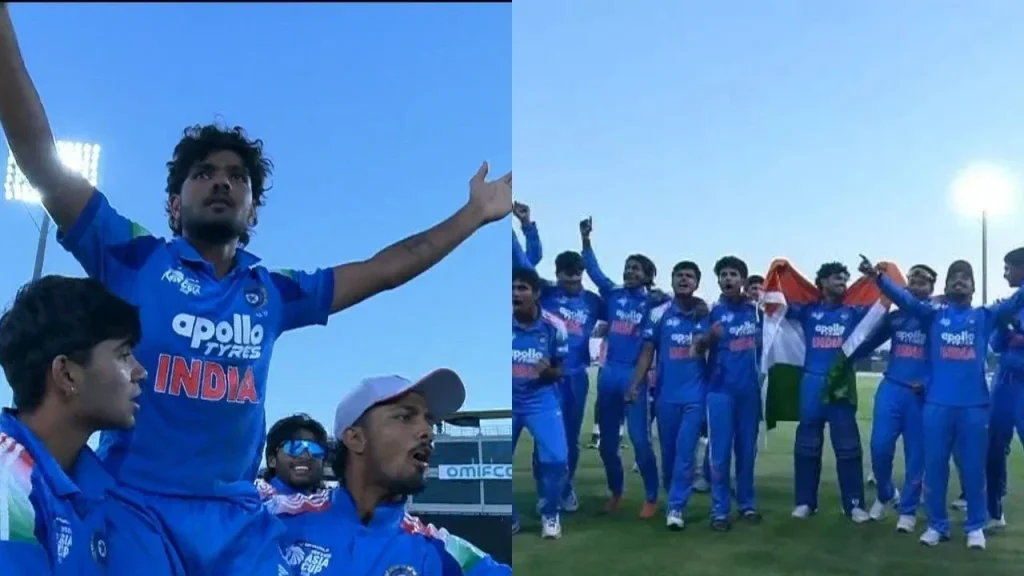
India’s U19 Asia Cup celebrations were loud, emotional and impossible to miss. Now Yashveer Goud has explained why. After a one-wicket, last-ball thriller against Pakistan in the final, the youngster says the fire was lit weeks earlier, during a heated group-stage defeat on Diwali.
Yashveer Goud Explains the Fire Behind the Celebrations
India’s players showed raw emotion after sealing the title against Pakistan. The reaction drew plenty of attention, and Goud has now shed light on what drove it.
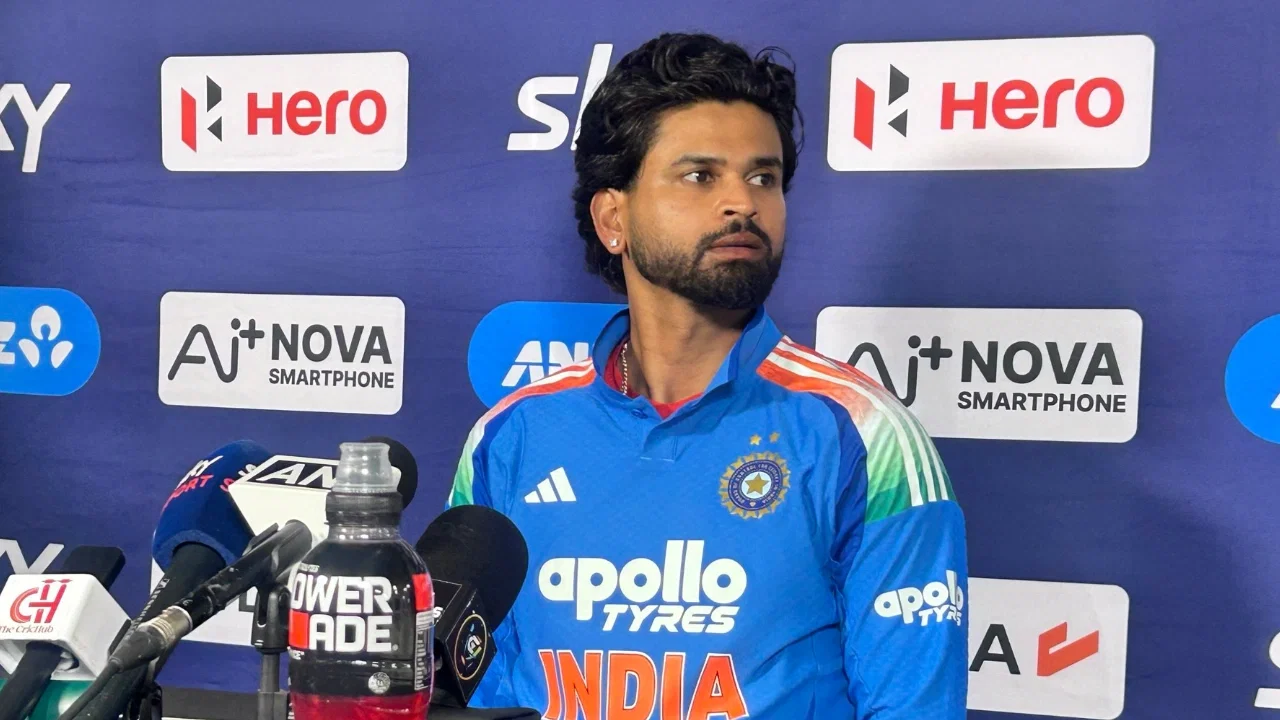
Speaking to Sports Today, Goud claimed there was an exchange of words, including abusive language, when the two sides met in the group stage. India lost that game and, in his words, could not respond at the time.
“We had lost the match on Diwali. There was some exchange of words between us, including abusive language. We couldn’t say anything after losing that match. We were waiting for the final. We wanted to perform well and show what India is capable of.”
A Mirror Image of Pakistan’s Reaction
According to Goud, India wanted to answer in the same way their opponents had earlier in the tournament. The message was clear: what Pakistan did in the group stage, India would do in the final.
“We were doing the same thing they had done. They were silent and we were silent too. We were wearing the Indian jersey. We were waiting for this moment. Everyone was emotional.”
The comments add a heated layer to a rivalry that is already intense at every level of the game.
The Diwali Defeat That Set the Stage
The group-stage meeting was a painful one for India. They posted 208 on the board, powered by Arjun Rajput’s unbeaten 107 off just 85 balls.
Pakistan were in trouble at 61/5. Hamza Zahoor then stood firm with an unbeaten 100 and dragged his side to a three-wicket win.
India Bounce Back Against Afghanistan
India did not let the setback linger. They beat Afghanistan by eight wickets in the semi-finals, with captain Lakshya Raichandani scoring 93. That win set up another showdown with Pakistan, this time with the trophy at stake.
A Final That Went Down to the Last Ball
Pakistan posted a huge 337/9 in the final. Usman Khan made 107, Abdul Qadir added 80 and captain Farhan Yousaf chipped in with 63.
India’s chase began strongly. Raichandani (80) and Aaryavir Sehwag (58) laid a solid platform before Pakistan fought back and left India struggling at 252/8.
Chauhan and Ulva Turn the Tide
Manal Chauhan kept the chase alive with 47 off 32 balls. When he fell with India on 309/9, only one wicket stood between Pakistan and the title.
Mohit Ulva and Chigurupati Venkata then held their nerve. Together they added 30 runs for the last wicket. Ulva finished unbeaten on 49 off 26 balls, and India reached 339/9 to win by one wicket on the final ball.
Key Numbers From the Rivalry
| Match | Pakistan | India | Result |
|---|---|---|---|
| Group stage (Diwali) | Won chase, Zahoor 100* | 208 (Rajput 107*) | Pakistan won by 3 wickets |
| Final | 337/9 | 339/9 | India won by 1 wicket (last ball) |
| Player | Team | Performance |
|---|---|---|
| Usman Khan | Pakistan | 107 |
| Abdul Qadir | Pakistan | 80 |
| Farhan Yousaf | Pakistan | 63 |
| Lakshya Raichandani | India | 80 |
| Aaryavir Sehwag | India | 58 |
| Manal Chauhan | India | 47 (32) |
| Mohit Ulva | India | 49* (26) |
Emotion, Resilience and the Bigger Picture
India’s celebrations make more sense in context. They lost to Pakistan on Diwali, and Goud claims words were exchanged. The final was the chance to respond.
On the field, India handled the pressure well. They recovered from the group-stage defeat and proved their worth in the knockouts, ending Pakistan’s reign as champions.
Ulva will rightly take the headlines for his last-ball heroics. Yet the win says just as much about the team’s resilience. Emotional celebrations are part of the youthful spirit of the game, though learning when to celebrate and when to hold back is part of growing up in the sport.
What It Means for the Rivalry
India-Pakistan clashes always carry extra weight, and this one added another chapter. A group-stage loss, an alleged war of words and a one-wicket final win have only deepened the story between these two sides.
For India’s young players, the title is a statement. For the rivalry, it guarantees the next meeting will be watched even more closely.