Now Reading: Why West Indies Earn Nothing From India Tour
-
01
Why West Indies Earn Nothing From India Tour


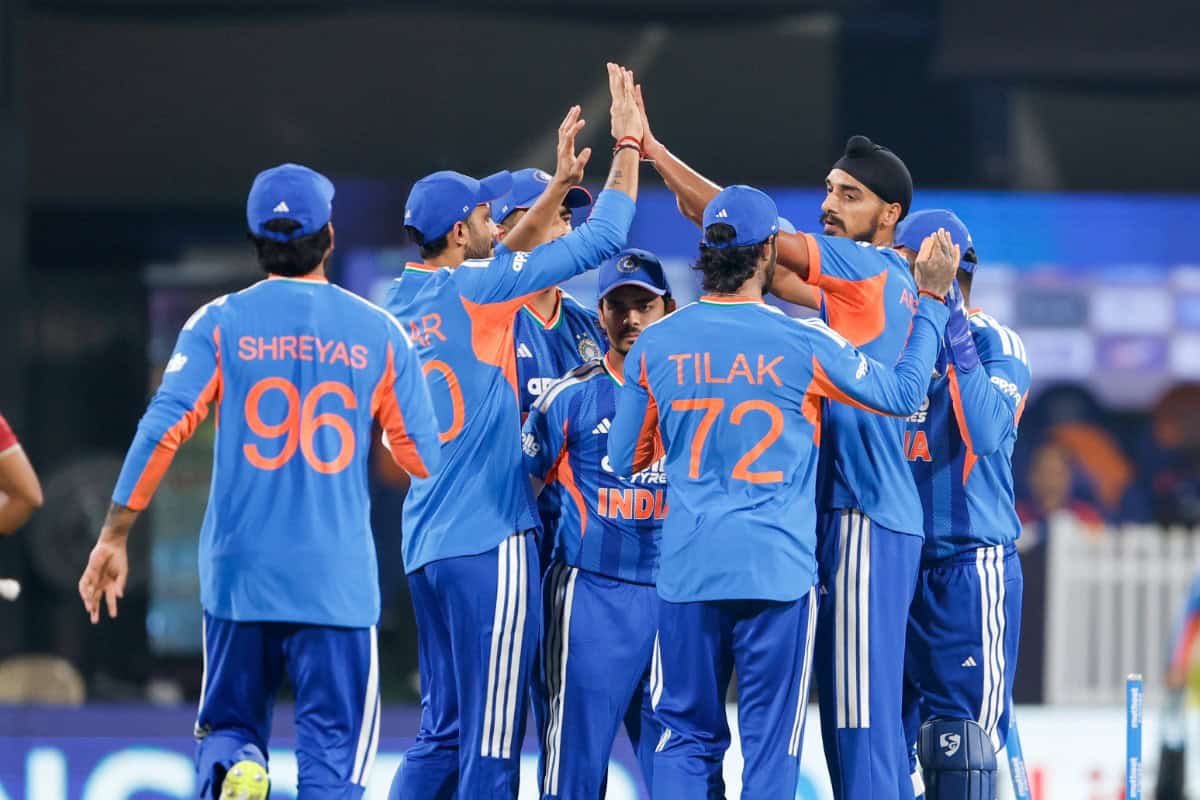
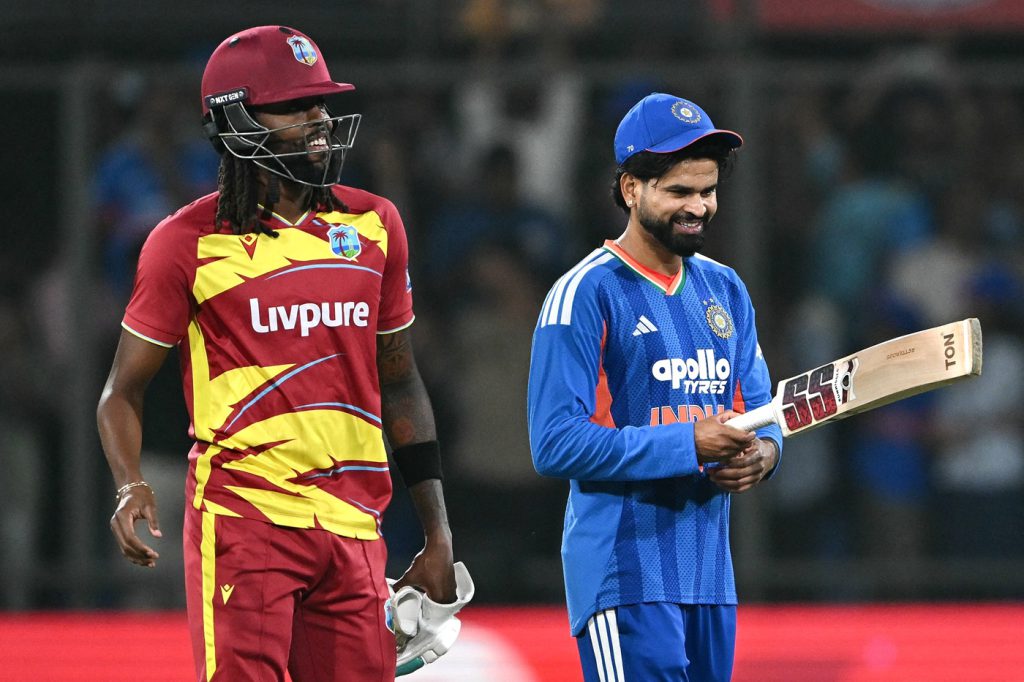
The West Indies may have turned the India tour into a gripping contest, but the financial picture behind the series is far less competitive. After Shai Hope’s unbeaten 102 off 50 balls in Hyderabad helped level the five-match T20I series at 2-2, attention has shifted to Saturday’s decider in Bengaluru. Yet off the field, Cricket West Indies is walking away with nothing from the series income.
The cricket is tight, but the revenue split is not
According to Cricket West Indies chief executive Chris Dehring, the board does not receive a share of the broadcast revenue from the India tour because the matches are being staged in India. In simple terms, the host board keeps the bilateral series money, while the visiting side gets no cut from the television and commercial rights attached to the tour.
Dehring’s explanation highlights a long-running tension in world cricket: strong bilateral series can generate huge revenue, but the financial benefit often stays with the home board. He said the current tour could be worth between $20 million and $30 million to the hosts, while West Indies cricket receives nothing from that pot.
How the system changed in 1997
The current arrangement dates back to a 1997 ICC vote that transformed how bilateral cricket revenue is distributed. Before that change, touring teams were generally paid a guaranteed fee. That meant a visiting board could leave with money even if it was not hosting the series.
After the vote, the host board was allowed to keep the broadcast revenue from bilateral matches. For larger cricket economies such as India, that system can be highly lucrative. For smaller boards like West Indies, it has created a widening gap between cricketing competitiveness and financial strength.
Dehring called the outcome unfair, arguing that boards with massive home audiences were always going to benefit more. As he pointed out, India can draw from a population of roughly 1.5 billion people, while West Indies markets are far smaller and fragmented across several island nations.
A revenue gulf between India and West Indies
The scale difference is stark. West Indies boards rely heavily on ICC distributions, while India’s home market produces massive broadcast value on its own. Under the 2024 to 2027 ICC revenue model, West Indies are reported to receive 4.58 per cent of ICC distributions, which works out to about $27.5 million annually. India’s share is reported at 38.5 per cent, or about $231 million a year.
That means India’s annual ICC payout is roughly 8.4 times larger than West Indies’ share. Even more striking, Dehring’s estimate of $20 million to $30 million for one bilateral series in India falls within the same range as West Indies’ full-year ICC payment.
| Metric | Figure |
|---|---|
| Estimated value of India series | $20 million to $30 million |
| West Indies annual ICC share | $27.5 million |
| India annual ICC share | $231 million |
| West Indies 2025 revenue | $40.9 million |
What this means for Cricket West Indies
The financial pressure on West Indies cricket goes well beyond this one tour. CWI expects a net loss of about $26 million in 2026, before a projected profit of around $8 million in 2027. The board has already responded with cost-cutting measures, including a 25 per cent pay cut for international players and reduced domestic retainers.
Domestic competitions have also been suspended, underlining the difficult choices facing the board. CWI’s reliance on ICC funding and major global tournaments is becoming increasingly clear, especially after the 2024 T20 World Cup, which West Indies co-hosted and which accounted for nearly half of the board’s revenue for that year.
One cricket administrator familiar with the broader revenue debate said the issue is not about a single tour, but about structural imbalance. “The system rewards market size more than cricketing heritage,” the insight went, and that is exactly the challenge boards like West Indies are forced to navigate.
The Bengaluru decider arrives with two stories
On the field, the West Indies have shown they can push India deep into the series. Off it, however, the numbers tell a much harsher story. The visitors will leave India without a share of the broadcast windfall, regardless of what happens in the final T20I.
That makes the Bengaluru decider bigger than just a cricket match. It is also another reminder of how uneven the economics of bilateral cricket can be, especially when a smaller board tours one of the sport’s biggest commercial powerhouses.
For West Indies, the fight in India is about pride and performance. For Cricket West Indies, the bigger battle is financial survival in a system that continues to favor the richest home markets.