



Former India keeper-batter Shreevats Goswami has sparked a fresh debate around Gautam Gambhir’s future as head coach of the Indian cricket team. While Gambhir has already delivered success in white-ball cricket, Goswami feels the road ahead may not be as straightforward as it looks.
In a candid assessment, Goswami suggested that the 2027 ODI World Cup could end up being a defining moment not just for senior players like Virat Kohli and Rohit Sharma, but also for Gambhir himself. His comments have added a new layer to the ongoing conversation about India’s coaching structure and long-term planning.
Gambhir’s India tenure has delivered highs and lows
Since taking charge after Rahul Dravid, Gambhir has overseen a mixed spell across formats. India have been dominant in T20 cricket, collecting major silverware and continuing their strong run in the shortest format, but the Test side has not always matched that momentum.
The contrast has become central to the debate. On one hand, Gambhir has been credited for maintaining intensity and helping India stay aggressive in ICC events. On the other, the red-ball results have triggered questions about balance, consistency and the direction of the team under his leadership.
White-ball success has strengthened his case
India’s triumphs in the 2026 T20 World Cup and the Asia Cup have certainly boosted Gambhir’s standing. Those titles have given the BCCI solid reasons to back him, especially when it comes to tournament cricket and pressure situations.
Goswami also acknowledged that Gambhir has done well in terms of winning ICC trophies and keeping India competitive at the top level. That record matters, particularly in a landscape where results often decide how long a coach stays in the job.
| Format | India under Gambhir |
|---|---|
| T20 cricket | Strong run, major titles won |
| Tests | Mixed results and tougher phases |
| ICC events | Positive impact and trophy success |
Why the 2027 World Cup matters so much
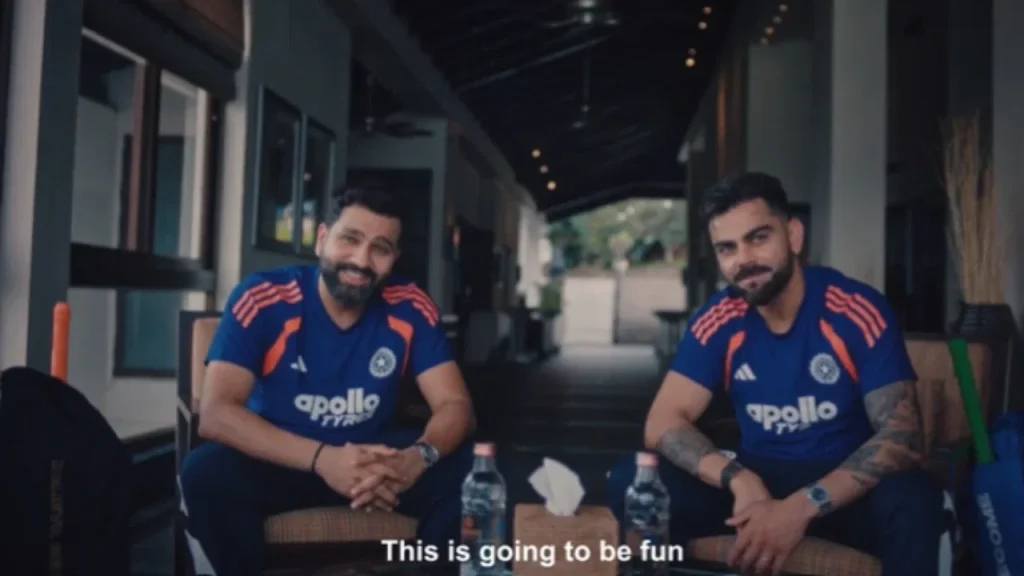
According to Goswami, too much of the current discussion is already centered on the 2027 ODI World Cup. The event is widely being framed as a likely farewell stage for veterans Virat Kohli and Rohit Sharma, and he believes Gambhir could also be part of that same conversation.
“It’ll be interesting to see how long Gambhir continues. Everyone is talking about next year’s World Cup being Virat Kohli and Rohit Sharma’s last. It could be Gambhir’s last World Cup as well as a coach,” Goswami said on the Beyond23 Cricket Podcast.
The remark is not an official prediction from the BCCI, but it reflects a growing sense that the next ODI cycle could shape the futures of several major figures in Indian cricket at once. For Gambhir, the 2027 tournament may become a measuring stick for both performance and leadership style.
His media style has also drawn attention
Goswami pointed out that Gambhir’s stern approach and blunt press conference remarks have become part of the conversation too. While some view that as refreshing honesty, others see it as a sign of a coach who is willing to take on pressure head-on.
That kind of directness can work well when results are flowing. But in a high-pressure environment like India, even strong communication styles are often judged against the scoreboard.
“He has done well in terms of ICC titles. But he is a bit stern and makes strong comments in press conferences,” Goswami observed.
Should India consider multiple coaches?
Another major point in Goswami’s remarks was the debate over India’s coaching model. With international cricket now packed across three formats, several national teams have moved toward having different coaches for different formats to manage workload and specialization.
India, however, has traditionally preferred a single head coach across all formats. Goswami believes that model still offers stability, especially for developing players who need one clear voice and consistent communication.
“India doesn’t have the culture of two coaches, so I don’t know how the players will take that, especially those coming up. You need one coach to have conversations with the players and keep the same energy flowing,” he said.
BCCI faces a familiar balancing act
That leaves the BCCI with a classic dilemma: stick with continuity or adapt to modern demands. A split-coaching system could bring tactical flexibility, but it may also complicate team identity and player management.
For now, Gambhir remains in the job and has enough support to continue shaping India’s future. Yet Goswami’s comments show that the discussion around his tenure is already moving beyond the present and into 2027 territory.
With ICC success in the bank and Test consistency still under scrutiny, Gambhir’s next chapter may decide how history judges his stint. If India keep winning, he stays in strong control. If the red-ball struggles continue, the pressure will only rise.