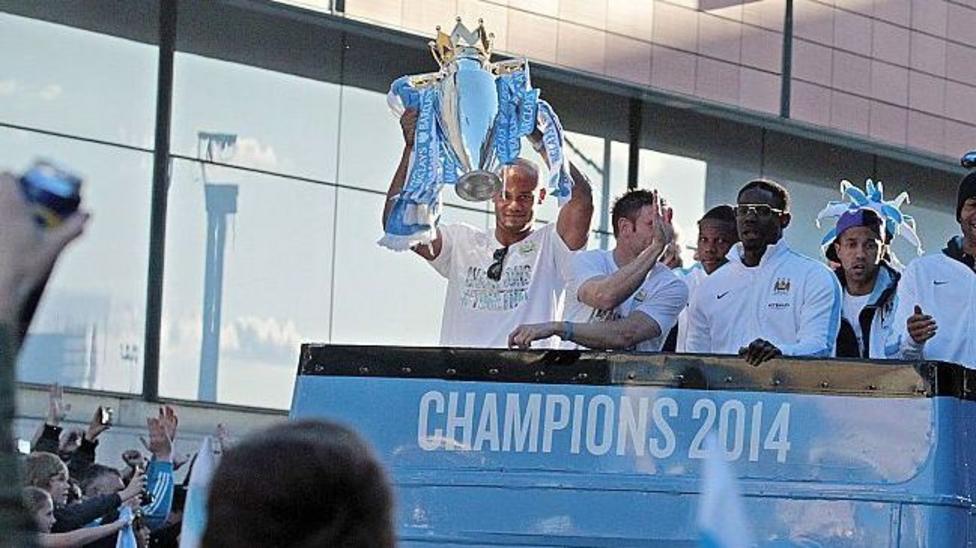



Manchester City’s rise was built on more than trophies and headline signings. Behind the success sat a transfer machine that pushed vast sums across Europe and beyond, with the club paying fees that helped reshape the market for everyone else.
The latest scrutiny around City’s finances has reopened a bigger question: where did all that money actually go, and did it strengthen football as a whole, or simply tilt the competitive balance in new directions?
City’s transfer money spread far and wide
Between the summer of 2009 and the winter of 2018, Manchester City spent about £1.2bn on players, with around £900m of that as net spend. According to the club-by-club breakdown, City paid transfer fees to 46 different clubs across 19 national league systems.
That is a huge footprint. The spending did not just land at the top of the European game; it reached Premier League rivals, continental giants, and smaller clubs whose biggest ever payday in the transfer market was driven by a City move.
Much of the debate around the club’s financial conduct has focused on whether that money had a wider “trickle-down” effect. The reality is more complicated. Some clubs received transformative fees. Others spent the windfall badly. And some were never directly paid at all, yet still felt the knock-on effects.
The Premier League took the biggest share
The Premier League received just over a quarter of City’s total transfer outlay during that period, making England’s top flight the largest single beneficiary. City signed players from eight Premier League clubs, and the same number in La Liga.
That spread matters because it shows how City’s spending fed directly into the game’s biggest domestic market. When a club pays above the going rate, it does not just buy a player; it resets the price expectations for the next deal too.
How the market changed
City’s willingness to offer big fees and top-end wages helped push prices up across football. Once clubs knew a buyer had deep pockets, asking prices tended to rise. That dynamic made transfers more expensive for everyone, even clubs with no direct connection to City.
As one football finance observer might put it, “When a club is willing to pay more than anyone else, every negotiation after that starts from a new floor.”
Who gained the most?
Some of the clearest examples show how City’s money changed the fortunes of selling clubs. Wolfsburg received a significant fee for Kevin De Bruyne in 2015 and quickly moved to reinvest, bringing in Julian Draxler among others. But the long-term sporting return was limited, and the club’s league position slid after losing one of Europe’s most influential midfielders.
Monaco followed a similar path. The French club benefited from the sales of players such as Bernardo Silva and Benjamin Mendy, but the replacements did not deliver the same level of impact. The result was a steep decline from domestic and European highs to a far more difficult period soon after.
Arsenal were the club City bought most players from during this era, with four senior signings. Yet the north London side did not mount a serious Premier League title challenge in that timeframe, underlining how transfer income alone does not guarantee success.
Indirect money also reached other clubs
Not every club in this story was paid by City directly. Sell-on clauses meant money also flowed to previous clubs that retained a stake in future transfers. That created another layer of financial movement around the game.
Queens Park Rangers reportedly received around £9m from Raheem Sterling’s move to City from Liverpool in 2015. Barnsley earned roughly £7m from the John Stones transfer, while Wolves also benefited through an earlier clause connected to Joleon Lescott’s switch to Manchester.
| Player move | Estimated secondary beneficiary | Approximate amount |
|---|---|---|
| Raheem Sterling to Man City | Queens Park Rangers | £9m |
| John Stones to Man City | Barnsley | £7m |
| Joleon Lescott to Man City | Wolves via Everton | £2.5m |
For clubs outside the elite, those sums were huge. In some cases, they represented amounts larger than the value of many squad players in the lower tiers of English football.
Did the money really help football?
That is the central argument in City’s defence from some supporters: that the club’s spending enriched football by distributing wealth to other teams. But the results were mixed at best.
For every club that reinvested well, there was another that struggled to replace the talent it had sold. The money could stabilise finances, but it did not always translate into better performances, more trophies, or long-term progress.
Sporting, for example, became part of the wider debate about Portugal’s “big three” and the imbalance created when rivals were boosted by City-related fees. Benfica and Porto received payments during the period, but Sporting did not benefit in the same way. They did not win a title between 2009 and 2018, though many factors influenced that outcome.
Within the top 12 clubs receiving the most from City, only the two Portuguese clubs won a top-flight league title or European trophy within less than four full seasons of the player sales. In the years since, only the four Premier League clubs in that group have matched that feat.
The bigger legacy
City’s spending during the disputed years had an obvious impact on their own rise. It helped build a squad strong enough to dominate English football and compete at the top end of Europe. But it also shifted prices, moved wealth around the pyramid, and left a long trail of sporting consequences.
The most important takeaway is that football finance does not end at the moment a transfer is completed. A large fee can change a club’s trajectory, affect rivals, and influence the market for years. In City’s case, the ripple effects are still being felt.
And because those effects were spread across so many clubs, leagues and transaction layers, the full picture may never be fully untangled.