
Now Reading: Abhishek Sharma smashes fastest T20I fifty by an Indian vs WI
-
01
Abhishek Sharma smashes fastest T20I fifty by an Indian vs WI


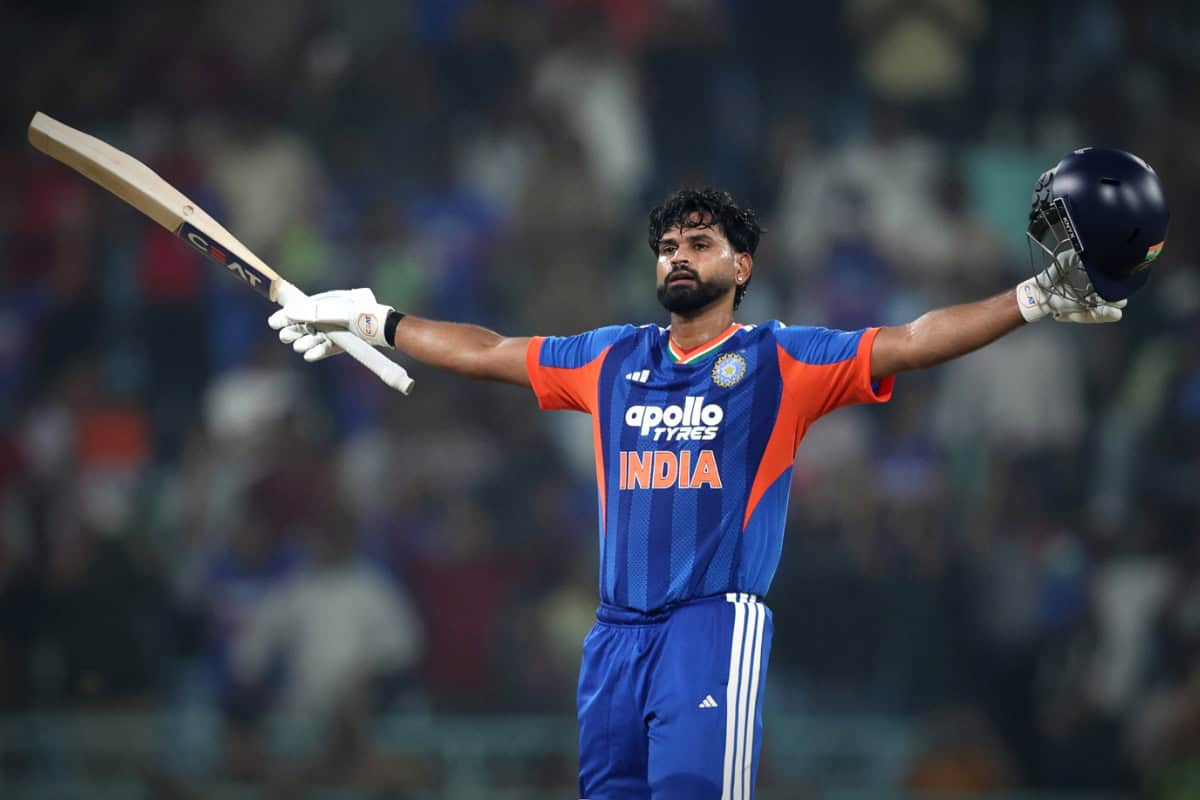
Abhishek Sharma turned a high-pressure evening into a record-breaking showcase in Indore, powering India with an 18-ball fifty against West Indies in the third T20I. The left-hander did not just accelerate the innings; he rewrote a key record, going past the marks set by Virat Kohli and Sanju Samson in one of the most explosive innings by an Indian in the format.
A blazing start that changed the tone
India chose to bat first, and Abhishek made the opening overs look unusually small. He attacked from the start, kept the fielding side under constant pressure, and reached his half-century in just 18 balls. That effort made him the fastest Indian to score a T20I fifty against West Indies, a record that had stood at 22 balls through Kohli and Samson.
The innings had a clear message: Abhishek is no longer only a promising young batter. He is beginning to shape important moments on the international stage, and he is doing it with the kind of fearless tempo that can swing matches within a few overs.
Breaking the record books
The milestone was more than a single flash of aggression. It pushed Abhishek into several record conversations, including India’s fastest T20I fifties and some of the most notable scores in the rivalry against West Indies. His name now sits above some of the biggest modern hitters in the game, which only adds weight to the innings.
For context, the previous best for India against West Indies had belonged to Sanju Samson and Virat Kohli, each of whom reached the landmark in 22 balls. Abhishek shaved off four deliveries from that mark, making the chase look even more dramatic in a format where every ball can alter the game’s shape.
Fastest T20I fifties by an Indian vs West Indies
| Player | Balls | Venue | Year |
|---|---|---|---|
| Abhishek Sharma | 18 | Indore | 2026 |
| Virat Kohli | 22 | Multiple | 2019 |
| Sanju Samson | 22 | Ranchi | 2026 |
| Rohit Sharma | 22 | Lauderhill | 2016 |
That table tells the story clearly. Abhishek did not just join the list; he leapfrogged it with authority. For a batter often praised for clean striking and natural timing, this was the night when raw intent met statistical proof.
Why this innings matters for India
India have long searched for reliable fast starts in T20 cricket, and innings like this are exactly why Abhishek keeps getting attention. In modern T20s, a quick fifty from the top order can flatten the opposition’s plan before the middle overs even begin.
As one team analyst insight would suggest, “In T20 cricket, a batter who can break the game open inside the powerplay changes everything for the rest of the lineup.” Abhishek’s knock fit that idea perfectly. It gave India momentum, forced West Indies onto the back foot, and set a tone that the opposition had to chase for the rest of the innings.
How the record compares with other quick-fire knocks
The achievement also stands out because the T20I format is crowded with elite hitters and quick-scoring specialists. Yet only a handful of batters have reached the 50-run mark faster than Abhishek did in Indore. The feat underlines both his confidence and his ability to convert starts into match-defining bursts.
Notable rapid T20I fifties mentioned in the data
| Player | Balls | Team |
|---|---|---|
| Quinton de Kock | 15 | South Africa |
| Tim David | 16 | Australia |
| David Warner | 18 | Australia |
| Colin Munro | 18 | New Zealand |
| Abhishek Sharma | 18 | India |
Being grouped alongside hitters like David Warner and Colin Munro reflects the scale of the innings. More importantly, it shows how quickly Abhishek is growing into a batter who can influence elite-level games in a matter of minutes.
A statement innings in a growing T20 career
What makes the knock especially impressive is the timing. Records matter, but they matter even more when they come in a live contest with pressure, expectation, and momentum all in play. Abhishek delivered in all three areas.
The young batter’s rise has been built on fearless intent, but this innings offered a sharper layer: control. He did not appear rushed, even while attacking relentlessly. That balance is often what separates an eye-catching cameo from a truly memorable T20 innings.
Whether India are searching for a powerplay destroyer or a batter who can turn field placements into scoring gaps, Abhishek’s latest performance strengthens the argument that he belongs at the center of their future T20 plans. On a night when records fell quickly, he was the one setting the pace.
And in a format where reputations can change in a single innings, that kind of statement may prove just as valuable as the numbers themselves.