Now Reading: BCCI Faces Sponsorship Dilemma Ahead of Home Season
-
01
BCCI Faces Sponsorship Dilemma Ahead of Home Season

BCCI Faces Sponsorship Dilemma Ahead of Home Season

BCCI’s Unexpected Roadblock in Title Sponsorship
The Board of Control for Cricket in India (BCCI) is grappling with an unexpected challenge as it seeks a new title sponsor for the upcoming home season. With a massive cricketing fanbase in India, the market’s potential seems promising. Yet, the official tender deadline has passed without attracting any bids that meet the board’s financial expectations. What could be causing this corporate hesitation?
Price Hike Creates Reluctance
Central to this issue is the BCCI’s decision to implement a substantial 15.5% price hike per match. The increase raised the cost from ₹4.2 crore to ₹4.85 crore for each game. As a result, potential sponsors are now cautious about committing under the new financial terms and the shortened contract duration.
Ongoing Negotiations with Brands
The BCCI is currently in discussions with several notable brands including Google Gemini, Spinny, and SBI Life. Companies are weighing whether the increased per-match cost will provide a sufficient return on investment compared to the previous sponsorship cycle.
Timeline and Current Landscape
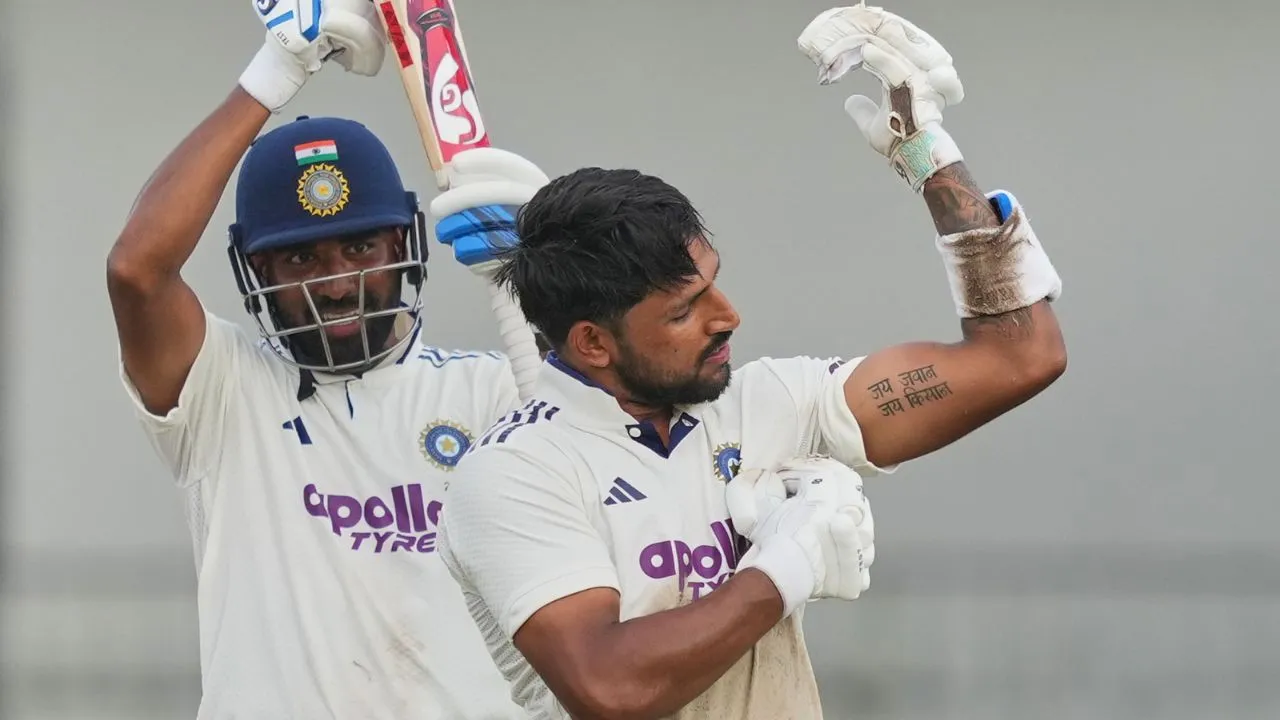
Fortunately, the BCCI is not facing an immediate crisis. With the home international calendar kicking off on September 27 for the West Indies tour, the board has ample time to secure a lucrative agreement without hastily compromising the deal.
Contract Comparisons Raise Red Flags
A deeper look into the details reveals the hesitance from corporate partners. The outgoing agreement with IDFC First Bank spanned three years, covering 55 matches and generating a total contract value of ₹231 crore. In contrast, the new proposed bid involves a truncated two-year term covering just 35 matches. This significantly limits brand presence and reduces long-term engagement opportunities.
| Details | Outgoing Deal (IDFC First Bank) | New Tender Offer |
|---|---|---|
| Contract Duration | 3 Years | 2 Years |
| Total Matches | 55 | 35 |
| Total Contract Value | ₹231 Crore | ₹171 Crore |
The escalating cost per match combined with a shorter overall contract value leads many major brands to question the value of the new sponsorship opportunity, dampening enthusiasm for a partnership.
Market Trends and Corporate Scrutiny
This lack of aggressive bidding signals a growing wave of corporate realism in the world of sports sponsorship. In a cricket-crazed nation like India, brands are increasingly scrutinizing rights fees against measurable marketing returns rather than simply acquiescing to inflated board demands.
BCCI’s Leverage and Future Outlook
Despite the challenges, the BCCI possesses substantial negotiation power given Indian cricket’s unparalleled viewership statistics. With over a month remaining before the West Indies series commences, it’s expected that private negotiations may lead to a mutually beneficial agreement addressing both the board’s revenue goals and corporate budget constraints.
The stakes are high, and all eyes will be on how the BCCI navigates these negotiations and whether it can find a title sponsor that matches its aspirations.