
Now Reading: BCCI Makes Double Change Ahead of West Indies Series
-
01
BCCI Makes Double Change Ahead of West Indies Series


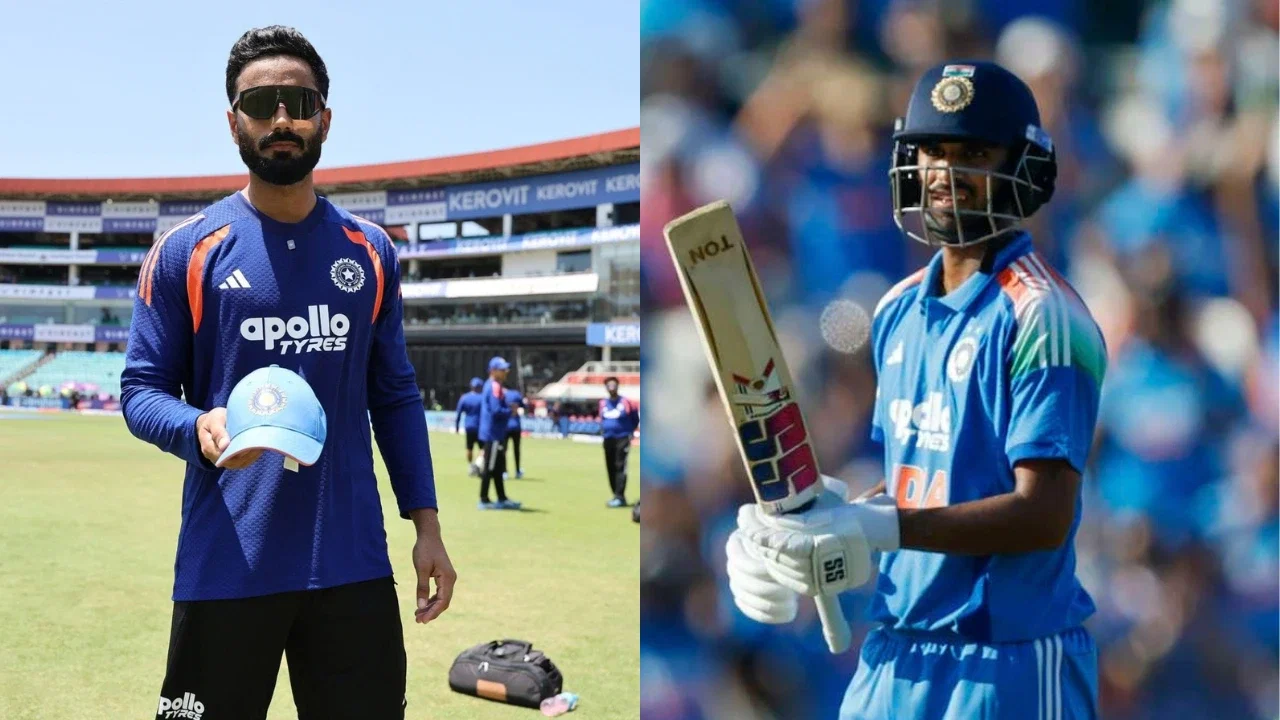
The BCCI has made two notable squad changes during India’s ongoing home series against the West Indies, underlining how quickly workload, form and fitness can reshape selection plans. Washington Sundar has been withdrawn from the T20I squad, while Prasidh Krishna has been ruled out of the third ODI after picking up a hamstring injury in Guwahati.
The changes arrive at a crucial point in the tour, with India balancing short-format results against bigger red-ball priorities. For the selectors, the message is clear: no player is being left to drift through a packed calendar when the next major assignment is already waiting in the background.
Sundar Pulled Out to Prepare for Test Cricket
Washington Sundar’s removal from the T20I squad is directly linked to India’s upcoming Test series against New Zealand. The BCCI has asked him to return to domestic cricket, where he can gain valuable red-ball match practice ahead of the Ranji Trophy season.
The move makes sense from a workload and preparation standpoint. With the Ranji Trophy scheduled to begin on October 11, Sundar now has a clear runway to build rhythm in the longer format before the Test challenge arrives.
A board source-style explanation would frame the decision as a classic example of format planning. As the schedule tightens, the emphasis shifts from simply keeping players active to ensuring they are in the right kind of rhythm for the next task.
Why the BCCI chose the longer format route
India have increasingly managed key players across formats rather than allowing uninterrupted participation in every leg of a multi-format series. In this case, Sundar’s skill set is particularly valuable in Tests, where control, stamina and the ability to bowl long spells matter more than a brief T20I run.
The decision also suggests the team management is looking beyond immediate selection convenience. Red-ball preparation cannot be manufactured overnight, and the BCCI appears to believe domestic cricket is the best place for Sundar to sharpen those skills.
“The idea is not just to keep players busy. It is to keep them ready for the format that matters next,” a team-side perspective would neatly sum up the call.
Prasidh Krishna’s Injury Opens Door for Anshul Kamboj
While Sundar’s move was planned, Prasidh Krishna’s exit from the third ODI was forced by injury. The pacer sustained a left hamstring issue during the second ODI in Guwahati, leaving selectors with little choice but to bring in cover for the series decider in Chandigarh.
Anshul Kamboj has been called up as his replacement, adding a fresh name to the mix at a decisive stage of the ODI leg. The injury is a setback for Prasidh, who had been part of India’s pace options in a series where every game has carried significance.
For India, the immediate concern is whether the seam attack can maintain balance without losing penetration. Hamstring injuries are especially tricky for fast bowlers, often demanding caution even when the pain seems manageable.
What the updated ODI squad looks like
The revised ODI group is led by Shubman Gill and includes several marquee names. Rohit Sharma, Virat Kohli, Yashasvi Jaiswal and KL Rahul remain part of the 15-member squad, alongside the replacements and the rest of the core group.
| Update | Player | Reason |
|---|---|---|
| T20I squad change | Washington Sundar out | Returned for Ranji Trophy and Test prep |
| T20I replacement | Naman Dhir in | Added to revised 15-member group |
| ODI squad change | Prasidh Krishna out | Left hamstring injury in Guwahati |
| ODI replacement | Anshul Kamboj in | Called up for third ODI in Chandigarh |
One notable detail is that Naman Dhir now features in both the updated ODI and T20I squads, making him one of the prominent new faces of the West Indies tour. That kind of dual inclusion often points to increasing confidence from selectors and management alike.
India’s Bigger Balancing Act
The West Indies tour, which runs from September 27 to October 17, has already highlighted how modern international cricket demands constant adjustment. A series that includes three ODIs and five T20Is can quickly become a logistical test, especially when Test cricket sits just around the corner.
India’s handling of Sundar and Prasidh reflects two separate realities. One is strategic rotation for a player needed in a different format. The other is injury management, where replacement becomes essential rather than optional.
In practical terms, the BCCI has shown that squad stability now comes with an asterisk. Players can be drafted in, pulled out or rotated based on the next assignment, and the emphasis on long-term readiness is often stronger than the desire for continuity in a single series.
“Modern selection is no longer just about the next match. It is about the next month,” is how the broader trend around these changes can be understood.
What to Watch Next
All eyes will now be on how India respond in the third ODI and on how the revised T20I squad settles once the shorter-format leg begins in earnest. For Sundar, the path is now pointed toward red-ball cricket and Test preparation. For Prasidh, recovery will determine how quickly he can return to contention.
For the selectors, the challenge is familiar: keep the squad fresh, protect fast bowlers, and make sure format specialists are ready when their strongest skills are needed most. This double change may not be dramatic on paper, but it is a sharp reminder of how much planning goes into every India tour.