
Now Reading: Daren Sammy Calls India Tour a Crucial Reality Check for West Indies
-
01
Daren Sammy Calls India Tour a Crucial Reality Check for West Indies



The West Indies may have lost the series, but head coach Daren Sammy believes the India tour has offered something far more valuable than a result on paper: a clear mirror of where his side stands in ODI cricket. With World Cup 2027 qualification in view and financial uncertainty hovering around the setup, Sammy said the matches have helped define both the gaps and the gains.
A tour that exposed the truth
Facing India away from home is never a simple assignment, and Sammy made it clear that this series has forced an honest assessment. The batting unit has shown enough to compete on helpful surfaces, but the bowling attack has been stretched on flat tracks that have favoured high-scoring cricket.
“I thought it has been a good gauge as to where we are in the context of ODI cricket,” Sammy said, underlining that the challenge was not just about winning matches, but understanding the standard required to challenge elite teams. He added that the contest has been “a big, big mirror” for a side still trying to steady itself in a changing financial and competitive landscape.
Financial pressure has added to the challenge
The tour has come at a difficult time for West Indies cricket. Cricket West Indies recently announced a 25 per cent reduction in retainer fees for international players as part of a broader financial overhaul, a move the board described as “not ideal, but necessary.”
Sammy acknowledged the pressure without hiding from it. “If you have a business that is not doing well financially, you have to find ways to sustain it,” he said, stressing that there is no quick fix and no “Abracadabra” solution that will instantly solve the deeper issues.
For a squad already dealing with inconsistency and a tough international schedule, the message has been clear: performance remains the only currency that can keep the team moving forward.
Batting bright spots, bowling concerns
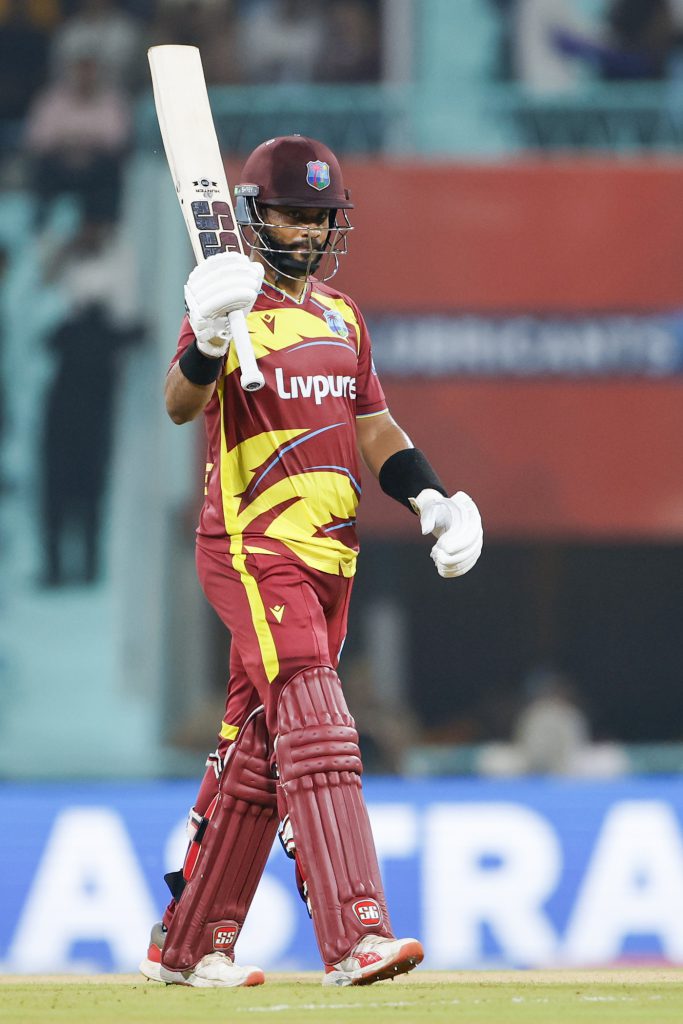
There have been positives in the West Indies batting approach, particularly in how they have handled India’s attack at times. Shai Hope has stood out with the bat, while the unit as a whole has shown intent and improved rotation of strike.
Still, Sammy believes the team has missed chances to turn promising starts into truly match-defining totals. He pointed to the Guwahati ODI, where West Indies were cruising at 329 for 3 after 40 overs but eventually finished on 405 for 7.
“When you find yourself in a good position on a good pitch, at 30 overs you should be able to double the score,” Sammy said. “At 30 overs we were 230-odd, so you were looking at 450 or above, but the last 10 overs we only scored 70-odd runs.”
Turning starts into massive totals
The West Indies coach believes the team must learn to keep pressing even when conditions are in their favour. On a surface where India’s batters piled on the pressure, Sammy argued there was little excuse for settling when bigger totals were available.
He said the side needs to keep improving the key batting indicators: strike rotation, intent, and consistency against spin. But more importantly, he wants the team to push beyond 400 when the game demands it. “If the surface dictates that you need 450, then I guess we’ve got to get 475,” he said, summing up the aggressive mindset he wants from his players.
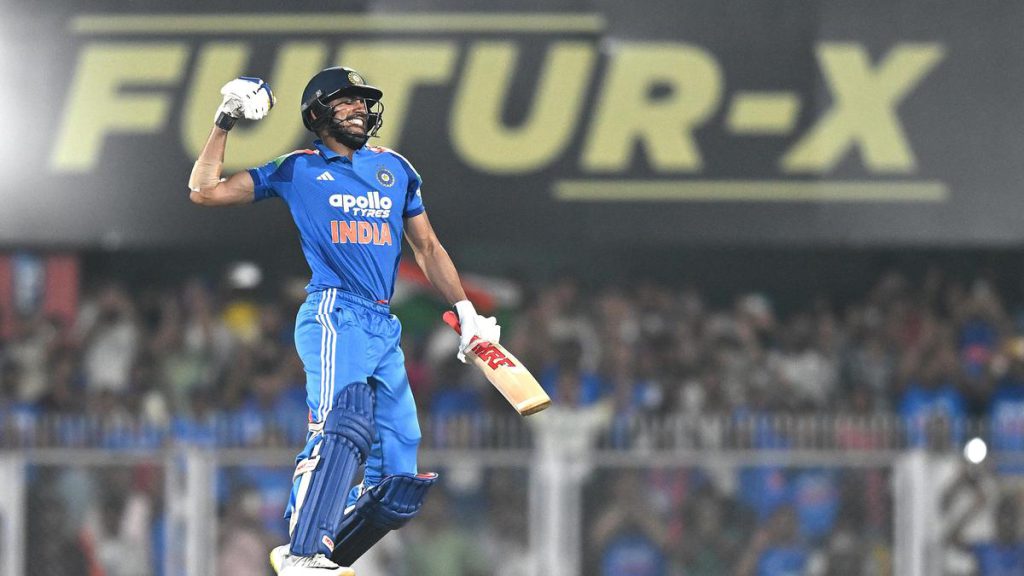
That message is especially important in a series where India’s top order has dominated. Sammy praised Shubman Gill and Rohit Sharma, saying they “didn’t really give a chance” to his bowlers.
Bowling lessons against India
While the batting has shown flashes of promise, the bowling has struggled to contain India’s line-up. Sammy accepted that the conditions have not always worked in the bowlers’ favour, but he also insisted that discipline and consistency must improve if West Indies are to become a stronger ODI unit.
“We need to continue to try to find ways to put the Indian batting under pressure by being a little bit more disciplined and consistent in our lines and lengths,” he said. The bowlers, he added, may also have been unlucky not to bowl first on surfaces where reverse swing or drier conditions could have created more opportunities.
Still, Sammy was not looking for excuses. Instead, he framed the series as a standard-setting exercise against the No. 1-ranked team in the world.
| Key West Indies ODI markers | Data |
|---|---|
| Home ODI series wins from 2014 to 2023 | 4 |
| Home ODI series wins in 2024-2025 | 3 |
| Last ODI series win in India | 2002 |
| Last full-member away win outside home | 2019 vs Afghanistan |
Home growth, away struggles
Sammy, who took over as head coach in April last year, said West Indies have made genuine progress at home. After winning only four home ODI series across a nearly 10-year stretch from 2014 to 2023, they have now won three straight home series between 2024 and 2025.
That improvement has helped create belief, but the away record remains the major concern. West Indies have not beaten India in India since 2002 and have struggled to beat full-member teams outside home for several years, with their last such victory coming against Afghanistan in India in 2019.
For Sammy, that contrast tells the story. At home, West Indies can compete. Away from home, especially against top-ranked opposition, they still need to find a higher gear.
World Cup 2027 remains the bigger picture
The immediate series result matters, but the larger goal is clear: building a stronger ODI identity ahead of World Cup 2027. Sammy believes the India tour has shown exactly what the team must do to get there.
“Every game against India is a massive event,” he said, pointing to the importance of testing the squad against elite opposition. The hope now is that the lessons from a tough series will translate into sharper execution, better bowling discipline, and more ruthless batting in future contests.
For West Indies, the numbers may be uncomfortable, but the message is useful. This tour has not just been about surviving India’s firepower. It has been about measuring the distance that still separates potential from consistency, and ambition from results.