
Now Reading: India and Pakistan drawn together for 2027 ODI World Cup
-
01
India and Pakistan drawn together for 2027 ODI World Cup

India and Pakistan drawn together for 2027 ODI World Cup

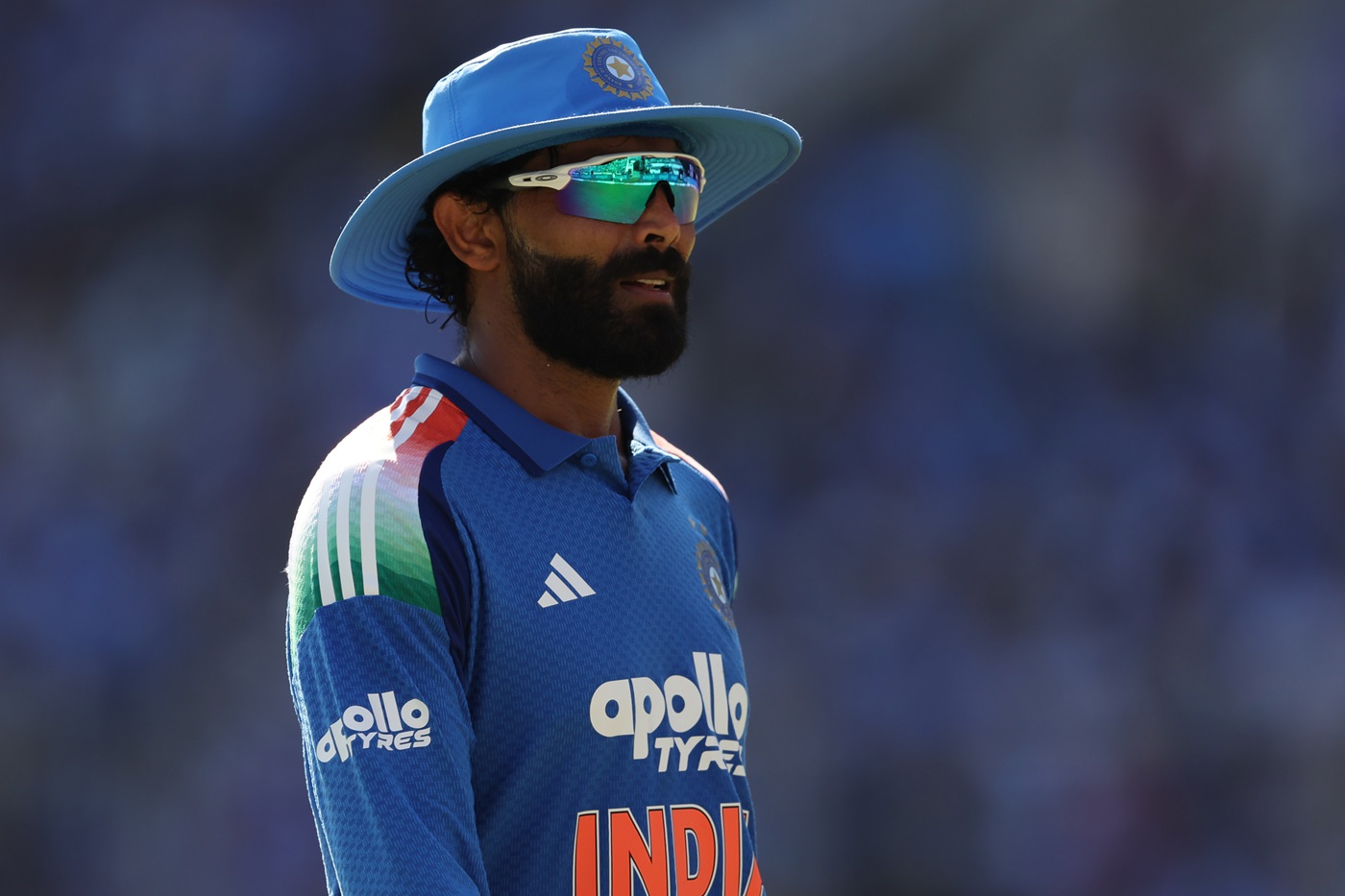
India and Pakistan will renew cricket’s fiercest rivalry sooner than many fans expected at the 2027 ODI World Cup. The two sides have been drawn in the same group, guaranteeing an early headline clash and potentially opening the door to multiple meetings across the tournament.
With the match scheduled for October 10 in Johannesburg, the showdown arrives as just the second game of India’s campaign and one of the biggest fixtures of the group stage. For a World Cup that already stretches across South Africa, Zimbabwe and Namibia, this meeting instantly becomes one of the event’s defining moments.
India and Pakistan in the same group
The draw has placed both teams in Group A, with India seeded as A1 and Pakistan as A3. Those seedings were determined by the ICC ODI Rankings as they stood on September 30, 2026, shaping not only the group composition but also the possible pathways deeper into the event.
The 2027 ODI World Cup will feature 12 teams split into two groups of six. The top three from each group, along with the best fourth-placed side, will advance to the Super 7 round, keeping the qualification race alive well beyond the group phase.
That format also means India and Pakistan could cross paths more than once. If both teams progress as expected, the rivalry could return in the Super 7 stage before the knockout rounds raise the stakes even further.
Why the fixture matters early
For India, the Pakistan match arrives immediately after a high-profile opener against Australia in Cape Town on October 7. Three days later, they head to Johannesburg for the fixture that will likely dominate headlines across the cricket world.
Pakistan’s schedule is just as demanding. They begin against Afghanistan in Tshwane on October 8, before turning quickly to the clash with India two days later. The compressed schedule ensures the pressure will be intense from the very start.
As one tournament observer put it, “When India and Pakistan are in the same group, the World Cup calendar changes instantly. Every other fixture starts living in the shadow of that one game.”
Full group-stage schedule for both teams
India’s five group matches are all listed for 1:30 PM starts. After the Australia and Pakistan games, they face Afghanistan in Centurion on October 14, a Qualifier A side in Bloemfontein on October 17, and co-hosts Zimbabwe in Victoria Falls on October 24.
Pakistan, meanwhile, continue through a challenging route of their own. After Afghanistan and India, they meet a Qualifier A side in Bloemfontein on October 15, travel to Harare for Zimbabwe on October 19, and close the group stage against Australia in Paarl on October 22.
| Team | Key Group Match | Date | Venue |
|---|---|---|---|
| India | vs Pakistan | October 10 | Johannesburg |
| India | vs Australia | October 7 | Cape Town |
| India | vs Zimbabwe | October 24 | Victoria Falls |
| Pakistan | vs India | October 10 | Johannesburg |
| Pakistan | vs Afghanistan | October 8 | Tshwane |
| Pakistan | vs Australia | October 22 | Paarl |
How many times can the rivals meet?
There is real potential for more than one India-Pakistan contest. The first is locked in for the group stage on October 10. If both teams qualify for the Super 7, they could meet again on November 7 in Cape Town.
A third meeting is also possible in the knockout rounds, including the semifinals or the final. The semifinals are scheduled for November 17 and 18, while the title match will take place on November 21 at the Wanderers in Johannesburg.
However, the tournament structure limits the rivalry to a maximum of three meetings. Since a team eliminated in the semifinal cannot move on, the two sides cannot clash in both semifinal slots. In other words, three is the ceiling, but even two would be enough to electrify the tournament.
A World Cup built for pressure
This new format adds an extra layer of drama to an already heavyweight event. With the Super 7 stage rewarding consistency and the knockout rounds leaving no room for error, the path to the final is designed to test every contender.
For India and Pakistan, though, the conversation will keep circling back to October 10. The group-stage date is now one of the most anticipated fixtures in world cricket, with fans already eyeing the possibility of a rematch later in the tournament.
The schedule is set, the groups are drawn, and the stage is ready. Now the only question is how far these two giants will go—and how many times the sport’s biggest rivalry will be allowed to unfold.