
Now Reading: India’s 406 Chase Rises to Second in ODI History
-
01
India’s 406 Chase Rises to Second in ODI History


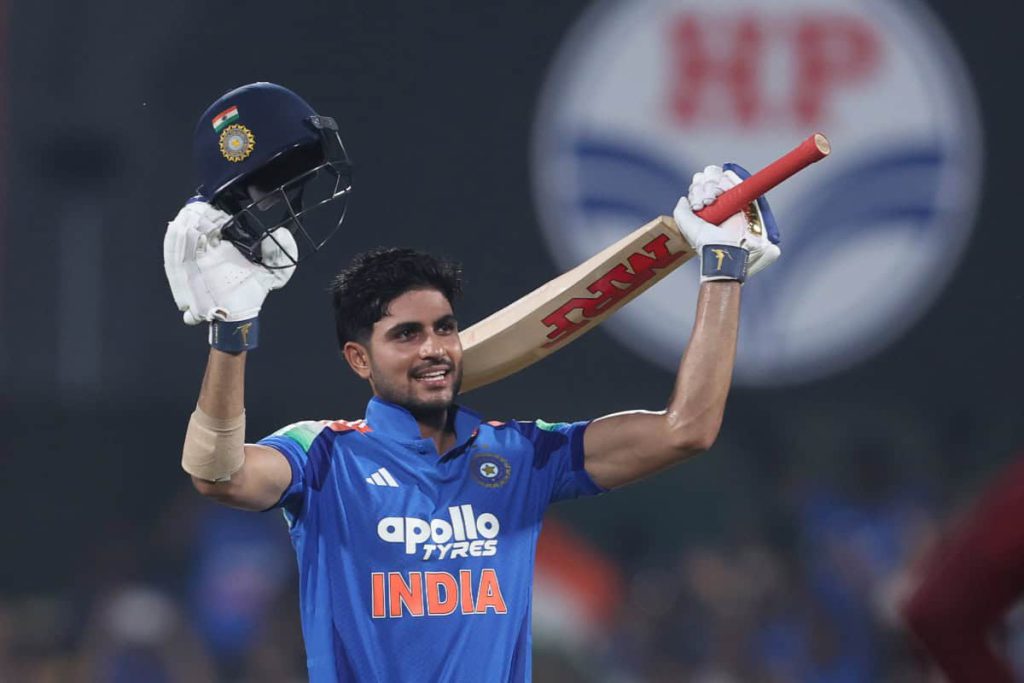
India produced a historic chase in Guwahati, reeling in 406 against West Indies in the second ODI of the 2026 series and finishing with 39 balls to spare. In CricStats’ own database, that result now stands as the second-highest successful run chase in ODI history, a number that instantly puts the match into elite company.
A chase that changes the ODI conversation
Run chases above 400 have always carried a sense of disbelief. They test batting depth, tempo, and nerve in equal measure, and only a handful of teams have ever crossed that line successfully.
India’s eight-wicket win over West Indies did more than level a contest. It added a new chapter to ODI scoring history, one built on a target once considered close to untouchable in the format.
Second place on an all-time list
According to CricStats’ scorecard database, India’s 406 chase is now the 2nd-highest successful run chase in ODI history. It sits behind only South Africa’s extraordinary 438 against Australia in Johannesburg in 2006.
That ranking matters because it is not just a big chase in isolation; it is one of the defining chase totals ever completed in men’s ODIs. It pushes India into rare statistical territory and places the Guwahati result among the most remarkable run-chase achievements the format has seen.
| Rank | Target Chased | Team | Opponent | Match |
|---|---|---|---|---|
| 1 | 438 | South Africa | Australia | Johannesburg, 2006 |
| 2 | 406 | India | West Indies | Guwahati, 2026 |
| 3 | 372 | South Africa | Australia | 2016 |
| 4 | 364 | England | West Indies | 2019 |
| 5 | 362 | India | Australia | 2013 |
How the top 10 now shapes up
The broader top 10 tells the story of how rare these totals remain, even in an era of high-scoring white-ball cricket. India’s chase now sits above other famous marks, including England’s 364 against West Indies and India’s own 362 against Australia in 2013.
South Africa appears multiple times in the list, underlining how often the sport’s most extreme chase totals have featured in matches involving aggressive batting and shifting momentum. India, meanwhile, now have a place near the top with one of the most imposing pursuits in ODI history.
| Top 10 Highest Successful ODI Chases | Score |
|---|---|
| South Africa vs Australia, 2006 | 438 |
| India vs West Indies, 2026 | 406 |
| South Africa vs Australia, 2016 | 372 |
| West Indies vs England, 2019 | 364 |
| India vs Australia, 2013 | 362 |
| India vs South Africa, 2025 | 362 |
| India vs Australia, 2019 | 359 |
| England vs Pakistan, 2019 | 359 |
| Bermuda vs Uganda, 2009 | 356 |
| India vs England, 2017 | 356 |
What makes this chase stand out
The margin of victory adds to the scale of the achievement. Winning by eight wickets with 39 balls remaining suggests control, not just survival, in a chase that began with a massive target and ended with clear authority.
That combination of a huge target and a comfortable finish is what lifts the result beyond a simple high-scoring chase. It becomes a benchmark, a reference point for future ODI performances, and a number that will be revisited whenever conversations turn to the format’s biggest run pursuits.
A milestone that will sit in the record books
CricStats tracks the game through its own international scorecard database, and this match now holds a clear place near the summit of one of ODI cricket’s most eye-catching statistical categories. While South Africa’s 438 remains untouched at the top, India’s 406 has firmly established itself as the second-highest successful chase ever completed in the format.
As ODI cricket continues to evolve, totals like this remind fans that even the biggest targets can fall when batting depth, intent, and execution come together. Guwahati will now be remembered not just for a win, but for a chase that rewrote the shape of the ODI leaderboard.