
Now Reading: Rizwan Seeks ICC Clarity After Phone Seizure
-
01
Rizwan Seeks ICC Clarity After Phone Seizure

Rizwan Seeks ICC Clarity After Phone Seizure

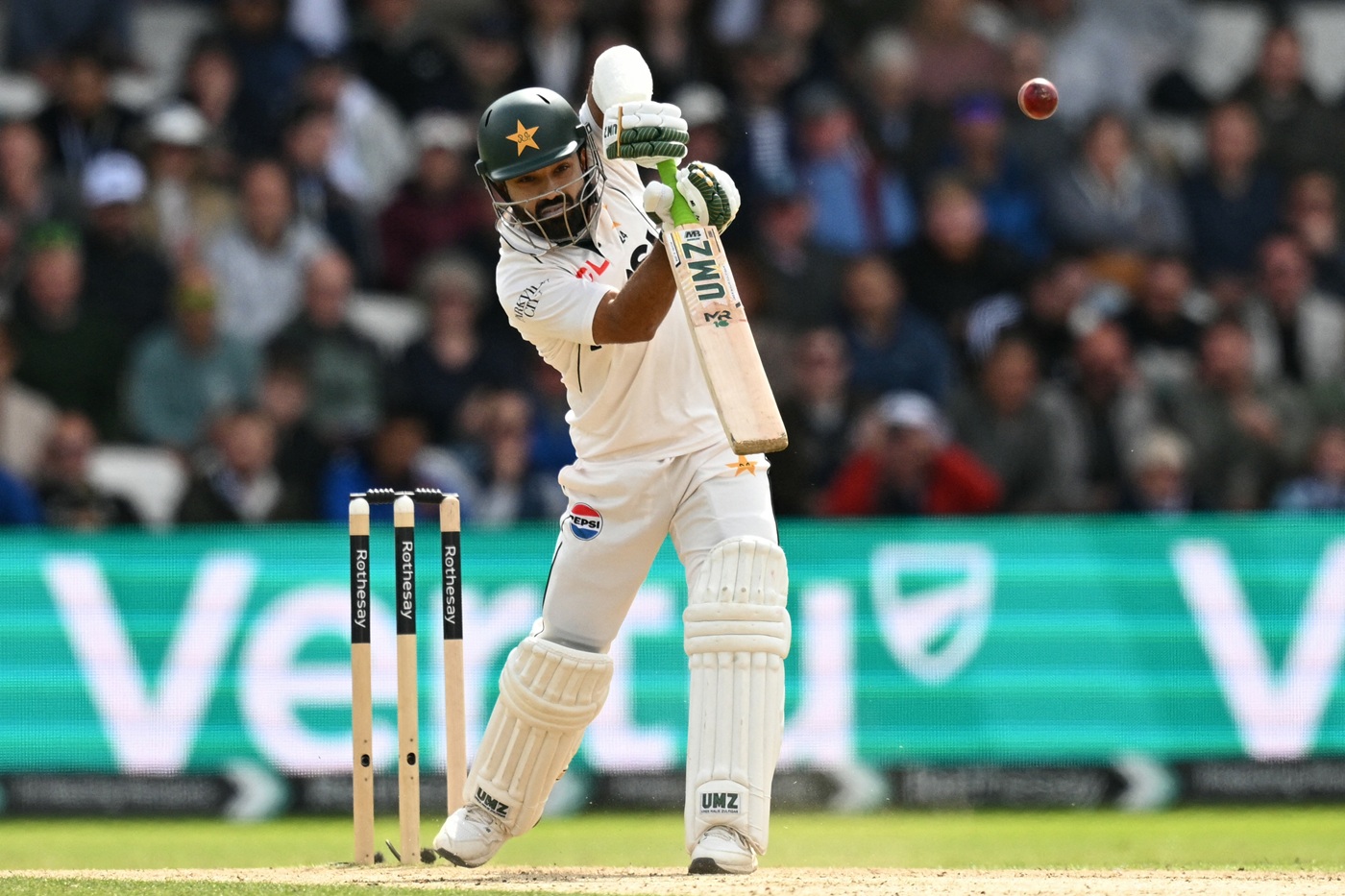
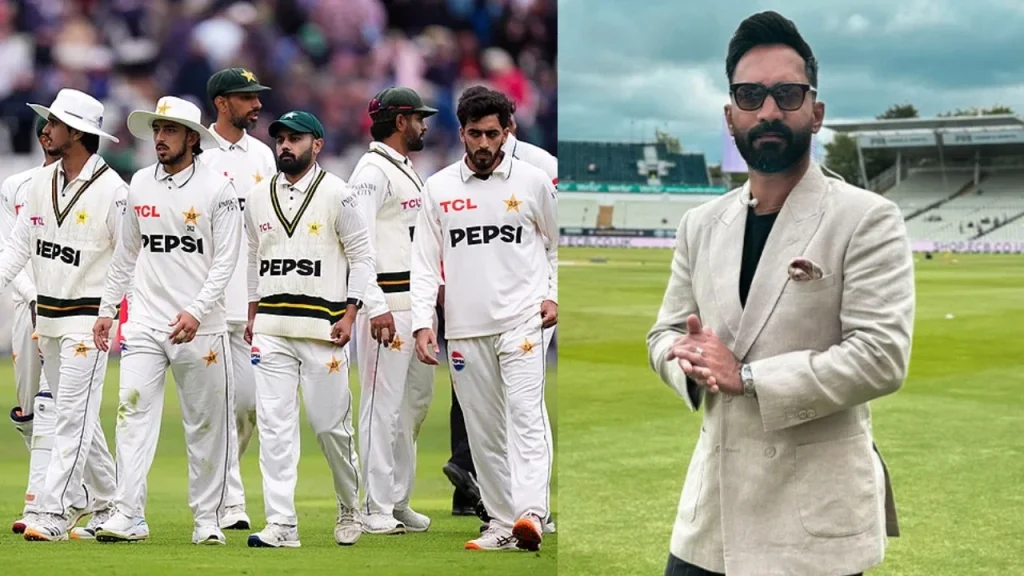
Mohammad Rizwan has taken his next legal step in a fast-moving and increasingly complicated probe, approaching the ICC’s Anti-Corruption Unit for clarity after his mobile phone was seized by Pakistan’s National Cyber Crime Investigation Agency (NCCIA). The move comes just days after the Lahore High Court dismissed his petition against the notices served on him, leaving the Pakistan wicketkeeper-batter in a cloud of uncertainty.
Rizwan seeks answers from ICC anti-corruption officials
According to reports, Rizwan filed an online request through the ICC ACU portal, asking whether the ICC or the England and Wales Cricket Board had any knowledge of, or involvement in, the phone seizure during Pakistan’s tour of England. The inquiry was not presented as a formal complaint against any person or institution, but rather as a bid to understand the process that led to the confiscation of his device.
Rizwan is also said to have asked whether requesting his phone in England, shipping it to Pakistan and then conducting a forensic examination would be consistent with the ICC’s Anti-Corruption Code. More importantly for the player, he has sought guidance on what is expected of him next, as the matter appears to sit between domestic law-enforcement action and cricket’s global anti-corruption framework.
A procedural dispute, not a verdict
The development does not amount to an admission of wrongdoing. So far, no public findings have been announced against Rizwan, and the investigation remains ongoing. But the case has become a discussion about jurisdiction, procedure and authority as much as it is about the underlying allegations.
That tension was evident in the Lahore High Court hearing. Rizwan’s lawyer, Qazi Umair Ali, told Chief Justice Aalia Neelum that the cricketer had been summoned to a hotel lobby immediately after the Lord’s Test and questioned without being formally served a notice. The legal team argued that Rizwan handed over his phone on the understanding it would be returned within three hours, something that has not happened.
What the Lahore High Court decided
Ali also challenged the NCCIA’s authority to deal with the case, arguing that any corruption-related matter involving a cricketer should fall under the ICC’s Anti-Corruption Unit. The court was not persuaded and directed Rizwan to respond to the NCCIA notice before dismissing his plea.
That ruling has effectively pushed the wicketkeeper-batter back into the investigation process while leaving several questions unanswered. For Rizwan, the key issue is no longer just the allegation, but the chain of custody around his phone and whether the steps taken by authorities followed the correct sporting and legal protocol.
| Key issue | Status |
|---|---|
| Phone seizure | Confirmed by reports |
| Lahore High Court plea | Dismissed |
| ICC ACU request | Filed online |
| Public findings | Not announced |
Why the ICC angle matters
Rizwan’s approach to the ICC’s anti-corruption body highlights a wider question: when a matter touches both domestic law enforcement and international cricket rules, who takes the lead? According to the reports, that is exactly the gap Rizwan is now trying to understand.
An observer close to the situation put the issue simply: “The player wants clarity before assumptions spread further. At this stage, procedure matters as much as the allegation.”
Another practical insight is that the dispute may not end with the court’s dismissal of the petition. If the ICC ACU responds, it could help define whether the NCCIA’s handling aligns with cricket’s anti-corruption code, or whether the matter remains solely within Pakistan’s domestic process.
Investigation remains open
The broader inquiry is reportedly linked to online betting and gambling allegations within Pakistan cricket, along with suggestions of possible leaks from inside the dressing room during the England Test series. Rizwan and fellow batter Imam-ul-Haq have already appeared before the agency in Lahore as part of the process, but no official findings have been made public against either player.
For now, the story is defined by uncertainty rather than conclusion. Rizwan is seeking clarity from cricket’s governing structures while also being asked to respond to a national agency, and that dual pressure has turned a sensitive probe into a major procedural flashpoint.
The outcome will likely matter well beyond one player’s case. It could shape how similar allegations are handled in future, especially when the line between sport, technology and law enforcement becomes blurred.