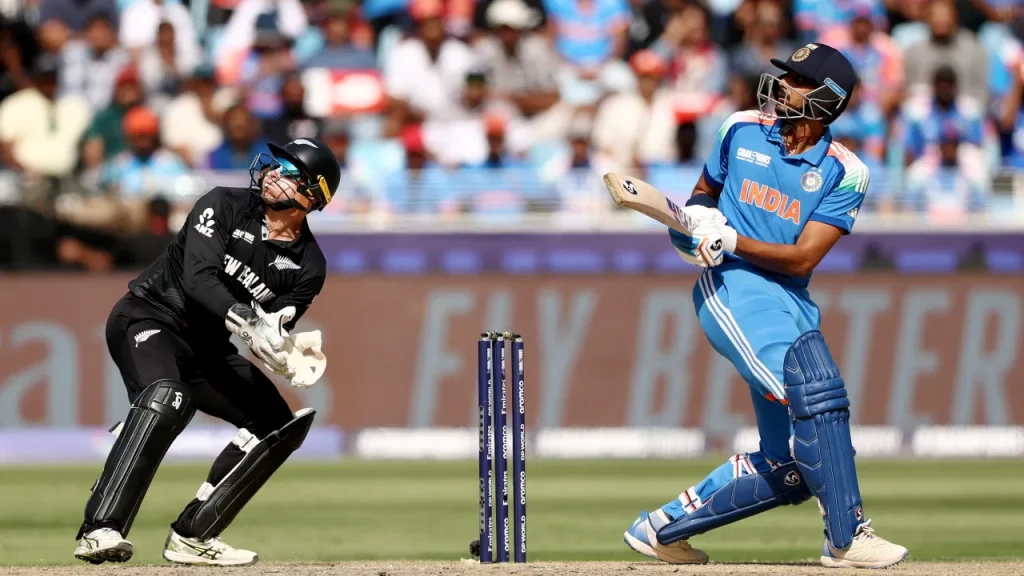
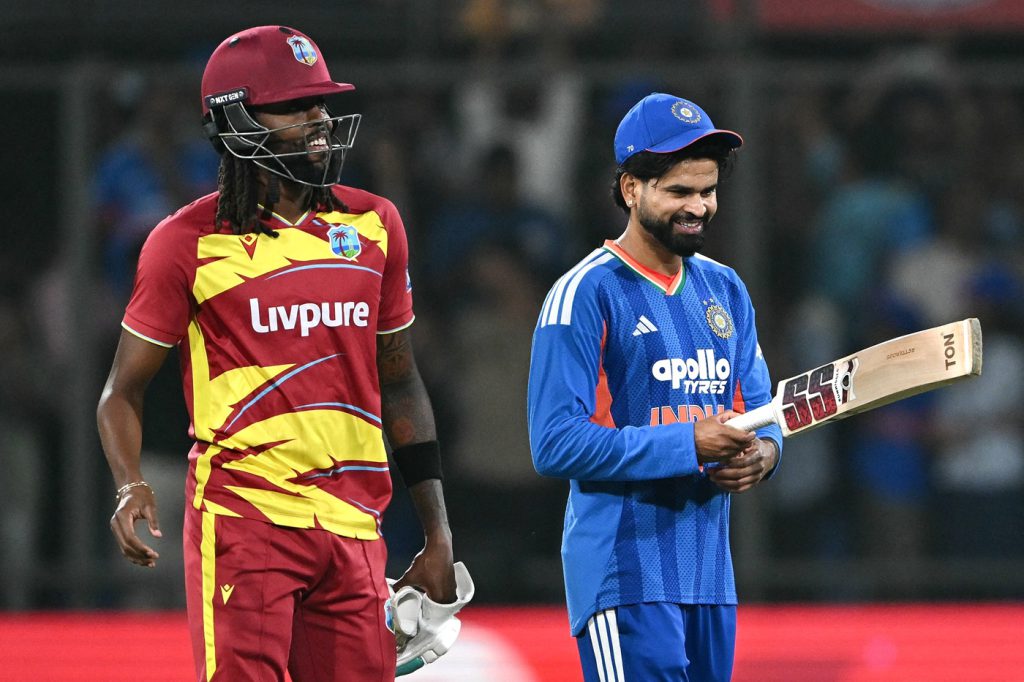
India produced a blazing total and still ended up on the wrong side of a run chase that will fuel plenty of debate. In a high-scoring second T20I at the JSCA International Stadium Complex in Ranchi on October 9, 2026, West Indies chased down 249 with surprising ease, riding on Shai Hope’s unbeaten masterclass and Sherfane Rutherford’s explosive support.
The result not only levelled the five-match series 1-1, but also reopened a sharper conversation around India’s bowling depth, game awareness, and tactical calls in pressure situations. Ravichandran Ashwin, speaking on his YouTube channel after the match, did not hold back in his assessment.
Hope and Rutherford turn the chase into a statement
West Indies needed something special after India’s massive first-innings total. They got it in the form of Shai Hope, who played one of the cleanest T20 innings of his career, finishing unbeaten on 102 off 45 deliveries. Sherfane Rutherford added 84 off 37 balls, and together the pair stitched a 120-run partnership that broke the contest open.
The visitors reached the target in 18.3 overs, a remarkable finish in a chase that would normally demand near-perfection from the batting side. Hope’s shot selection, timing, and composure under pressure gave West Indies control almost from the moment the innings settled.
For India, the chase exposed a painful truth: even a daunting score can disappear quickly when the bowling attack loses control in key phases.
India’s batting firepower was not the issue
Earlier, India had done almost everything right with the bat. Sanju Samson blasted 82 off 41 balls, while Tilak Varma hammered 44 off 18, giving India the kind of momentum that usually forces opponents into survival mode. The final total of 249 for 5 looked more than enough on a surface that invited strokeplay but still demanded discipline.
That total, however, proved insufficient. West Indies matched India’s aggression and then outlasted them with a more settled plan in the chase.
| Team | Score | Overs |
|---|---|---|
| India | 249/5 | 20 overs |
| West Indies | Chased 250 | 18.3 overs |
Ashwin questions India’s bowling depth
After the match, Ashwin’s comments moved the discussion from one bad night to a broader concern about India’s bowling pipeline. His core argument was simple: India are not producing enough bowlers with the awareness and adaptability needed for difficult conditions.
“It’s not that I’m blaming the bowlers, but we don’t have enough quality in our bowling, and we haven’t placed enough emphasis on developing it,” Ashwin said. “I really hope we spend some time grooming high-quality bowlers because bowling in such conditions requires understanding and game awareness.”
He added that the lack of defensive options remains a major concern when opposition batters seize control. For Ashwin, the issue was not just execution, but preparation and long-term development.
The Bumrah factor and the bigger worry
Ashwin also pointed to Jasprit Bumrah as an example of how rare elite defensive bowling can be. In his view, previous Indian captains benefited from having a “cheat code” in the pace spearhead, someone capable of adjusting plans, controlling scoring, and using slower balls with accuracy.
“Rohit Sharma and Suryakumar Yadav were both fortunate in a way because, as captains, they had a cheat code in the form of Jasprit Bumrah,” Ashwin said. “He can bowl defensively when required, and he also has a good variety of slower deliveries.”
The implication was clear: not every bowling unit has a bowler who can shut down a chase with pure skill and variety. India, Ashwin suggested, need to build more of that reliability into the system.
Tactical calls under the microscope
Ashwin also questioned some of the in-match decisions. He felt that Shivam Dube’s introduction immediately after the powerplay was a questionable move, especially when West Indies still had wickets in hand and momentum was starting to build. In his view, India needed a more defensive structure at that stage.
Mayank Yadav had done the early damage by striking within the first six overs and leaving West Indies at 5 for 2. That, Ashwin argued, was the moment to press the advantage with Kuldeep Yadav earlier in the attack.
“250 was a good score. I just feel India lacked a bit of defensive bowling,” he said. “Mayank Yadav picked up the first two or three wickets inside six overs, it would have been time to bring Kuldeep Yadav into the attack a little earlier.”
That one passage summed up the night for India: a strong start, a powerful total, and yet no sustained control when it mattered most.
What the result means for the series
The 1-1 scoreline now adds real weight to the remainder of the five-match series. West Indies have shown they can answer pressure with aggression, while India have been reminded that even elite batting numbers do not guarantee victory if bowling plans fracture under stress.
For fans, the game delivered everything a modern T20 expects: huge totals, fearless batting, and a chase that flipped the mood of the night. For India, though, the deeper takeaway may be the one Ashwin highlighted most directly — talent alone is not enough without a bowling structure built for tight, tactical contests.
If the next matches follow the same pattern, this series could become a genuine test of which side adapts faster. Right now, West Indies have the momentum, and India have the bigger questions.