
Now Reading: Tilak Varma’s bizarre run-out shocks India vs West Indies
-
01
Tilak Varma’s bizarre run-out shocks India vs West Indies


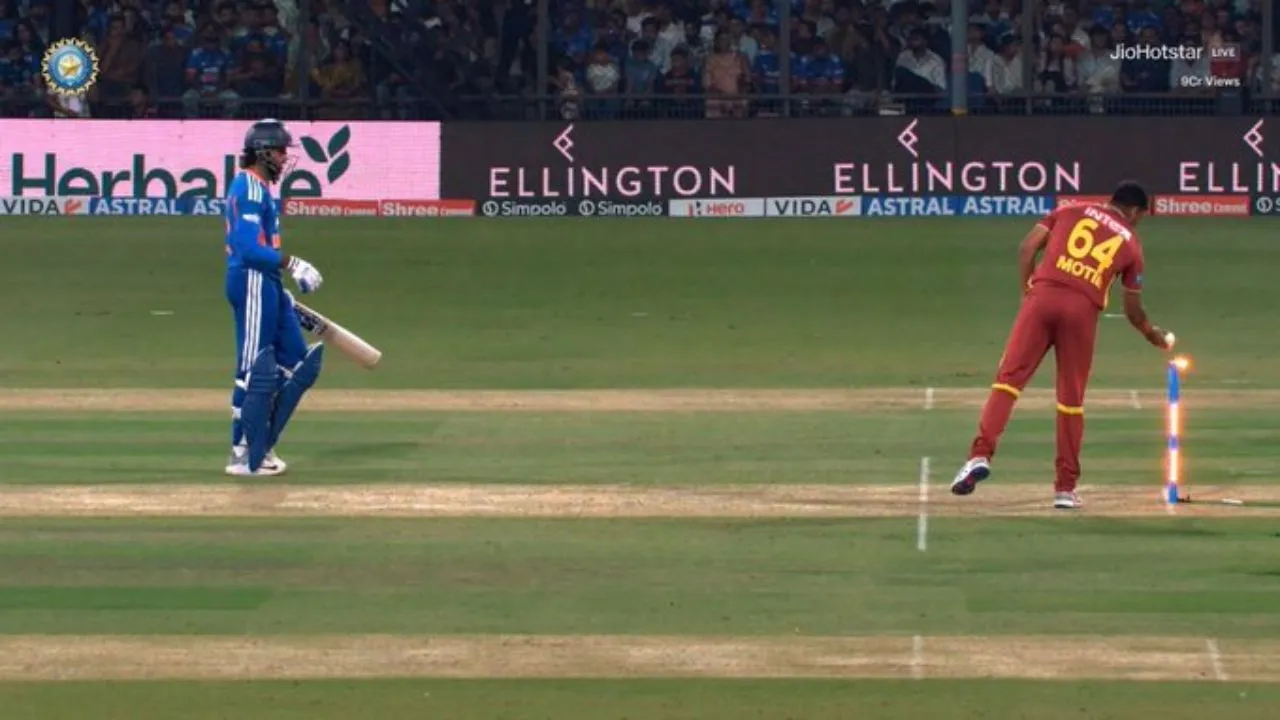
India’s third T20I against West Indies in Indore produced a moment that instantly lit up social media. Tilak Varma’s dismissal in the 17th over was not a routine wicket, but a rare and costly run-out born from a breakdown in communication, a dash of overconfidence, and a sharp piece of fielding from the visitors.
A run-out that changed the mood
The incident came at a decisive stage of India’s innings, when the team was looking to accelerate and finish with a flourish. Tilak Varma was batting with Axar Patel when a low full toss from Gudakesh Motie was worked towards the leg side, setting off what appeared to be a harmless single at first.
What followed was chaos in motion. West Indies fielder Kamil Pooran reacted brilliantly near the boundary, diving to prevent the ball from reaching the rope. But both Indian batters seemed to assume the ball had gone all the way, and the running between the wickets broke down almost instantly.
Pooran’s alertness made the difference
Rather than giving up on the play, Pooran quickly recovered and relayed the ball back into the infield. Shai Hope, the wicketkeeper, then completed the dismissal with the kind of sharp awareness that turns half-chances into wickets. Tilak Varma, caught out of his crease and unaware of the full sequence, was stranded and given out.
It was a classic case of a fielding side staying switched on while the batting pair switched off for just a moment. In T20 cricket, that is often enough to flip momentum.
One observer in the broadcast box summed it up in simple terms: “That is the sort of wicket that comes from poor judgment, not pressure from the bowler.”
Tilak’s promising innings ends abruptly
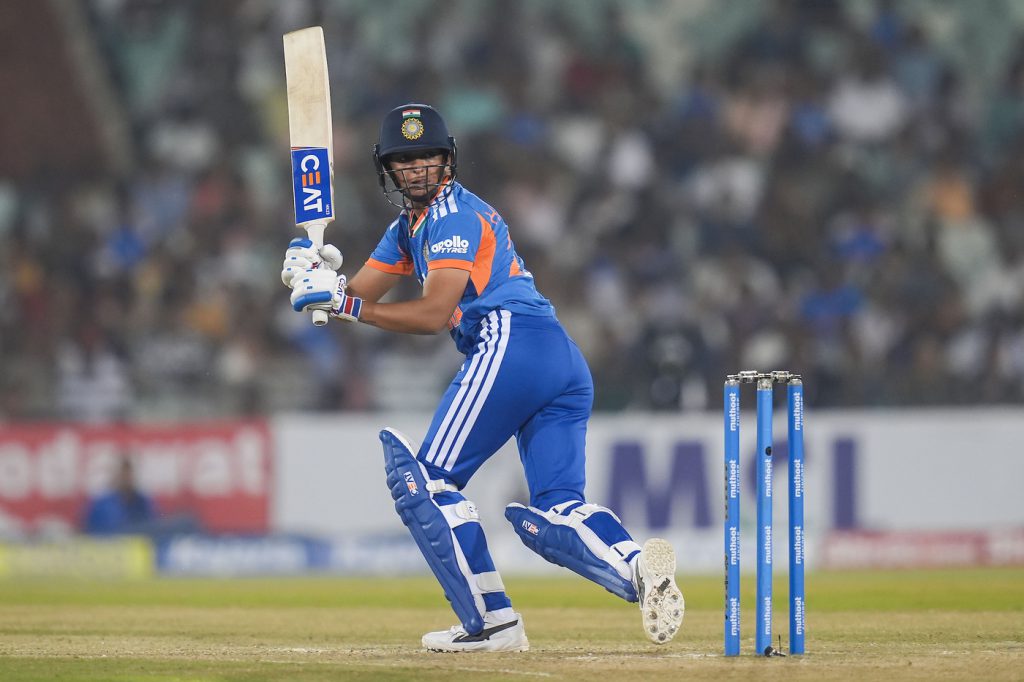
Tilak had looked in control before the mix-up, scoring 28 off 16 deliveries with four boundaries. His strike rate reflected the tempo India wanted in the final overs, especially with a strong platform already in place.
India had earlier received a brisk start and were in a position to push beyond par. Tilak’s wicket, however, stalled that push at a moment when every boundary mattered. The dismissal also drew an animated reaction from the dugout, with head coach Gautam Gambhir visibly frustrated by the lapse.
| Player | Runs | Balls | Strike Rate | Boundaries |
|---|---|---|---|---|
| Tilak Varma | 28 | 16 | 175.00 | 4 |
| India total | 223 | 20 overs | – | – |
| Result | India won by 14 runs | – | ||
Axar’s second lapse adds to the drama
The drama did not end there. Axar Patel later found himself in trouble again in the 19th over, this time falling victim to another run-out attempt. He was eventually dismissed in a similar fashion, which only deepened the sense of frustration around India’s finishing phase.
For India, the good news was that the batting collapse did not cost them the match. Even after losing rhythm late in the innings, they still posted 223 and later defended it successfully, winning by 14 runs and going 2-1 up in the series.
But the twin run-out scares exposed a detail coaches hate above all else: lapses in awareness at critical moments. The margins in T20 cricket are tiny, and Indore was a reminder that a single misunderstanding can undo several overs of hard work.
What the dismissal means in context
Tilak Varma’s run-out may not define the series, but it will be remembered as one of the oddest moments of the contest. It was not a spectacular direct hit or a desperate throw from the deep. Instead, it was a slow-burning error created by assumptions at both ends of the pitch.
For West Indies, it was a reward for persistence and alert fielding. For India, it was a warning sign in an innings that otherwise looked strong enough to set up a commanding total. As one cricket analyst noted after the dismissal, “T20 games are often decided by who stays alert for one ball longer.”
That was exactly the difference here. West Indies stayed alive. India looked away. And Tilak Varma paid the price.
Final word
In a match packed with runs, the most memorable image came from a moment of hesitation. Tilak Varma’s bizarre run-out was the kind of dismissal that players and fans do not forget easily, especially because it arrived when India were trying to turn a solid platform into a finishing burst.
West Indies may not have stopped India’s total, but they certainly created one of the defining highlights of the evening. In a fast-moving T20, that is often enough to steal the spotlight.